Seedance 2.5 4K in the API: a 480p draft, then a 4K final
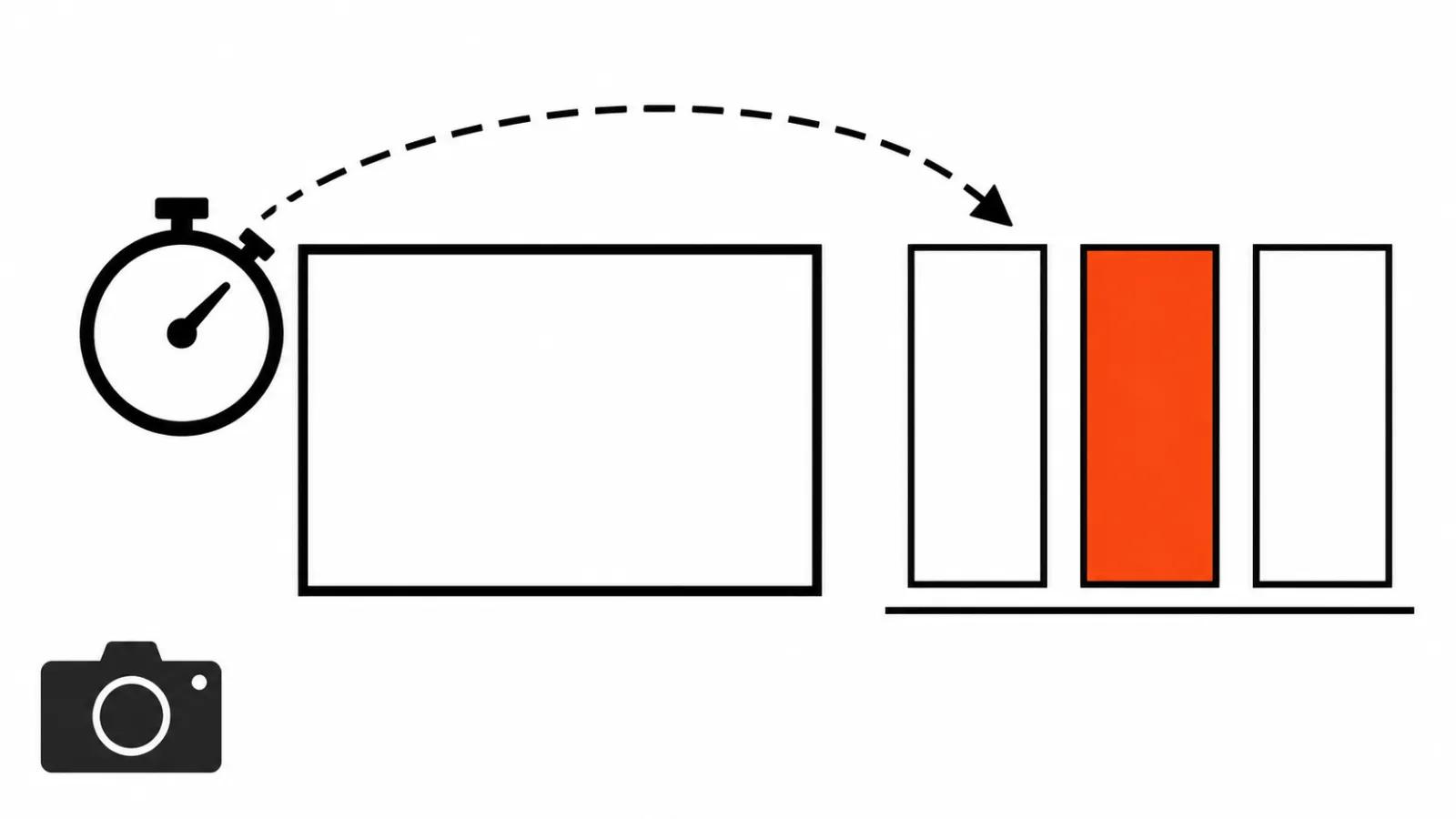
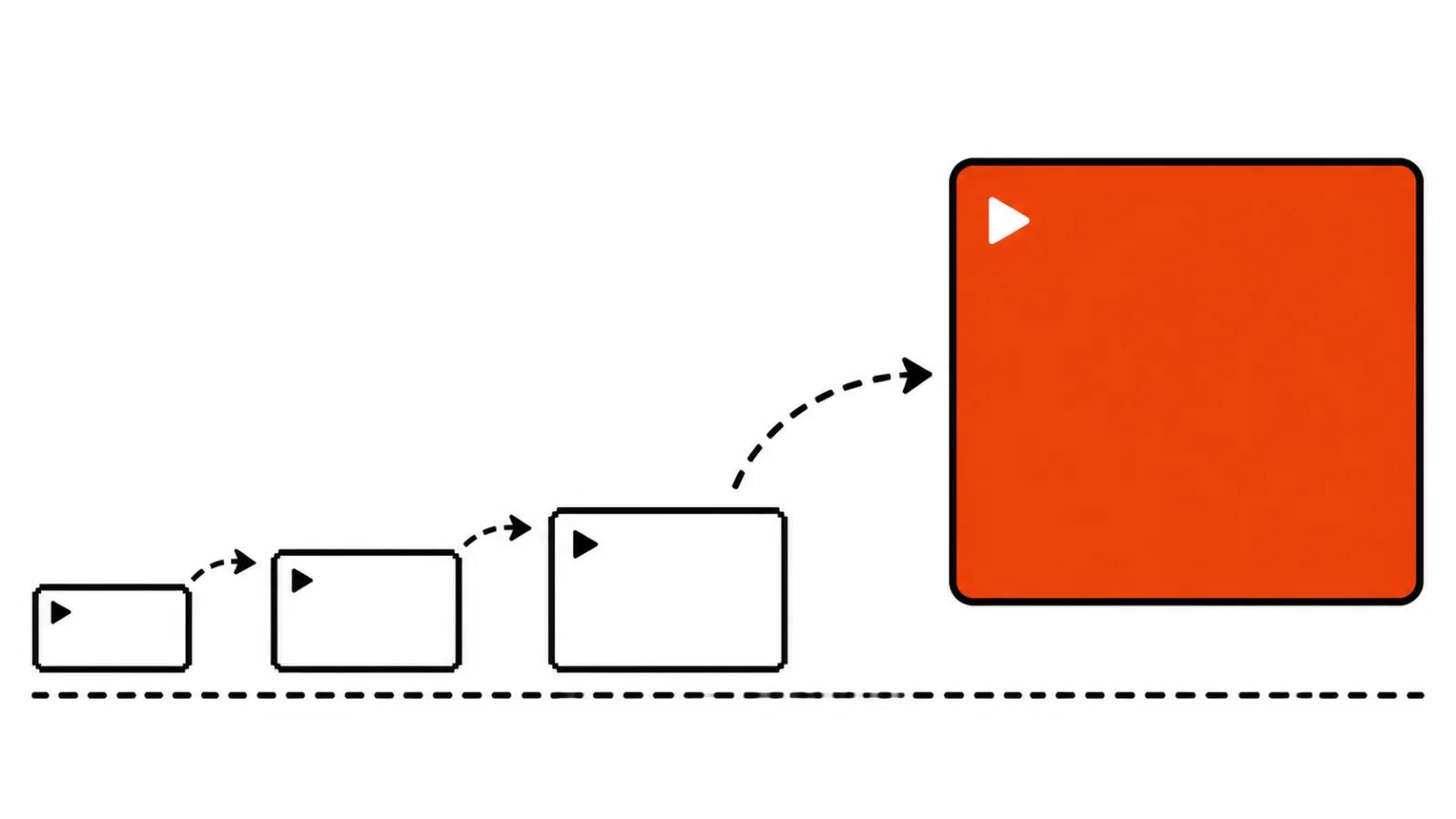
On November 16 Volcano Engine, ByteDance's platform, announced the full opening of the Seedance 2.5 4K API to developers and companies (per AIBase, November 16). The model shipped on October 23, and for a month access had to be scraped together from storefronts and quotas. The detail that matters for a quote is the draft mode, Draft or sample: cheap trials at 480p first, then a final pass at 4K, in 10-bit color. A separate article on the model runs today.
Why this matters: a 480p draft separates the search for composition from the paid final. Composition passes cost pennies, and you pay 4K rates only for the take you have already picked. I compared the two versions of the model in the Seedance 2.5 Flash and 4K comparison, including how to choose between them for a given job.
Seedance 2.5 Flash in Ark: the official price list
According to the ShorStory digest of November 16, the Ark console lists Seedance 2.5 Flash as generally available. The official Ark price list, page dated November 13: 46 yuan per million tokens without an input video and 28 yuan with one. The flagship Seedance 2.5 sits at 70 and 42. Per token, Flash is priced the same as Seedance 2.0.
A sample from the Ark console, a 5 second clip at 16:9: 2.21 yuan at 480p, about 0.44 yuan a second or roughly $0.06, and 4.97 yuan at 720p, about 0.99 yuan a second or roughly $0.14. Limits: up to 30 seconds, only 480p and 720p, up to 10 images, 5 videos and 5 audio files as references. With an input video the price depends on its length, so a quote built on a video reference gets its own line. The price list is dated November 13 while console availability shows up in the November 16 digest, so it is worth rechecking the numbers in your own console before putting them into production. I went through the overseas rates for the same model in the BytePlus pricing breakdown.
Why this matters: the draft second now has a vendor's own price. About $0.06 per second at 480p is the level where ten trial versions of a scene cost less than a dollar, and testing a composition stops being an expense.
Two open models: LongCat-Video-Avatar 1.6 and Vimoo 1.0
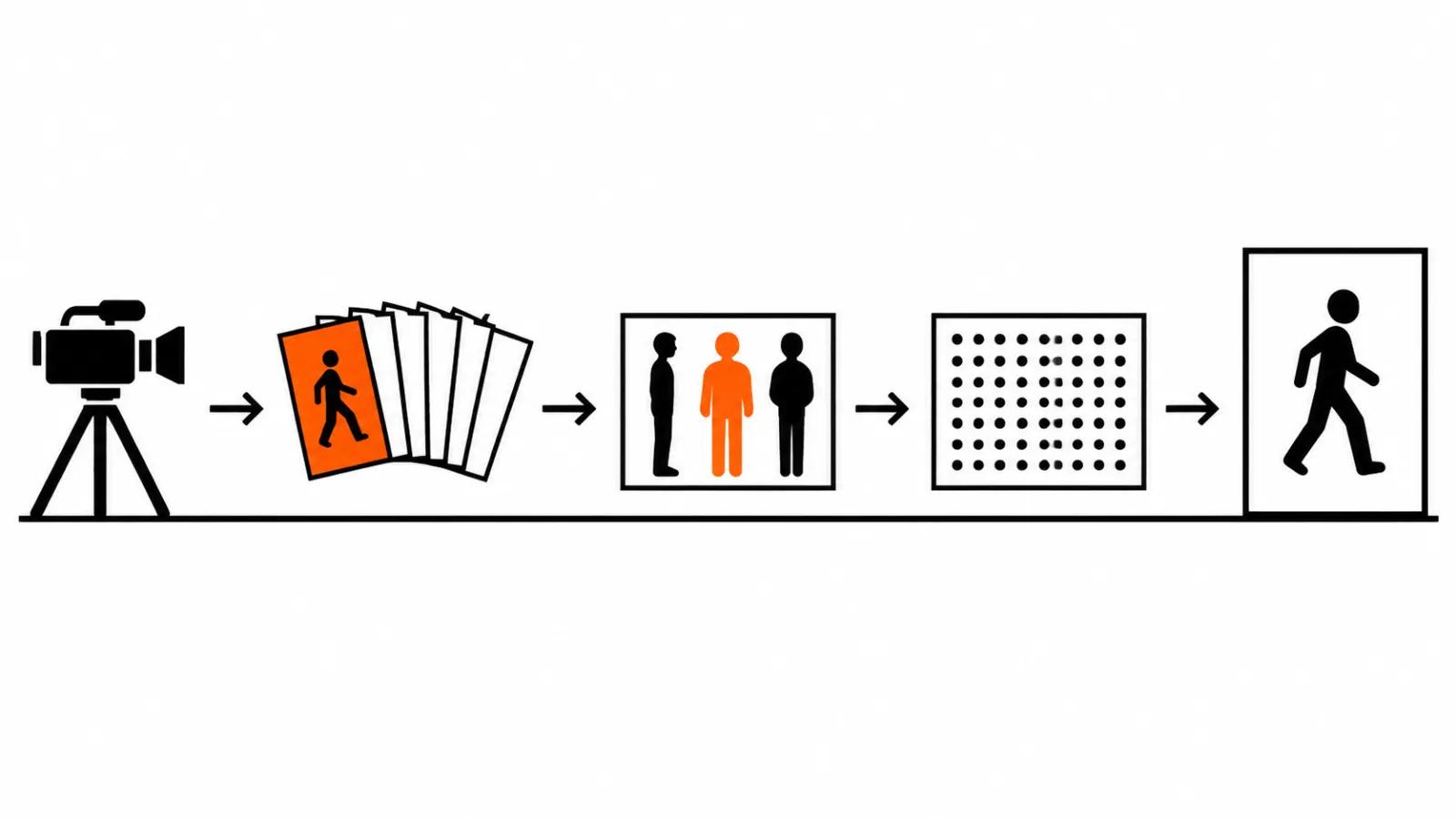
Meituan announced LongCat-Video-Avatar 1.6 on November 15, with weights on Hugging Face under the MIT license. The model builds a talking avatar from audio and holds clips past 10 minutes with less drift in the face and mouth. A separate article runs today.
Why this matters: length is where avatars usually fall apart. If drift at the tenth minute stays at first-minute levels, lectures and talking-head presentations get a path that skips reshoots.
The second open item is Vimoo 1.0 from Vimoo-AI: a family of text-to-video and image-to-video models, 11.7 billion parameters per task and a Lite version at 9.5 billion, 720p at 24 frames per second. MLX weights for Macs on Apple Silicon are included, so the model runs on your own hardware. The weights landed on Hugging Face around November 12, and the Reddit discussion surfaced on the 15th. A separate article runs today.
Why this matters: open weights with MLX give you a free local test. For confidential material and for experiments that is a way to try the model without an account on anyone's cloud.
AI video news: the GASP chart and the PilotRush contest
The GASP chart for November 8-15, per the ShorStory digest: 19 of the top 40 vertical series are tagged as AI, up from 16 a week earlier. The top three spots belong to ReelShort, and all three carry the AI tag. A separate article on the chart runs today.
Why this matters: the AI tag has stopped being a liability at the top of the chart. The first three places are held by series built with AI, which is a ready-made counterargument for a client asking for "real footage only".
The second story in the same lane is the PilotRush contest from Vertical Future (press release, November 15): submit a pilot episode of an AI micro-drama in 9:16, 50 to 80 seconds long. Entries close on November 19 at 15:00 EST, entry is free. Prizes go to 40 places with $5,000 in total, and the winner may be offered a paid first season with a budget of up to $10,000. In the release, the season offer is phrased as an option for the organiser, with no guarantee attached.
Why this matters: free entry and a three day window fit a studio that already cuts vertical drama. A 50-80 second pilot is portfolio material anyway, and here it also gets paid.
Kling 4.0 in YouCam and motion transfer in Bandicam AI Studio
Perfect Corp wired the Kling 4.0 API into YouCam (per Newstap, November 16): up to 30 seconds in a single generation, up to 10 key frames, mixed references, sound and lip sync. A separate article runs today.
Why this matters: the Kling pipeline reaches an audience that never chose the model. For a studio that is distribution of the technology and competition inside the same app at once.
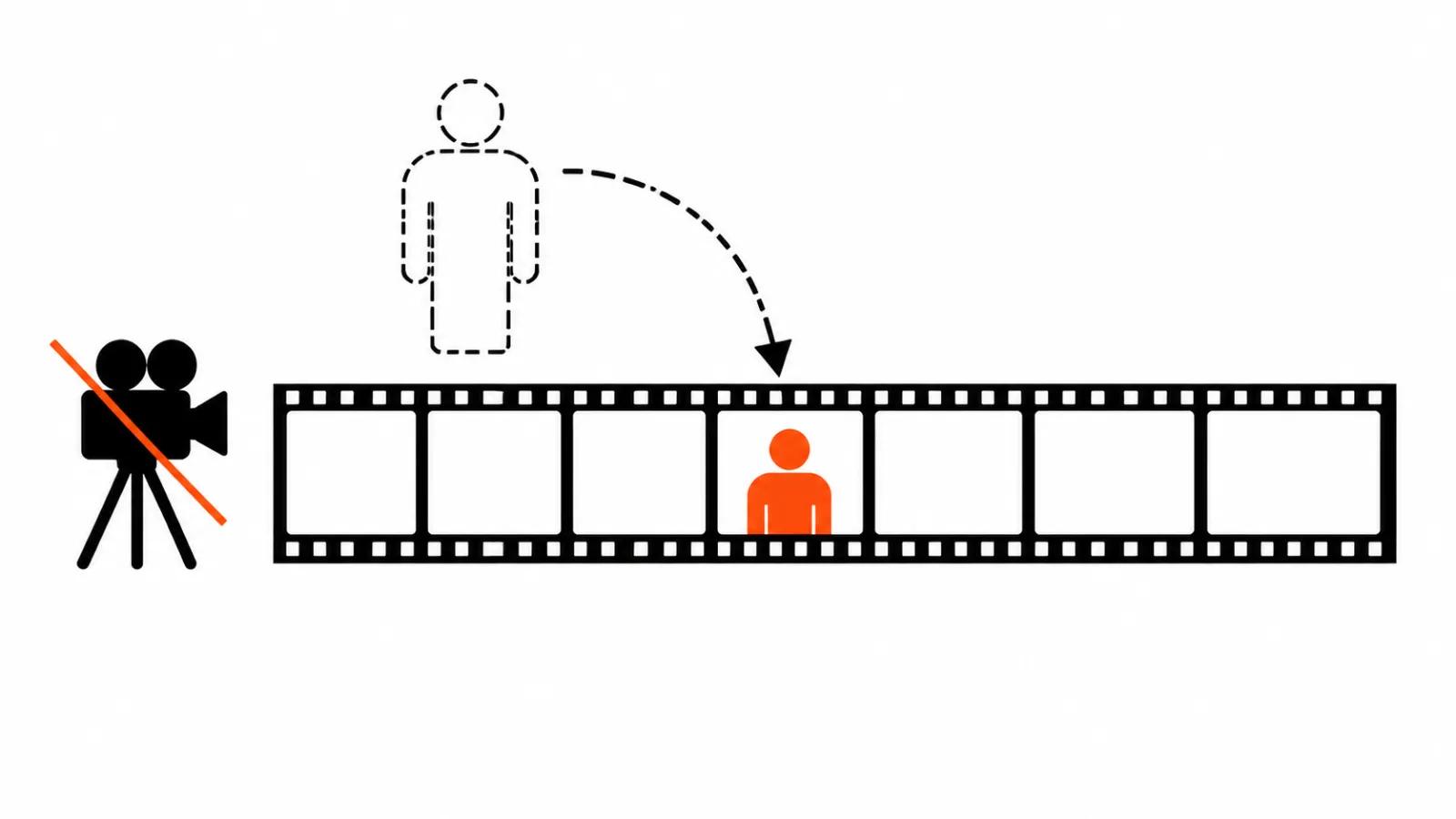
Bandicam Company launched a motion transfer feature in Bandicam AI Studio (per ZDNet Korea, November 16): the model swaps the person, animal, clothing, product or background while keeping the motion and camera of the original clip. A separate article runs today.
Why this matters: motion and camera are the most expensive part of a shoot. Dropping a new hero or product over existing body mechanics turns a reshoot into a layer swap, and it is a straight path to product versions aimed at different audiences.
Facy.ai Image-to-Video Long: up to 15 seconds from one image
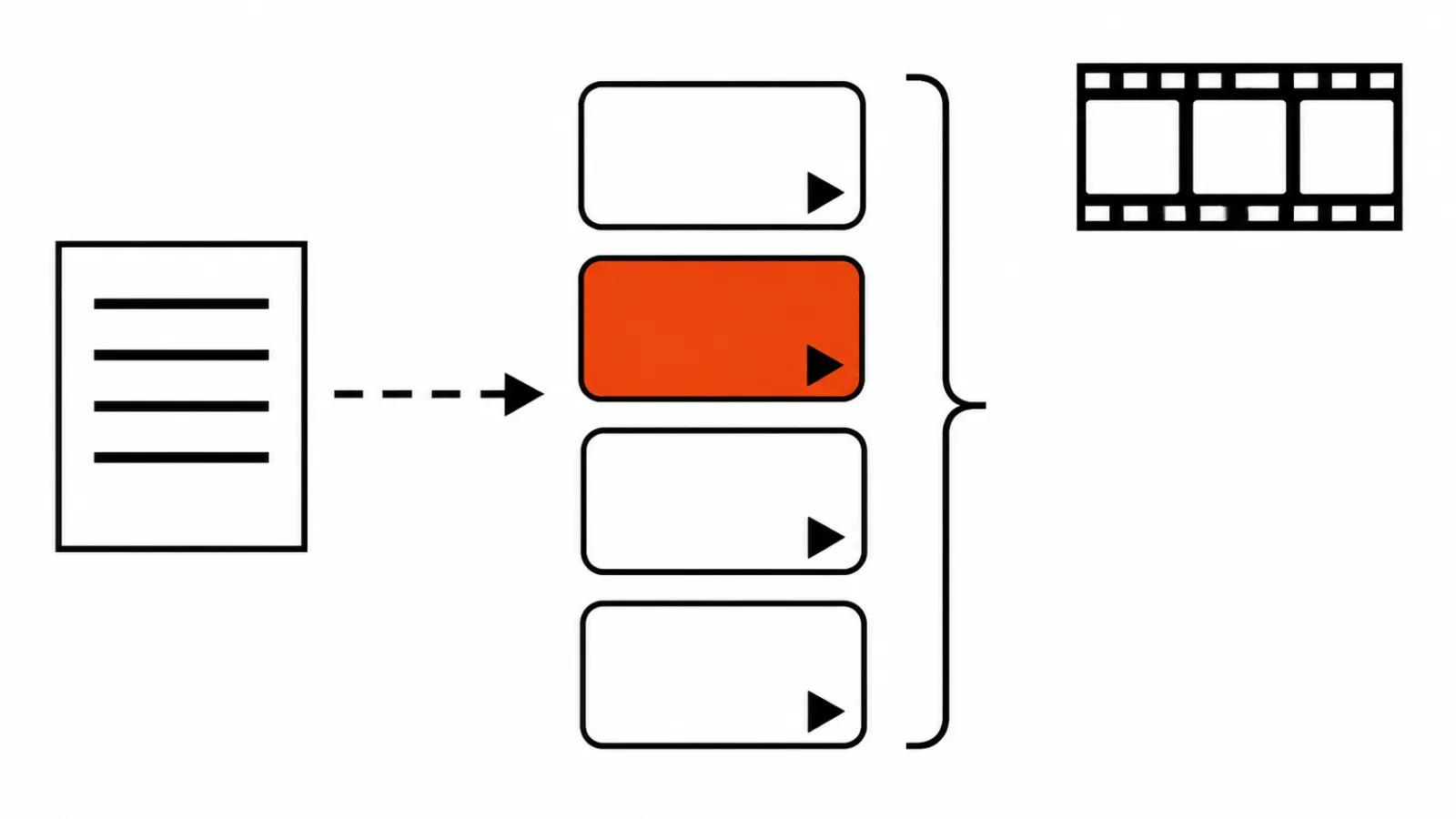
Facy.ai announced Image-to-Video Long on November 16: a clip of up to 15 seconds from a single image, at 720p or 1080p. The prompt can be one block of text or a step-by-step breakdown tied to time. The feature is paid and is still listed as "coming soon", so testing it on your own material will have to wait.
Why this matters: the step-by-step, time-bound prompt is becoming the norm in small services too. Scene descriptions move out of the editor's spreadsheet and straight into the prompt field, and the language of storyboarding starts matching the language of generation.
A survey of AI video models: what it means for a quote
The day in one line: drafts get cheaper, finals get more expensive as quality climbs, and vertical drama keeps proving its status with money and charts. About $0.06 per second of Flash at 480p covers the composition search, the draft mode on the 4K model covers the final, and the top of the GASP chart shows that AI in the frame no longer needs a disclaimer.
The booking takeaway. When video is produced by AI in a series of versions, the cost is set by the number of passes, and the draft mode cuts exactly that number. For vertical advertising, where versions always outnumber ideas, the pairing of "480p for selection, final at maximum resolution" saves more than any per-second discount. Where a project needs guarantees on faces and props, the manual path remains: our handcrafted videos start at $190, and a person owns every frame. Yesterday's issue covered Seedance 2.5 Flash in the API, PixVid and Meta from the other end of the same line: official prices are squeezing out someone else's markups.