What HeyGen actually shipped
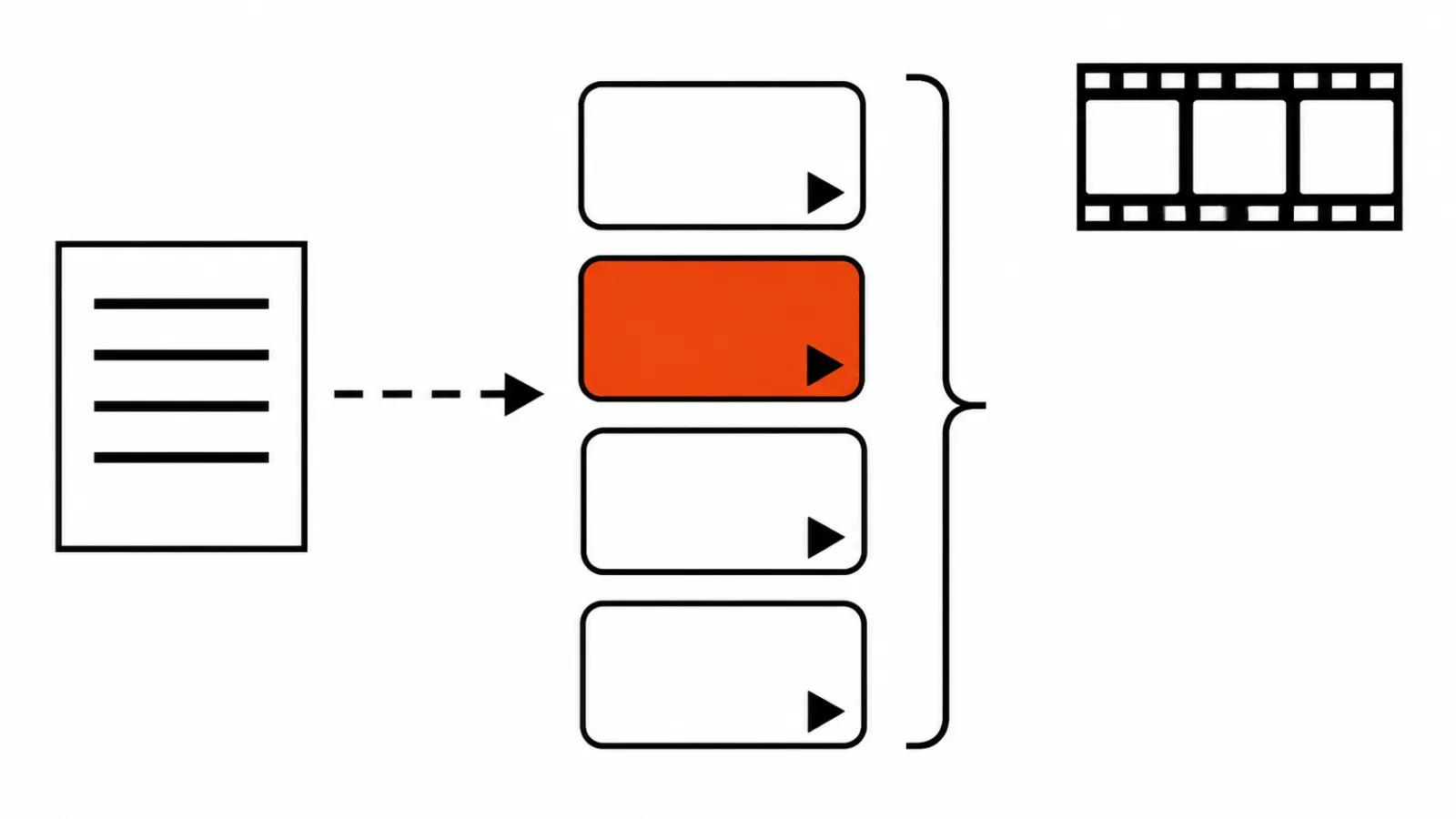
Decision 1 is a decision model. It looks at finished material and returns answers: yes, no, a category, a score. Three things go in. A state of text or JSON, media in assets, and a list of named questions. The name comes back with each answer, so one request covers a dozen checks at once: is there a logo in the shot, can the caption be read, does the scene match the brief.
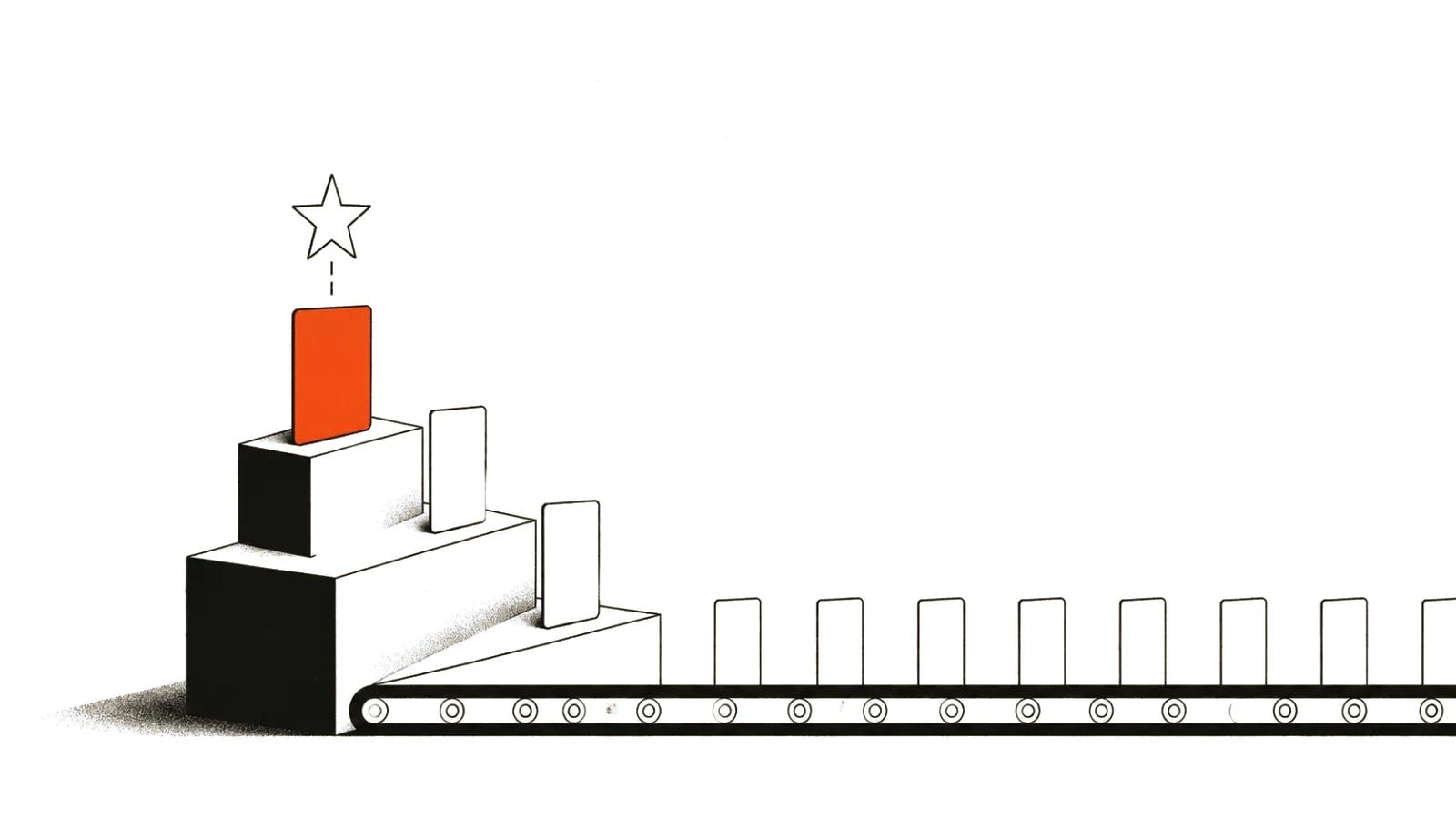
That is more interesting to me than another generator. The pile of clips grows faster than the people who approve them, and the bottleneck moved to review years ago. A model that scores against my own rubric hits exactly that spot.
How the model reads a video
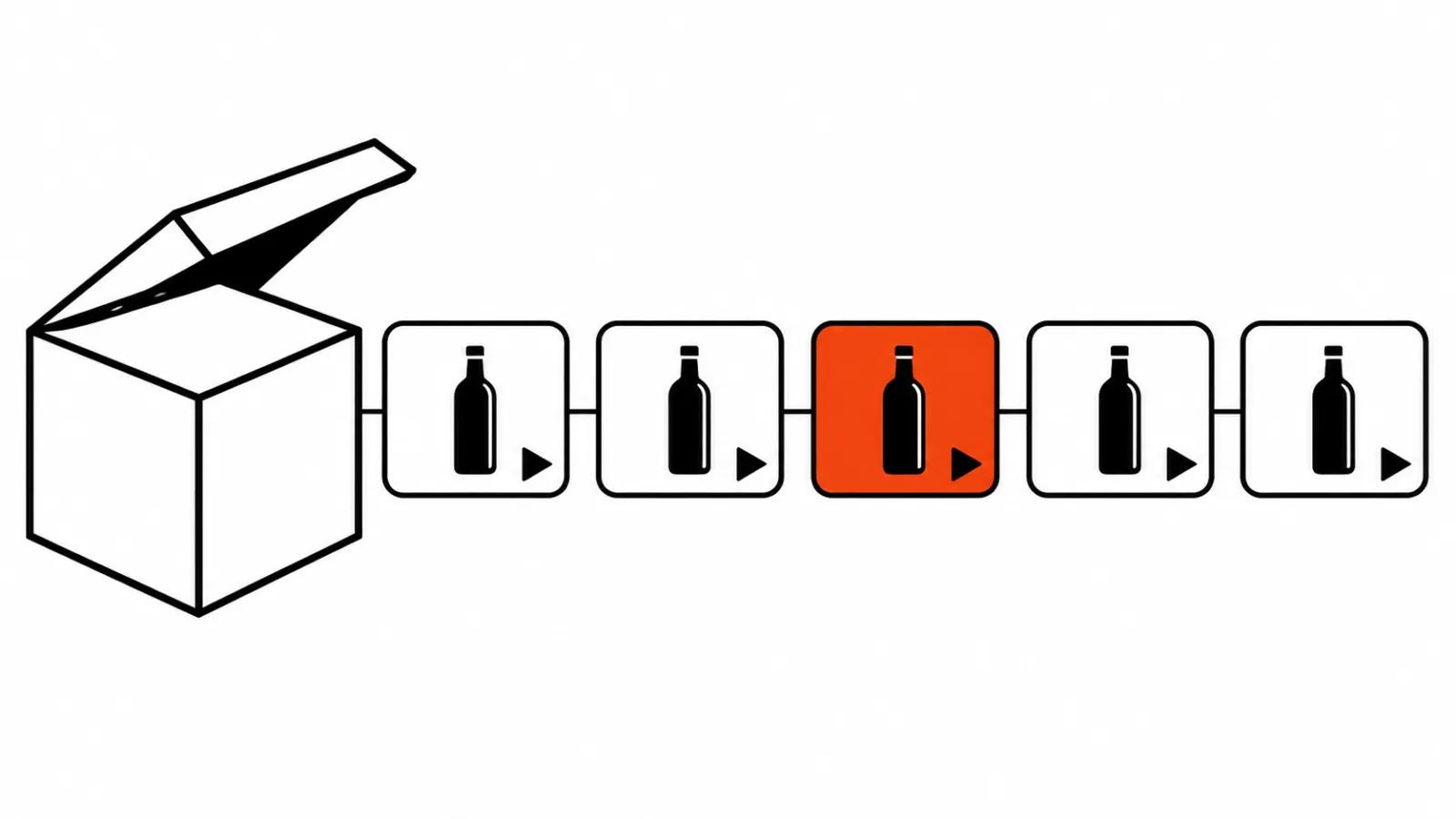
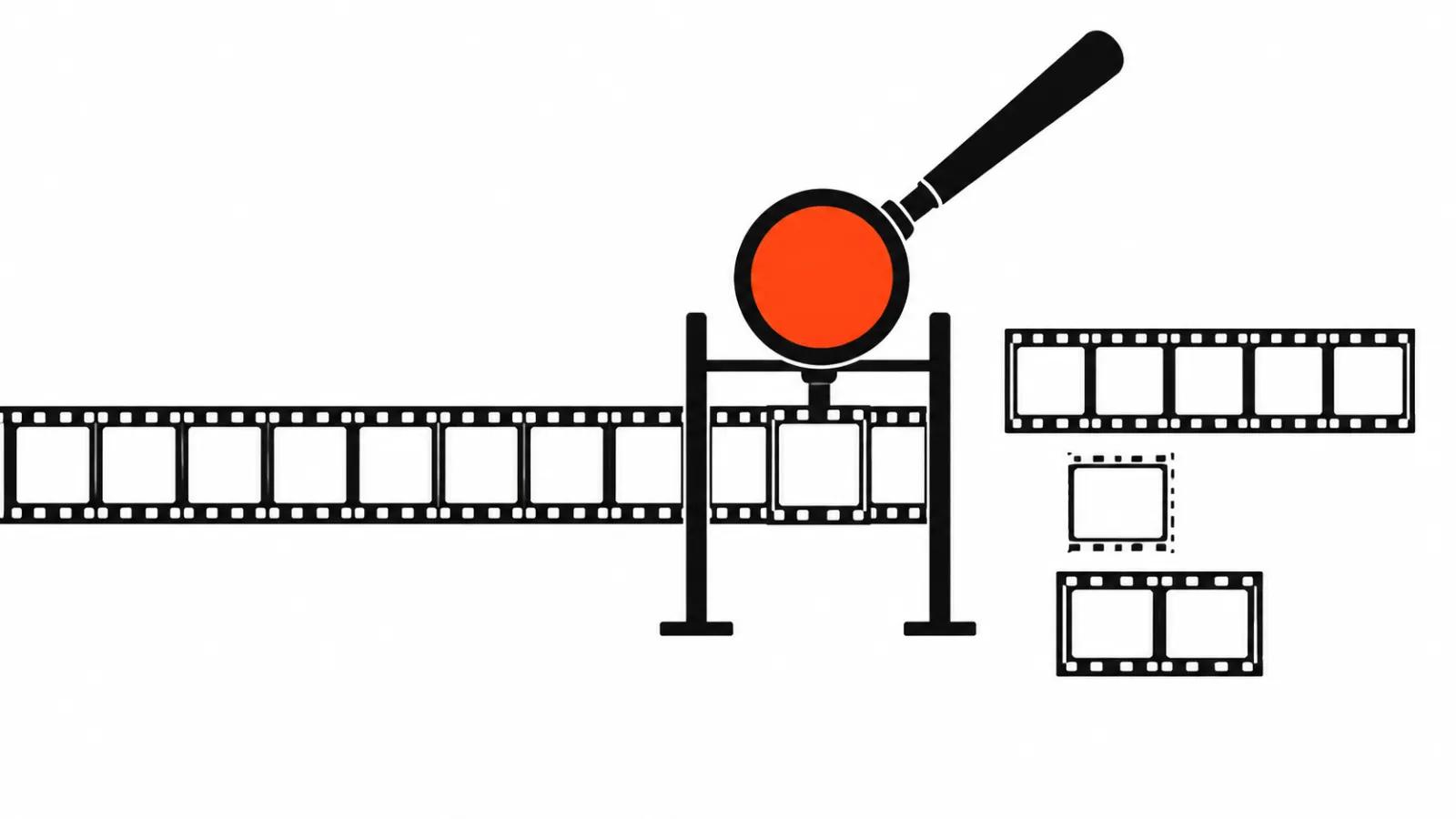
Media goes into assets: up to four images and one video per request. The video arrives as a sample of frames, so a whole clip never lands in one pass. A half second glitch between two samples can slip past, which matters when the question is "is there a jump cut here".
Sound never reaches the model. Everything it knows about what was said sits in the state as text. If you want a verdict on a line, paste the transcript yourself, otherwise "does the character promise a discount" stays unanswered.
One detail people trip on: a URL inside the state is read as text. The model will not open the link, media comes from assets only. Drop a cloud link into the request and the answer politely tells you it sees a string.
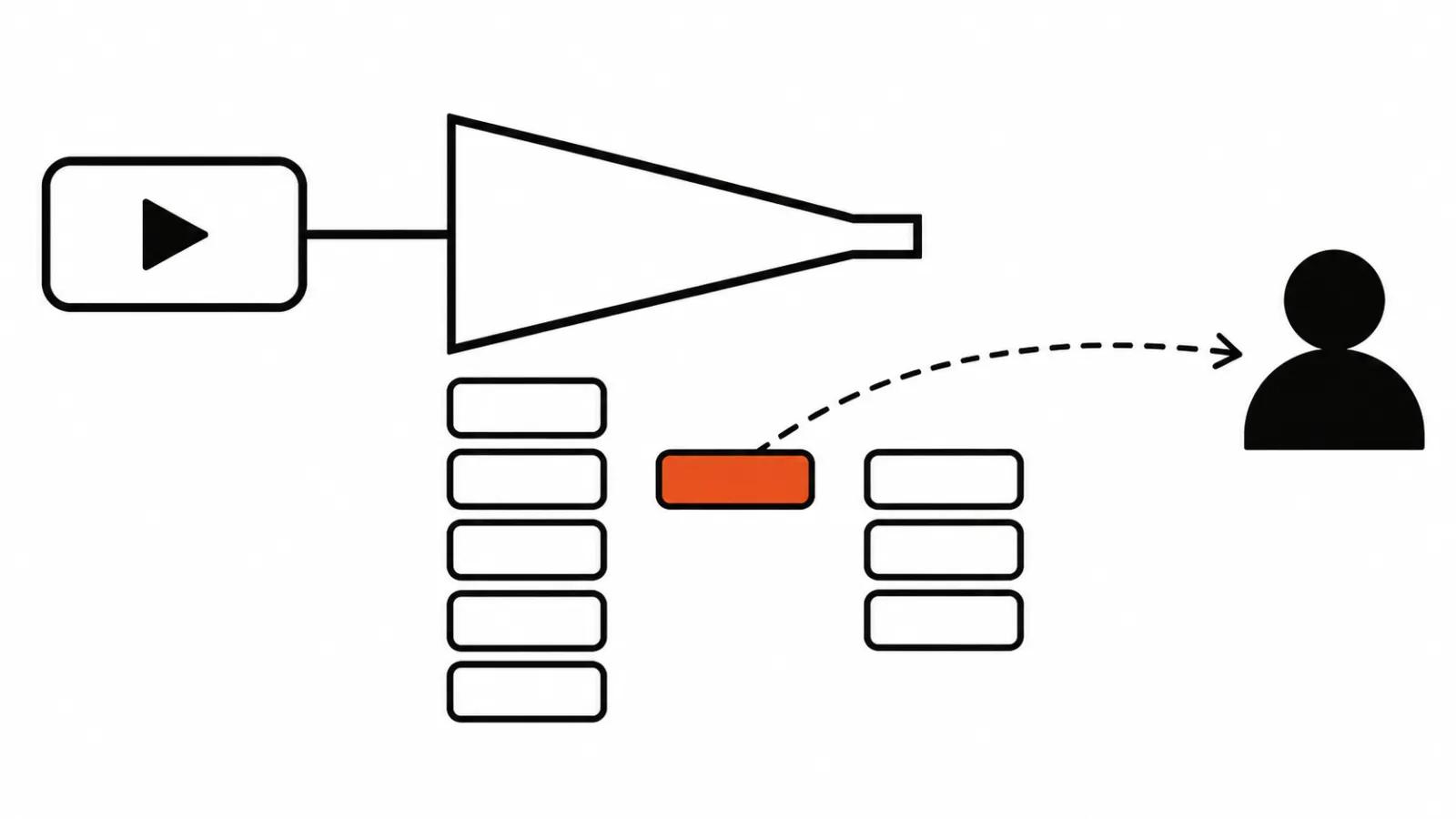
Three question types: yes or no, choice, score
noul returns yes or no plus a probability of truth between 0 and 1. choice picks a category from the ones you list and returns a probability for each plus confidence. score returns a number on a scale the caller defines.
For choice and score the criteria are mandatory. The quality rubric is written by the customer, HeyGen only counts. That is the real shift here. The argument about what counts as a reject has to happen before the request, in the rules text, while there is still no answer to defend.
A request carries from one to 400 questions. The response is synchronous: POST /v3/models/decisions, no polling, no webhooks. For a batch of clips that is convenient, the loop of send, receive, write a row takes twenty lines. For a long queue it is awkward, since the request holds the connection.
Automated review as the first filter
My setup is plain. Twenty questions from the brief, five on brand rules, a few on technical faults: cropped head, caption outside the safe zone, jittery frame. The model runs a batch and sorts clips into three piles: clean, borderline, reject.
A person then looks at the borderline pile only. The saving does not come from the model being smarter than an editor. The editor stops burning an hour on twenty clips where there is nothing to decide and spends it on the three that need a call.
The second setup is closer to channels: a brand check on a series before publishing. There are two models, heygen-decision-1 and heygen-decision-1-turbo in preview, and turbo is the one when throughput matters. The API key needs the assets:write scope, trial keys and OAuth are not supported, so access is set up as a working key from day one.
A judge with no ears and no published accuracy
Here is my main complaint. HeyGen publishes no accuracy numbers, and Genativity's write-up from 16 November confirms that. So I know the model answers questions, and I do not know how often it gets them wrong on my kind of footage.
There is no price in the docs either. Genativity says pricing appears on OpenRouter; I am not quoting numbers I have not checked on my own volume. For a budget that means one simple step: price a test batch of a hundred clips first, then decide whether the flow sustains it.
The second limit is physical. The model has no ears, and half the faults in a clip are audio: a line lands late, music sits over the voice, silence at the cut. A judge reading frames will pass all of it.
The third is confidence. A probability of 0.83 on "does this match the brief" does not mean "it matches". The threshold gets tuned on your own data, and it will differ between a category question and a score.
How I would wire it into a pipeline
The order matters. Start with the rubric: ten items, each written so a person can grade blind and repeat the same grade a day later. Then labelling: a hundred clips by hand, one model run, a comparison. I look at the disagreements. They cluster on the subjective calls, whether a clip is dynamic enough, whether the tone fits.
Then the threshold. Where the model and I agree on obvious rejects, it can auto-reject without anyone watching. Borderline cases keep a human decision.
Then the log. Every answer with its probability goes into a table next to the editor's verdict. After a month you can see which questions the model gets systematically wrong, and those questions leave the automation.
In volume AI video production clips ship in batches, and review can easily cost more than generation. On a channel series, running an AI YouTube channel runs from $200 per month and covers selection and brand fixes as well, and the judge speeds up the first pass.
My conclusion
Decision 1 is useful as a first filter and dangerous as the only judge. I would put it at the front of the queue: clear out the obvious rejects and the obvious passes, hand the borderline to a person. While there are no published accuracy figures and while the model cannot hear, the final signature on a clip stays with people.
For the mirror question, what a model does see in a frame and where it gets it wrong, we have a piece on AI video analysis. And for reaching HeyGen models from a chat client, there was a separate write-up on HeyGen Video 1 in MCP.