What Kling posted on 16 and 17 November
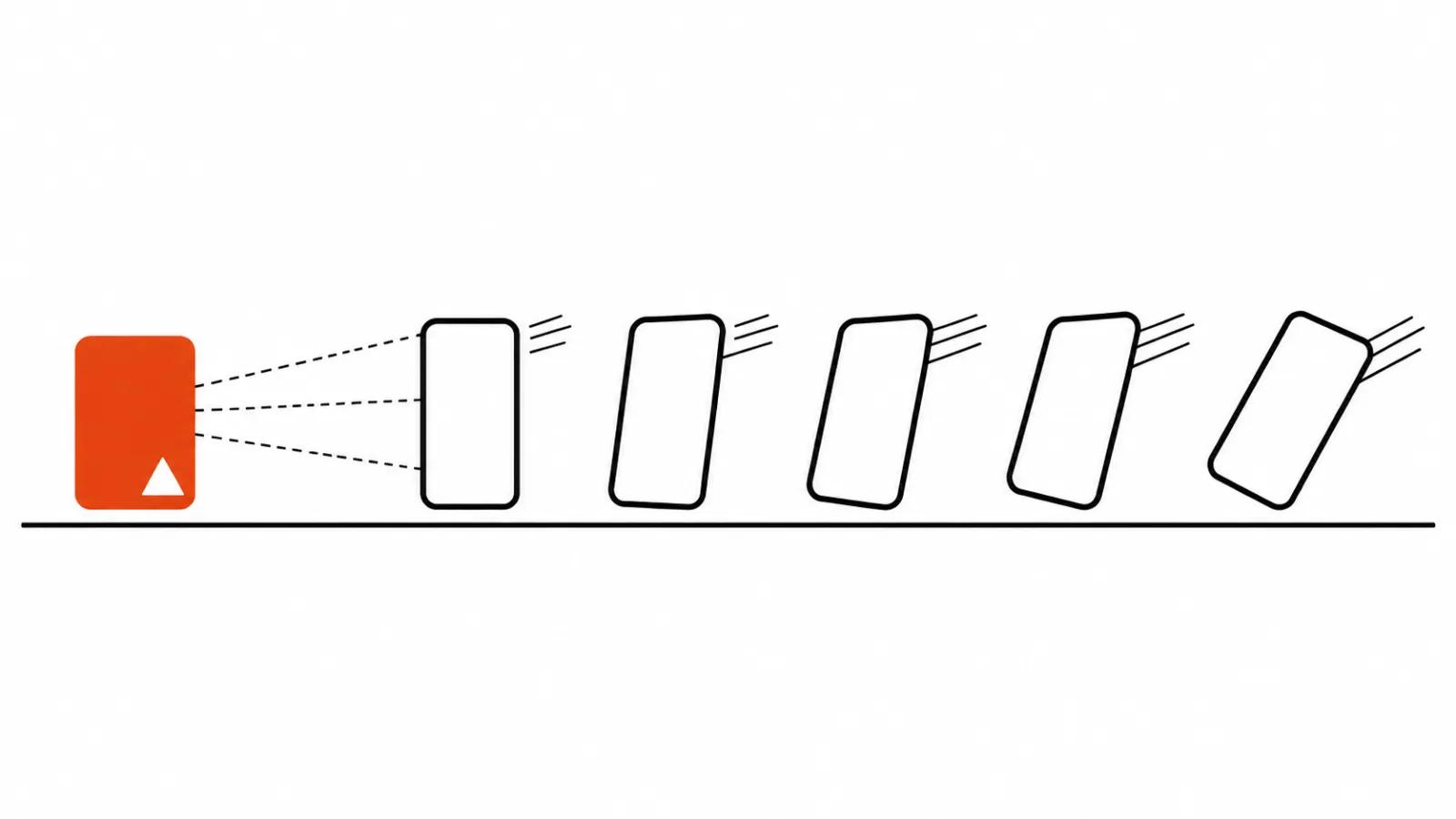
On 16 November US time the official Kling account on X posted a short line: stunningly realistic, sharp, precise, Kling Image 4.0 is coming soon. Japanese outlets date the same post to 17 November, since the date had already rolled over there. One promotional image came with it.
That is the whole announcement. No release date, no specifications, no price, no list of platforms. The outlets that covered it on 17 November repeat the same wording and note that the vendor shared nothing more. So the input is one paragraph of marketing and one picture.
Compare that with how the video line arrived. Kling 4.0 shipped on 15 October, the API opened on 21 October, Kling 4.0 Flash went open to everyone on 4 November. The video model had limits, specs and a price on day one. Here we have a promise.
Kling Image 4.0 on the leaderboard: what Elo 1180 says
On 15 November WaveSpeed noticed that a Kling Image 4.0 preview already sits in the Artificial Analysis leaderboards. Sixth place in text-to-image, 1180 Elo, a possible rank range of five to eight, 5,550 votes. In image editing it shows 1182 Elo.
What Elo means without the math: it is a rating built from pairwise comparisons. People look at two images, pick the better one, and the score follows wins weighted by the strength of the opponent. A rank range of five to eight means that at 5,550 votes the neighbours in the table have not separated yet, so the final position lands somewhere inside that window.
For a production team the fact itself matters more than the number: the model reached a public comparison before its own release. That usually happens when access is already open to someone through an API or a preview. Which means strangers have seen its frames while we have seen a teaser.
The key frame: why a video studio cares about an image model
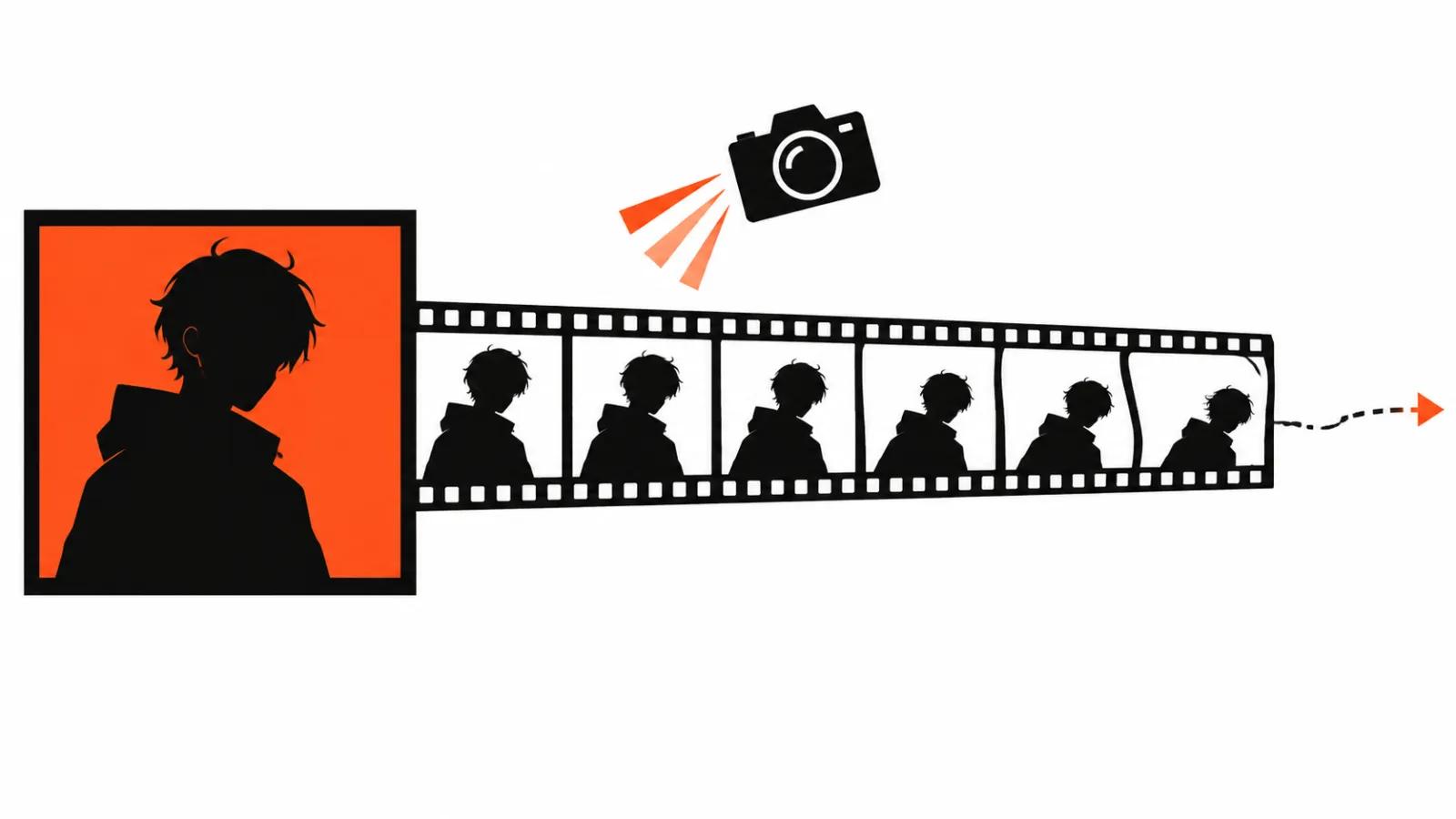
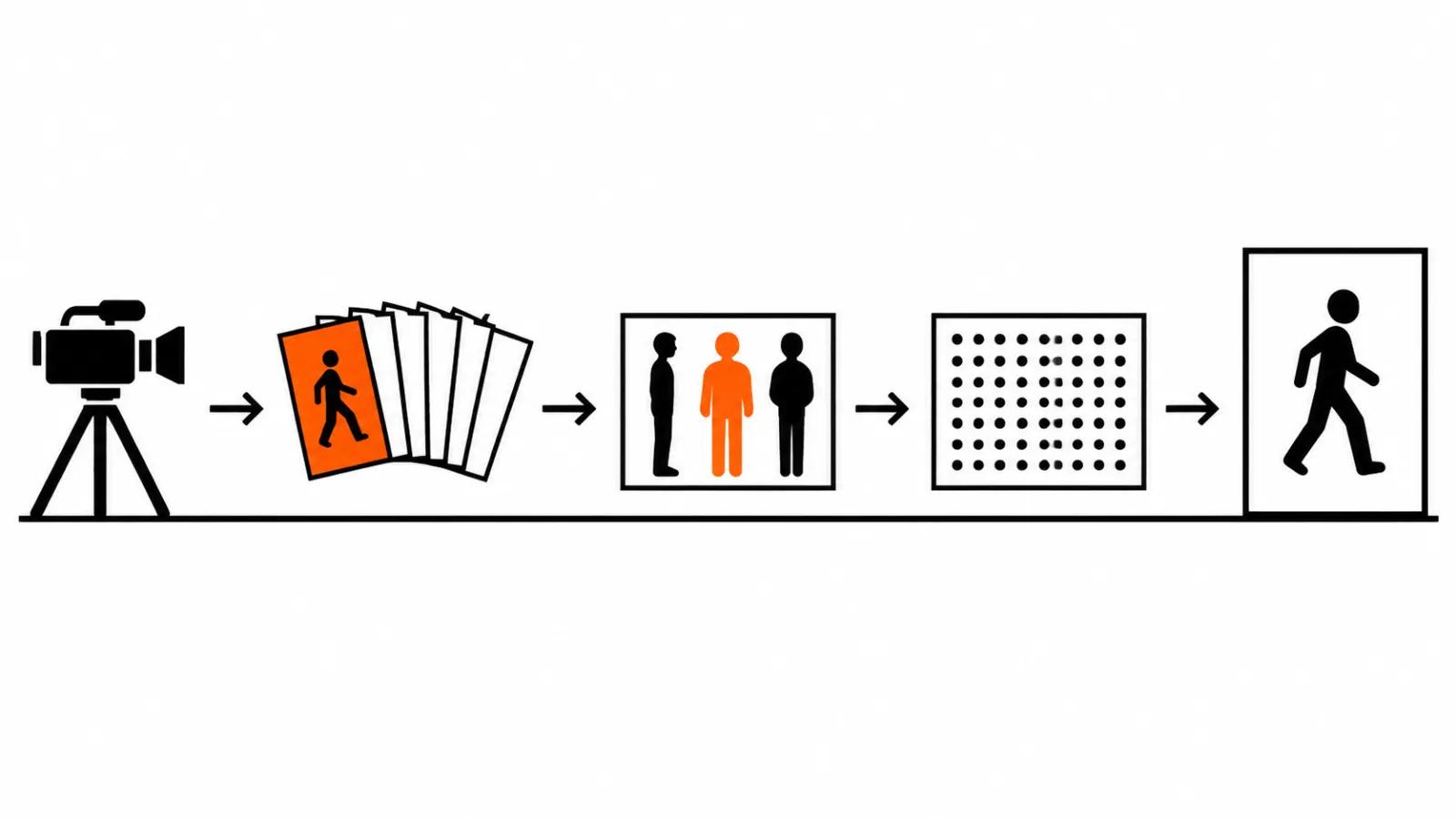
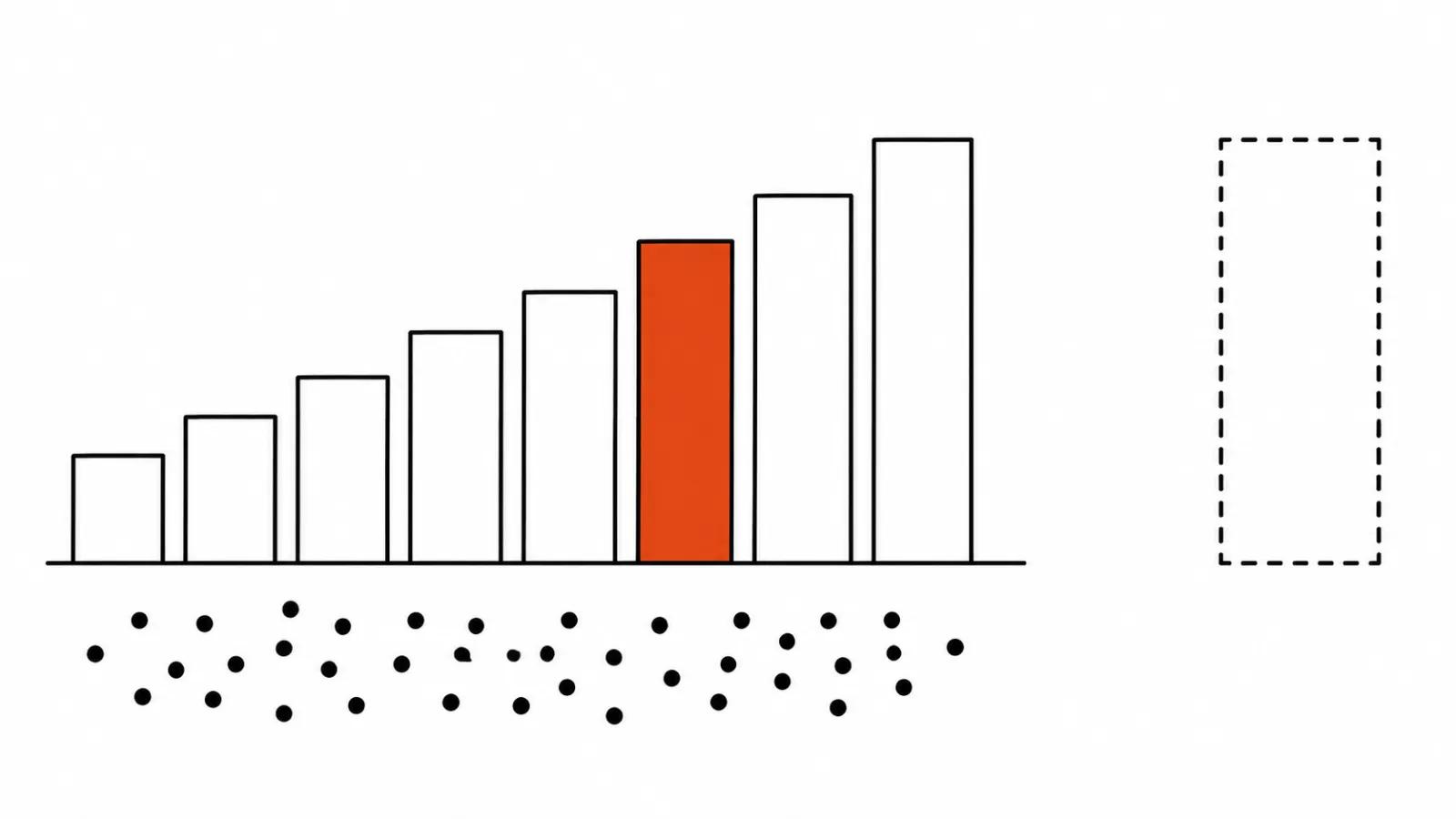
In a video pipeline the key frame is the input. The video model receives an image and draws motion on top of it: a head turn, a camera move, a product dropping onto a table. Everything settled in the image (composition, light, the face of the hero, where the product sits) carries into the clip almost unchanged. The quality of that first frame sets the ceiling of the whole shot.
That is the practical reason to watch any new image model. If it holds prompts and product references more precisely, fewer passes are burned on hunting for variants. One good frame costs less than ten almost good ones.
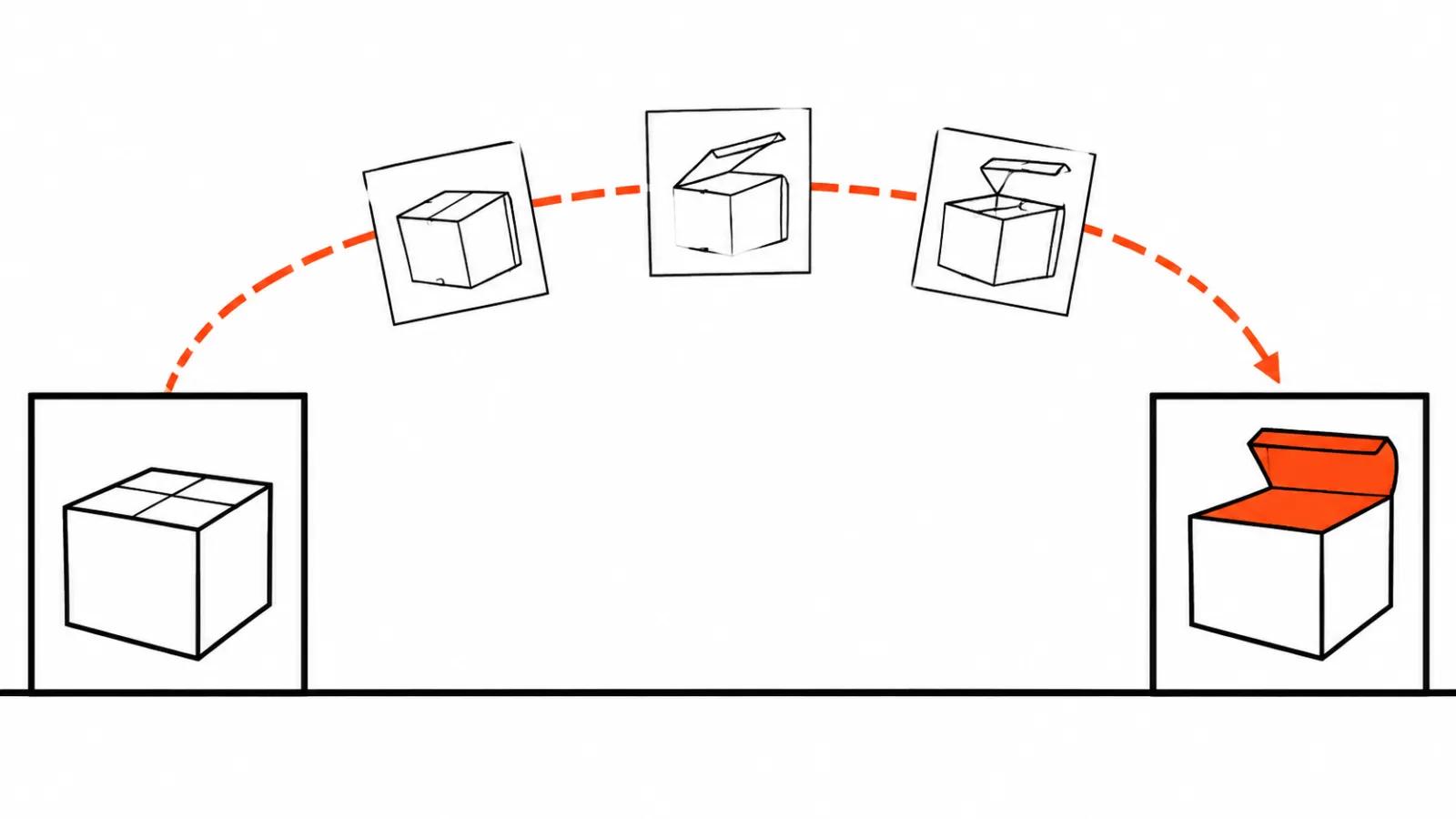
There is a second case where an image gets used twice: first frame and last frame. The video model builds the motion between them, and the scene lands on a planned ending without a hand cut.
The teaser itself says nothing about this, yet the shape of the video launch suggests Kling Image 4.0 will be sold next to Kling 4.0. We already have a full Kling 4.0 release breakdown covering limits and modes of the video model.
Third-party listings: 2K, 4K and ten references
Now the part where I slow down. Third-party listings cited in WaveSpeed's 15 November write-up credit the model with 2K and 4K output, up to ten references through tags from Image1 to Image10, nine aspect ratios, and a role in building the first and last frame of a video.
None of that is confirmed officially. There is no card on the Kling site, no line in the docs, no figure in the teaser. At this stage those specs usually leak from preorder interfaces and screenshots, and half of them change by release. I read the list as a reason to run a test, and refuse to read it as a quote.
The practical consequence is simple. If the model arrives next month with four references instead of ten, that is not a vendor lying, that is the normal life of an early leak. Budgeting render volume around 4K before a release buys nothing.
Why video companies build their own image models
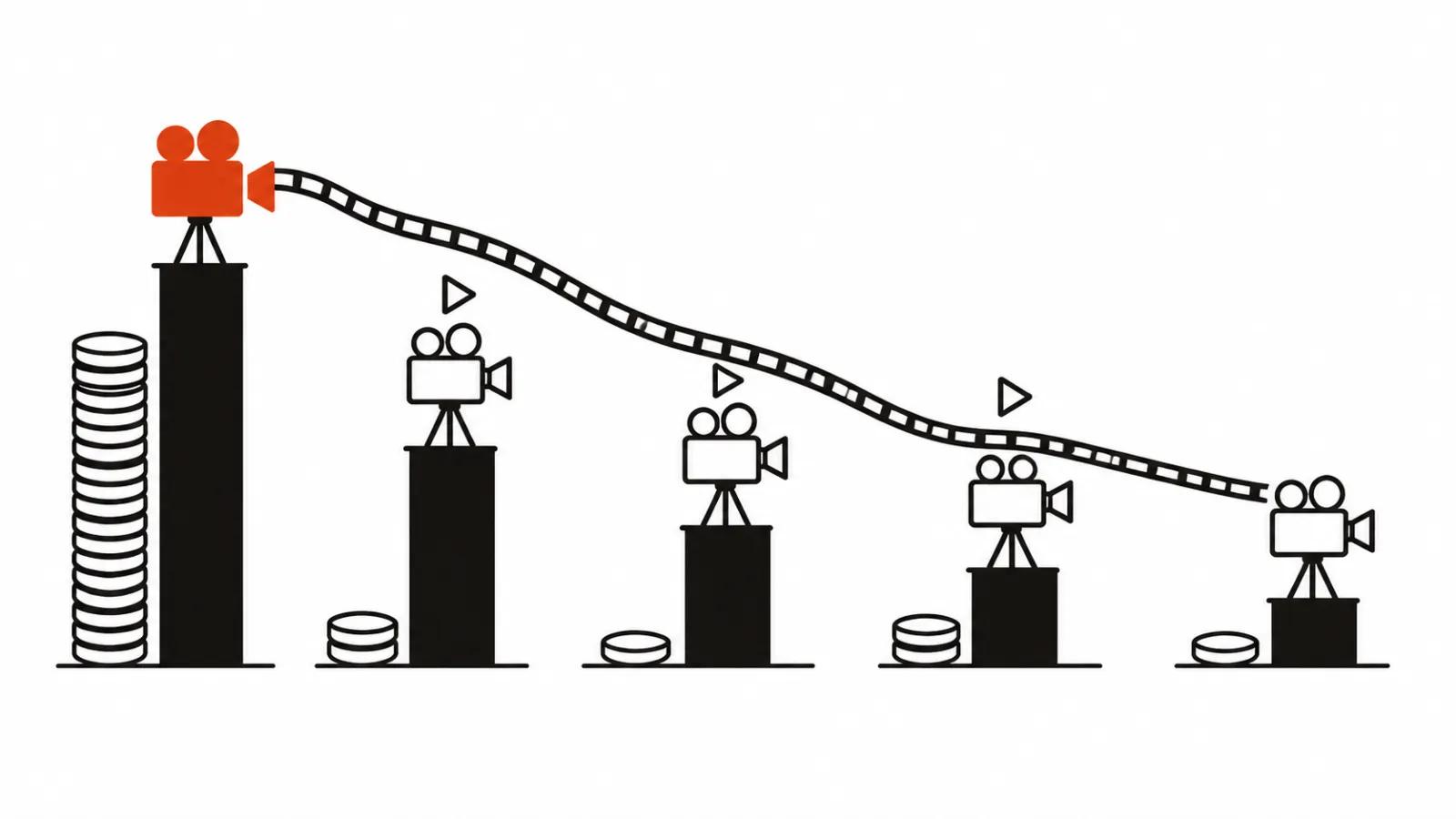
The logic is not about prettier pictures. A video model is trained to animate frames, and the quality of its motion depends on how clean the input was. When the image comes from someone else's model, the studio controls neither the frame prep nor the compatibility: an in-house generator can be tuned on the same data as the video model, which is how a team gets frame and motion to agree.
Money is the second motive. Images are cheaper to compute than video, so a studio can sell a cheap stage first: frames, then motion. The customer pays twice inside one project, and the vendor collects a second stream of requests.
Data is the third. Every generated frame shows what people consider good composition and good light. That feedback feeds the next version of the video model.
What to do while the specs are missing
My routine for announcements like this one is short.
First, log the date and keep it out of client promises. A new model enters a proposal after release. Before release it belongs in an internal note.
Second, keep a test scene ready. One prompt, one product reference, three runs in the new model and three in whatever already sits in your pipeline. Compare three things: does the print on the packaging hold, does the face drift, does the frame match the prompt.
Third, measure attempts per usable frame. A model that returns one keeper out of ten costs more than a model that returns one out of three, even at the same price per generation.
In volume work stills feed AI video production, and the key frame is the first input into the line. When a project needs guarantees on faces and props, handcrafted videos take over, and a person owns the frame.
My conclusion
An announcement with no numbers is a signal. It becomes a tool once specs land. I am putting Kling Image 4.0 on a test list and keeping it off any production plan: sixth place on 5,550 votes plus one teaser says nothing about how it holds a product and a face across ten frames.
What changes for a studio shows up in the first day after release, when clips appear on the new model and cards with price and limits go live, and then the comparison takes an evening. That is how Kling 4.0 Flash went: Kling 4.0 Flash pricing and limits appeared with the open access, and before that nobody could quote a per second price.