The contest and the clock
On 15 November Vertical Future Inc., an AI entertainment and IP company based in Sheboygan, USA, opened PilotRush through its microdra.ma brand. The co-organiser is AdArena, a community of roughly a thousand creators. Entries close on Thursday 19 November at 15:00 Eastern, which is 23:00 Moscow time, and entering costs nothing.
As of 16 November there are three days left: entries close on 19 November at 15:00 EST. If you already have footage, that is enough time for a cut, subtitles and a voice pass. If you start from nothing, it is one night of generation, which is a decision of its own.
What the entry must contain
Episode one of an original vertical microdrama. Frame 9:16, running time between 50 and 80 seconds, any genre, the imagery made by AI. Motion control and live voice-over are allowed, so a hybrid of generation and recorded voice does not break the rules. Language: English without subtitles, or another language with English subtitles. One pilot per creator or team, and the rights stay with the authors.
Read the list as a spec sheet from a client. The formal gate closes fast, and a cut outside 50 to 80 seconds never reaches the jury however good the opening shot looks.
Why short series begin with a pilot
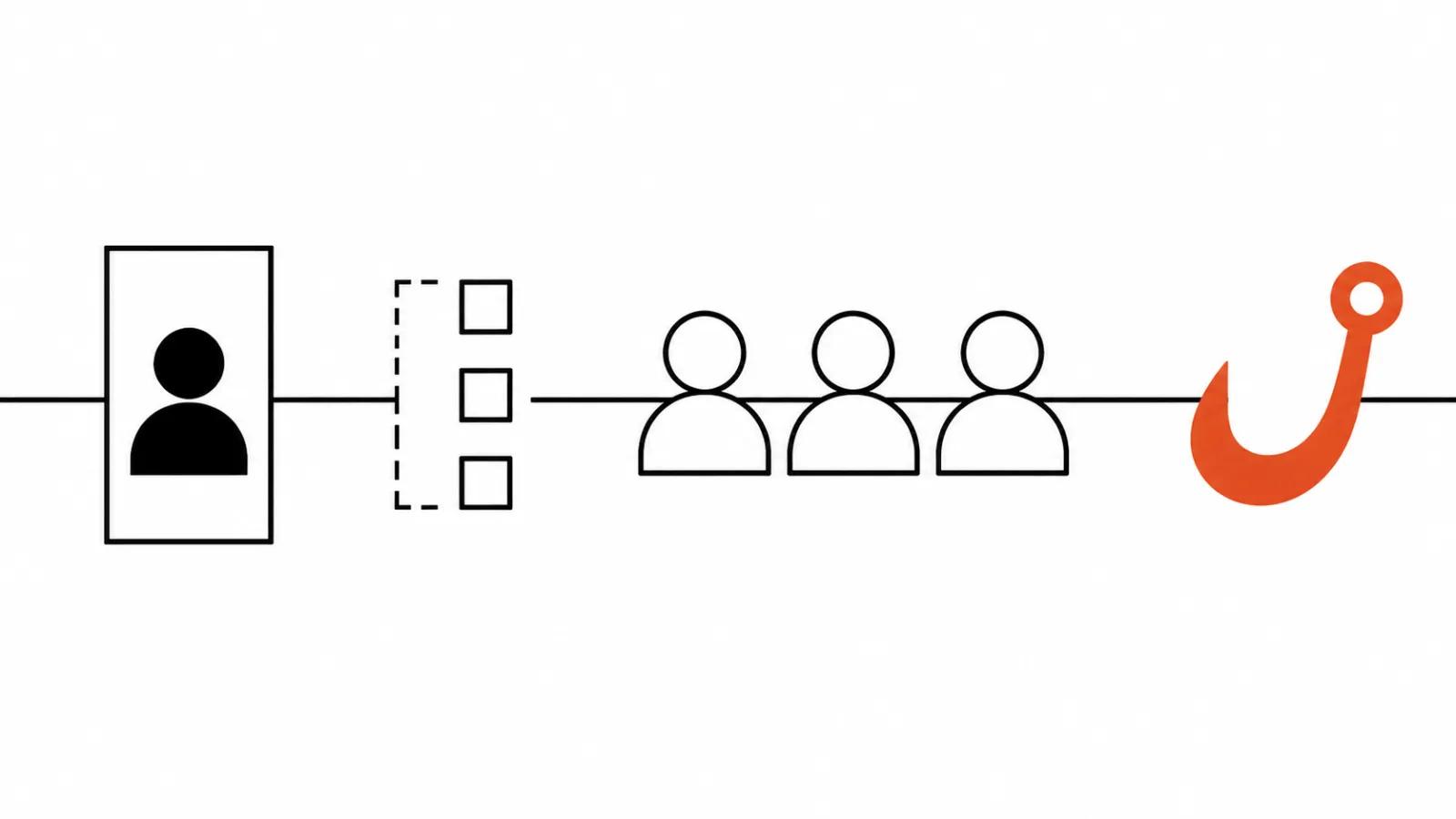
The contest page states the brief plainly: it wants a repeatable world, characters worth following and a story engine strong enough to last past one video. A series buyer treats a pilot as a test of the hypothesis. Does the setting hold, does the lead pull you in, is there a conflict that survives twenty episodes.
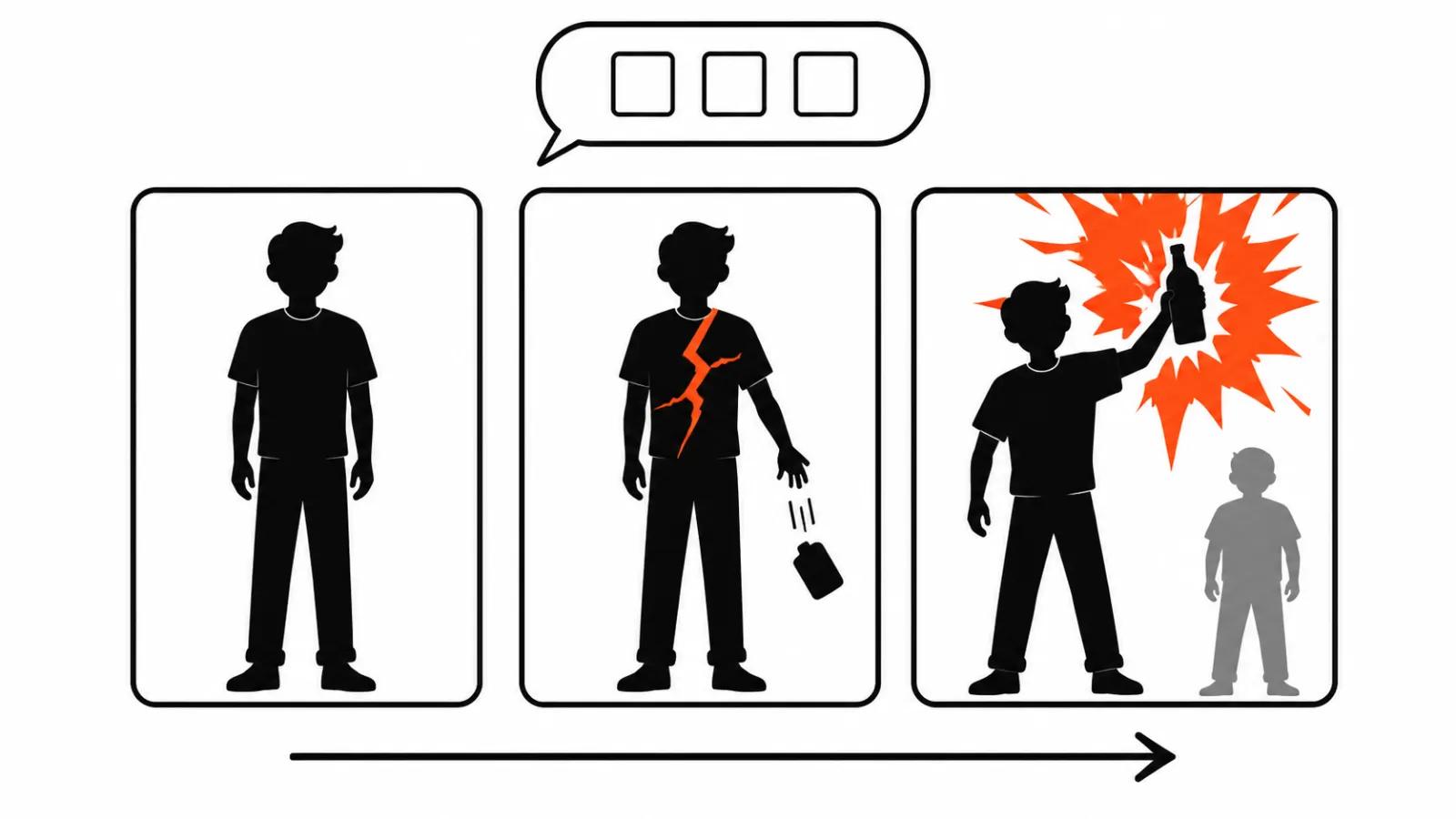
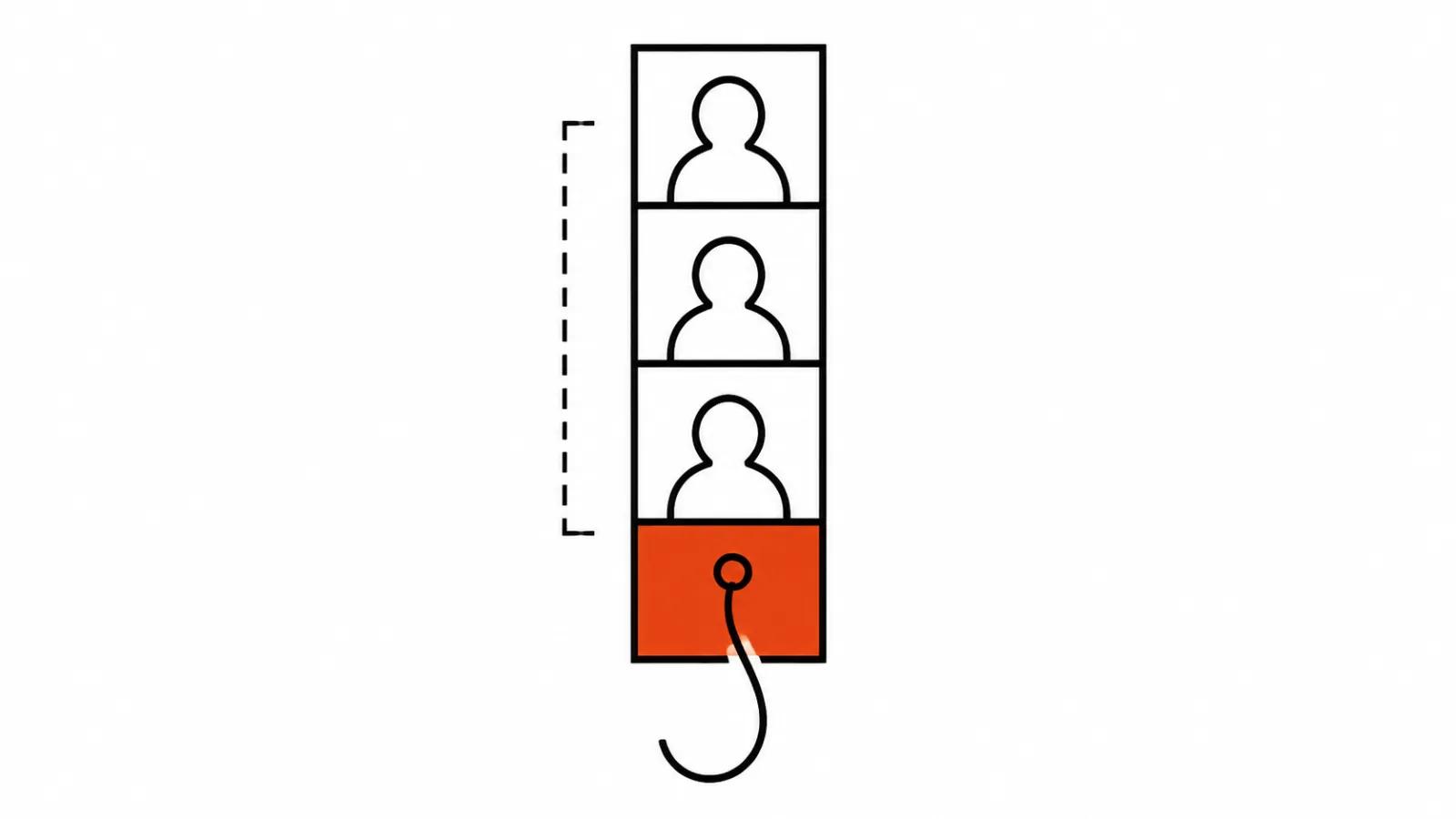
That sets the first rule for the writer. The pilot has to end on a hook, because the next episode hangs on it. Twenty seconds of setup at the front eat half the attention budget, and a vertical viewer leaves before the character finishes introducing herself.
The money
The pool is 5,000 dollars spread across 40 places. First place takes 1,200 dollars in cash, per the ShorStory roundup. The winner may then be offered a paid first season with a budget up to 10,000 dollars.
The word "may" carries the weight here. The season is described as a conversation about development, production, financing and distribution, with no guarantee written into the rules. The rights stay with the creator, and that clause is the real reason to enter: the pilot remains your asset even without a prize.
Making a series with AI in 50 seconds: where it breaks
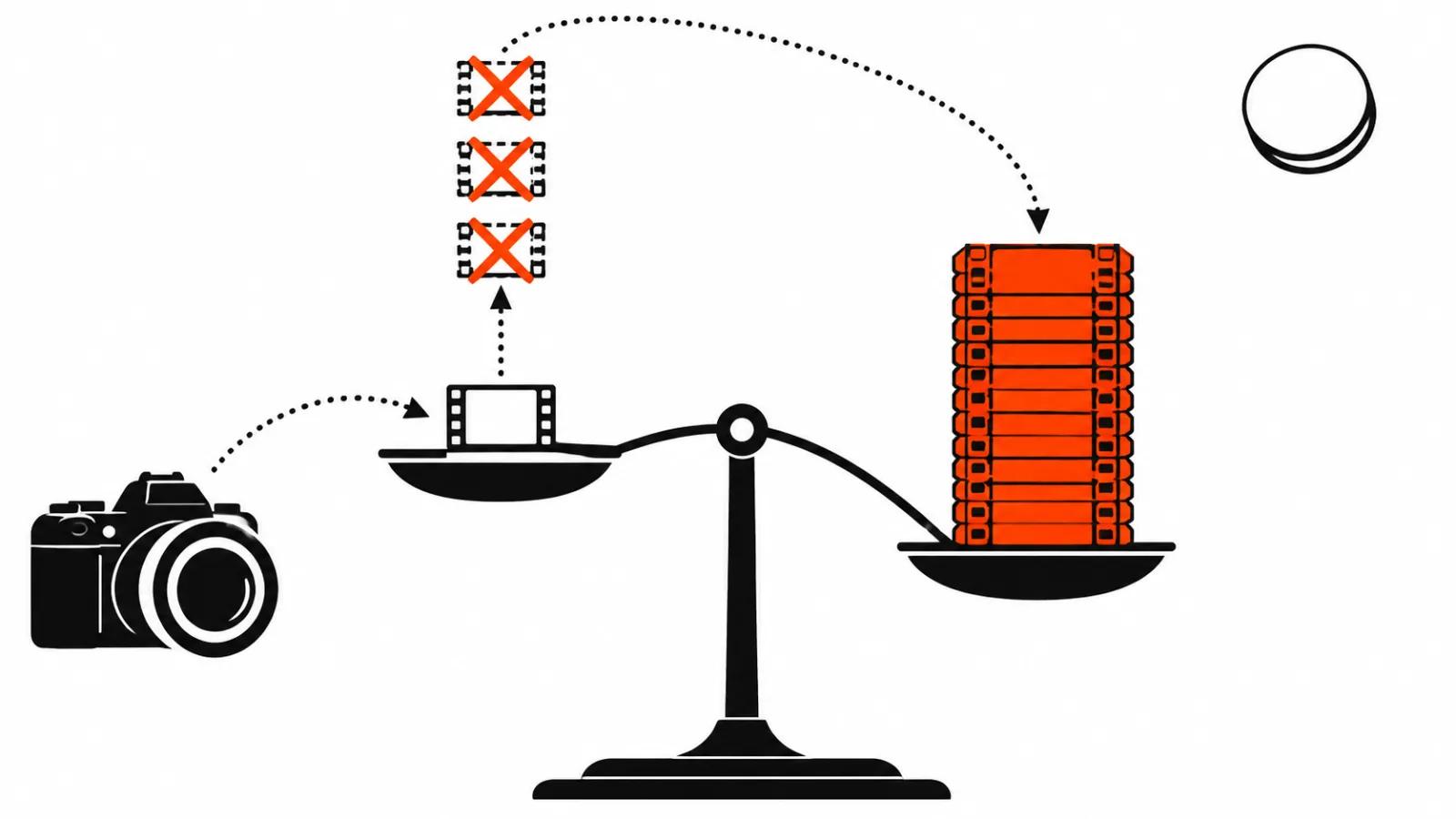
The first weak spot is character consistency. The face holds inside one shot and drifts across a cut twenty seconds later: the nose changes shape, the skin tone shifts, the hair moves. Building each shot against a face reference fixes most of it, and every join still needs a look, which on 50 seconds means five to seven joins.
The second is body language and camera. Motion control is allowed, and that reads as a hint from the organisers: movement is set separately while generation handles the frame. A slow push through a room comes out more reliably than a demanding acting beat with hands in it.
The third is sound. Live voice-over is permitted, so a monologue can be recorded and does not have to fight synthetic intonation. For microdrama a human voice usually wins: it carries the drama, while an even synthetic read flattens it.
The fourth is subtitles. The English version has to run without them, and a habit of burning captions into every cut becomes a formal failure here.
The fifth is the last beat. The final five seconds carry the whole load: a question left open, a look into the lens, a line cut in half. End the episode on a full stop and the jury sees a short film instead of episode one.
What this means for a client
The contest rules describe exactly what a series buyer asks a vendor in the first meeting: who the lead is, what holds the world, how episode one ends and what episode two costs. When a project is built as AI video production from a script, those four answers get written before any generation starts, otherwise a whole scene goes back for a redo.
Second point, about scale. The Chinese vertical drama market already runs past 550 thousand microdramas, and a pilot there is an ordinary unit of trade. On the western side a contest like this is still rare, which is why the jury bar sits below festival level: they judge the idea and the ability to continue it.
Entry here is free, so a pilot is sensible to build alone: fifty seconds need a script, a face reference and a recorded voice, and nothing a crew would bring.
The odds deserve a line too. Forty prize places against a community of about a thousand creators is a decent hit rate, and for a newcomer it is a rare chance to get notes from producers. The 80 second ceiling removes heavy production from the equation and leaves the idea, and at that length a judge sees the whole script with no allowance for scale.
My conclusion
I would send a series built in three days: eight to ten shots, one lead, one location, a recorded voice and a hook at the end. A costly frame does not rescue a pilot, because the story engine is what gets scored.
For a client this is a ready acceptance checklist: running time in range, the character holding steady, an ending that promises more, rights signed to the creator. Our handcrafted videos start at 190 dollars, and for a contest pilot that route is usually cheaper than extra generation passes.