A video token is a scrap of the frame
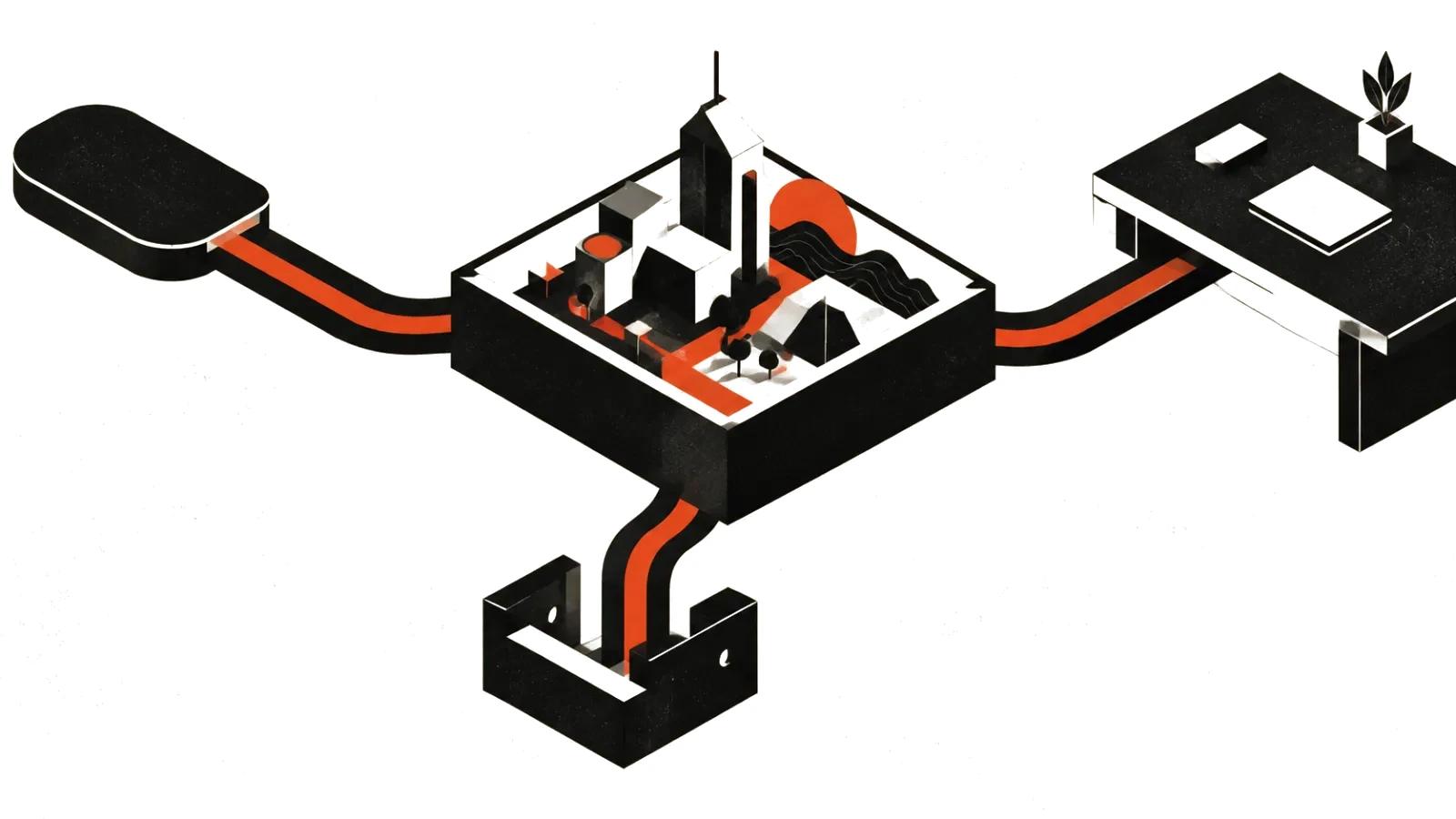
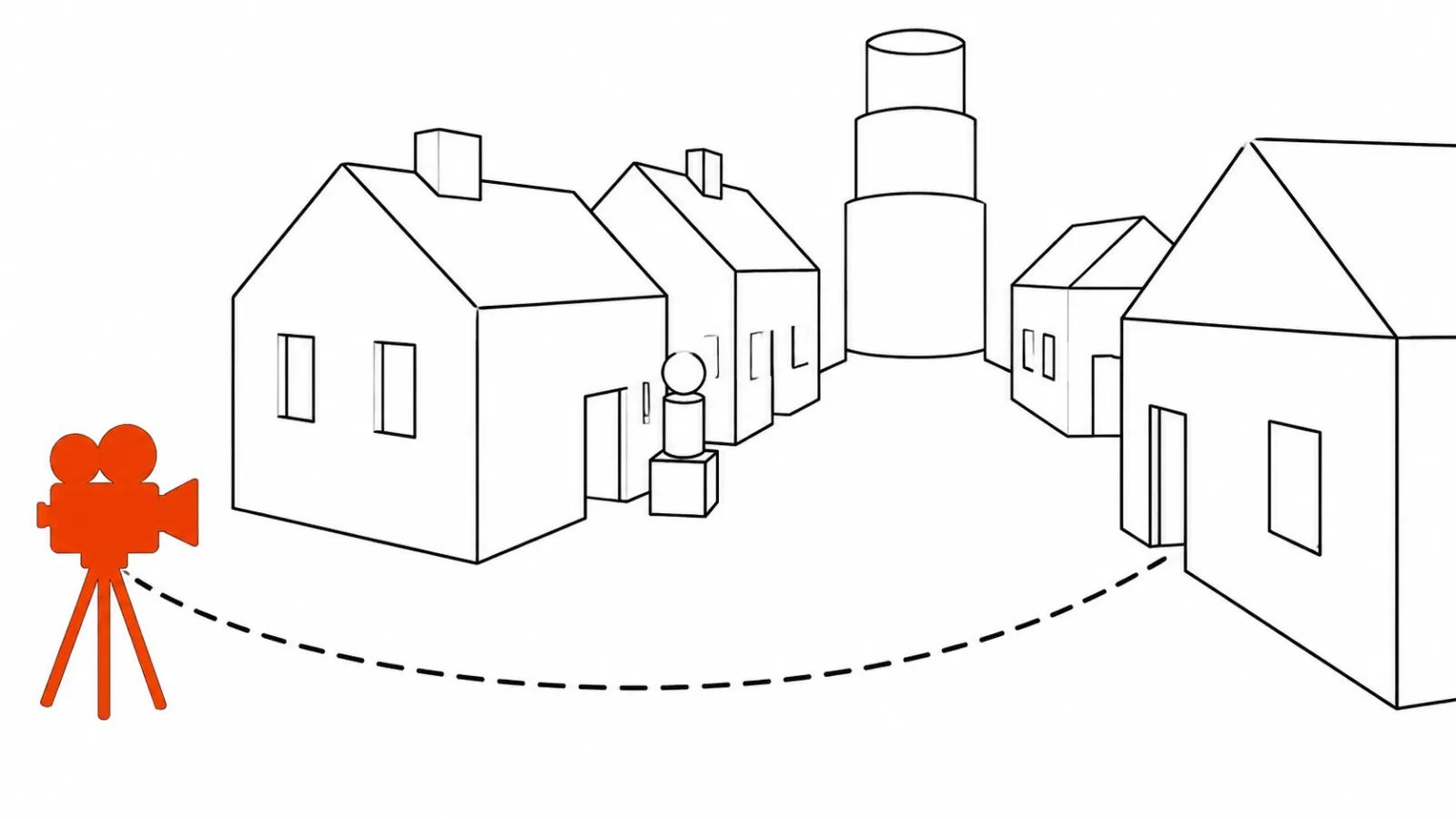
A video model does not paint pixels one at a time. It holds a compressed representation of the clip, the latent, and cuts it into small pieces across the frame and across time. Each piece is a video token. In a text model a token is a fragment of a word. Here it is a fragment of an image that lives for a few frames and drags its neighbours along.
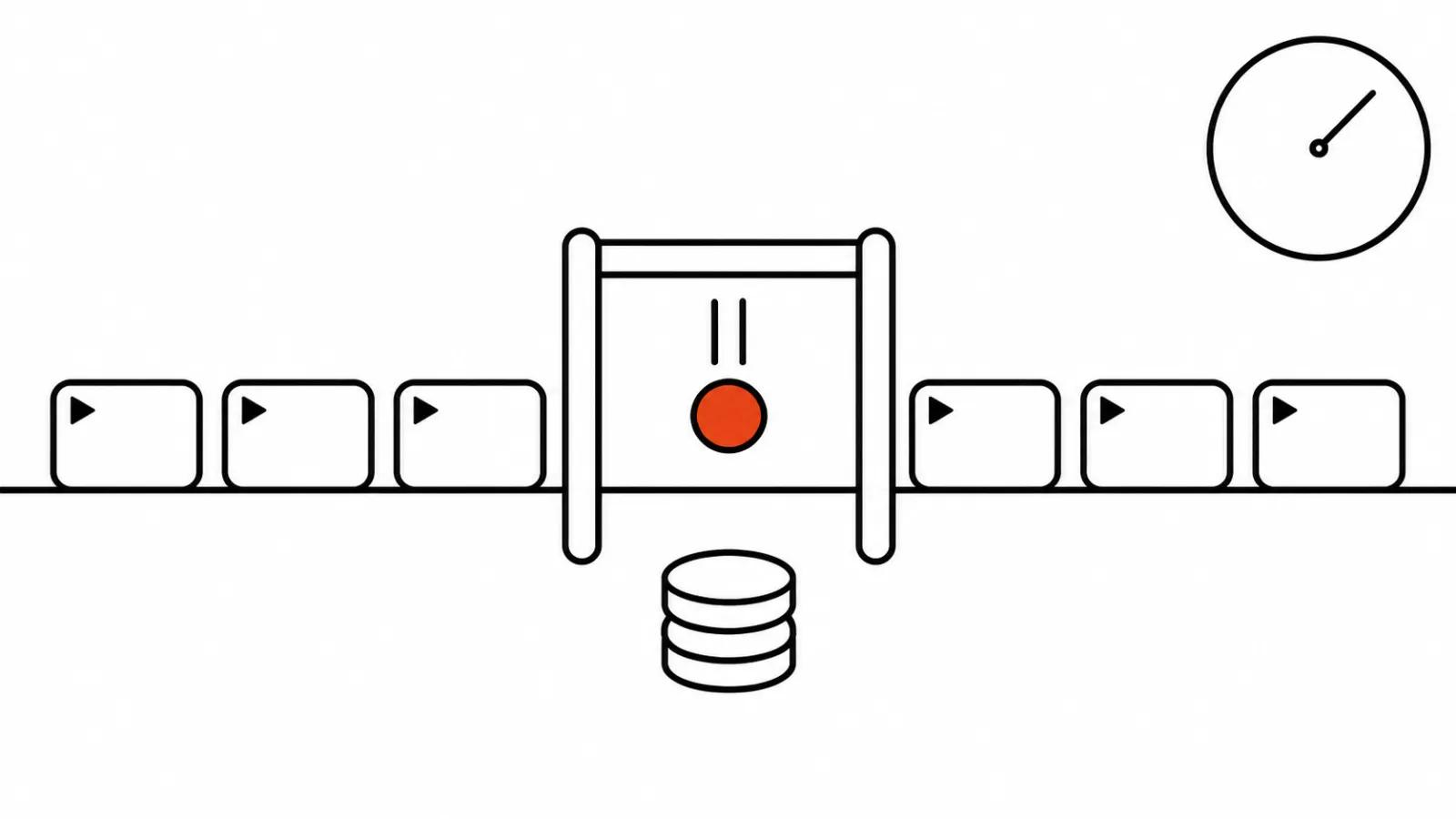
The API bills for those pieces. Resolution decides how many you get across the frame, length decides how many you get across time, and input video adds a second stream on top. That is the whole spread in pricing: a five second scene can cost three yuan or thirty with nothing changed but the output settings.
How AI video generation works: pieces and attention
Two things are worth keeping in mind. First, the latent compresses the frame, so there are fewer pieces than pixels, and they still count and still cost money. Second, the attention layers compare pieces with each other so that light, shadow and motion stay linked from frame to frame. Every piece looks at its neighbours, and the number of comparisons grows faster than the number of pieces.
One practical consequence. You pay for coherence. The larger the frame area and the longer the scene, the more pairs the model has to check, and the longer the render runs. Pixels are only the input. The bill builds up on reconciliation.
Why 4K costs more: Seedance 2.5 numbers
Volcano Ark bills Seedance 2.5 in tokens: 31 yuan per million tokens in 4K without input video, 19 yuan with it. Then the arithmetic on a five second 16:9 clip: about 30.13 yuan in 4K, about 18.71 yuan in 1080p, about 3.36 yuan in 480p, per the Ark price list of November 16 as reported by AIHub. One finished 4K take bills like nine drafts in 480p.
The step from 1080p to 4K is gentler than the step from 480p to 1080p. About 1.6 times against 5.6 times. Counted in pixels, 4K carries four times what 1080p does, and the price list adds less than that. The vendor has its own tariff grid and its own rounding, so the theoretical curve and the invoice part ways. For a client that is good news: 4K costs more than 1080p, and nowhere near four times more.
I went through the Seedance 2.5 price breakdown on the day the API opened, limits and modes included.
What a second costs on Google: Omni 1.2 Flash
Google counts differently, in video tokens, and the numbers are worth keeping for comparison. According to the RCTV summary of November 16, Gemini Omni 1.2 Flash spends about 8,688 tokens per second of 1080p video at 12 dollars per million. That puts a second of 1080p at roughly 10 cents. In 720p the Google blog of November 5 quotes about 7 cents per second.
Comparing those numbers to the Chinese price list directly makes little sense: different currencies, different rounding, different output lengths. The one shared rule: everyone bills for seconds and resolution, nobody bills for how good the frame looks.
Why length and input video add to the bill
Length acts as a multiplier. Ten seconds at the same resolution means twice the pieces along time and a bill to match, with attention adding its pairs on top. That is why a minute of 4K rarely fits a budget built on a five second test.
Input video becomes tokens the same way. The per token rate is lower there, 19 yuan against 31, and that looks like a discount. It is not one: you pay for two streams at once, the reference and the result, and the longer the reference the bigger the invoice. The same pattern shows up across the market in our November 2026 cost per second roundup: video on the way in almost always raises the price on the way out.
What this means for a budget: cheap tests, expensive finals
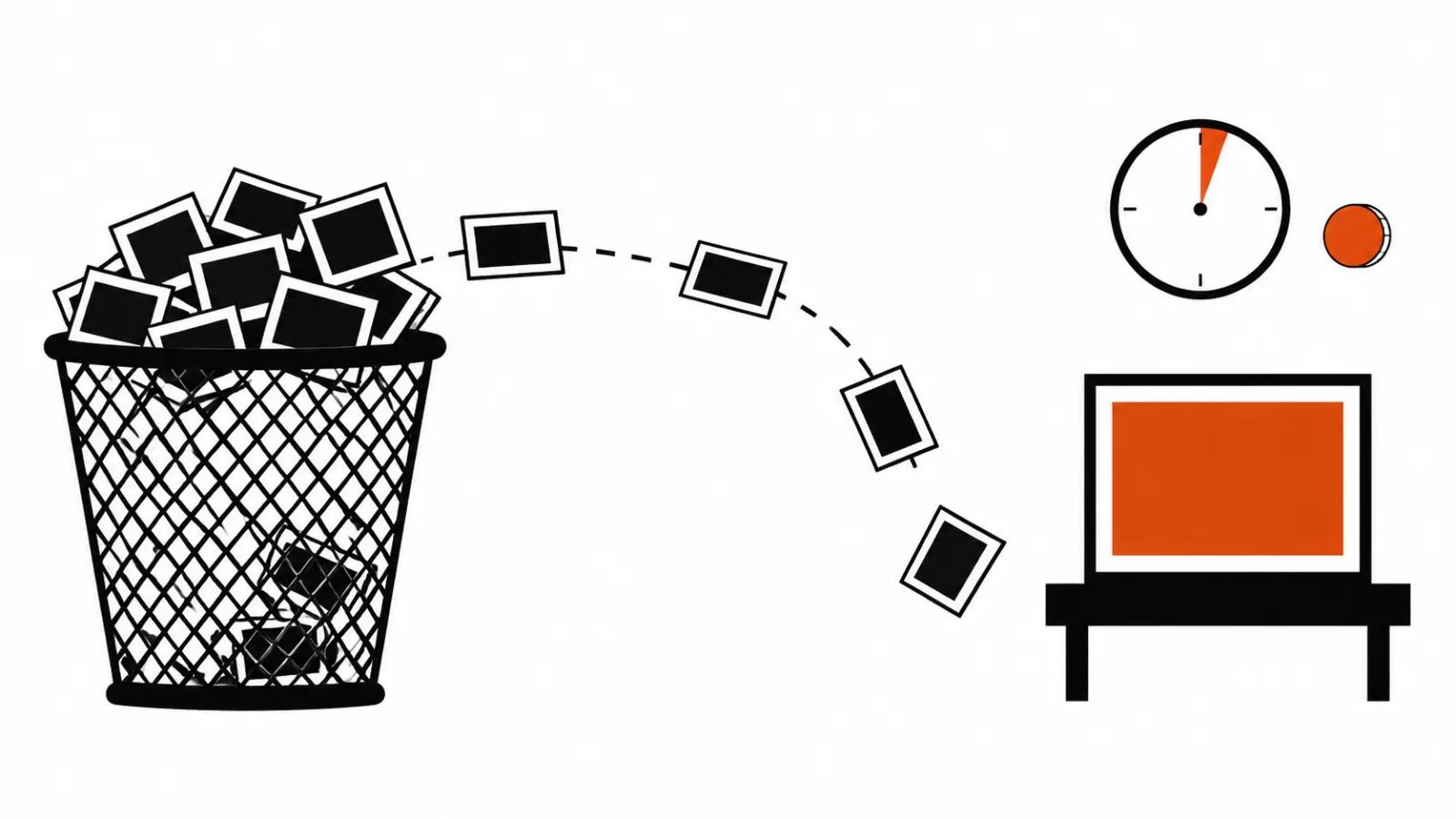
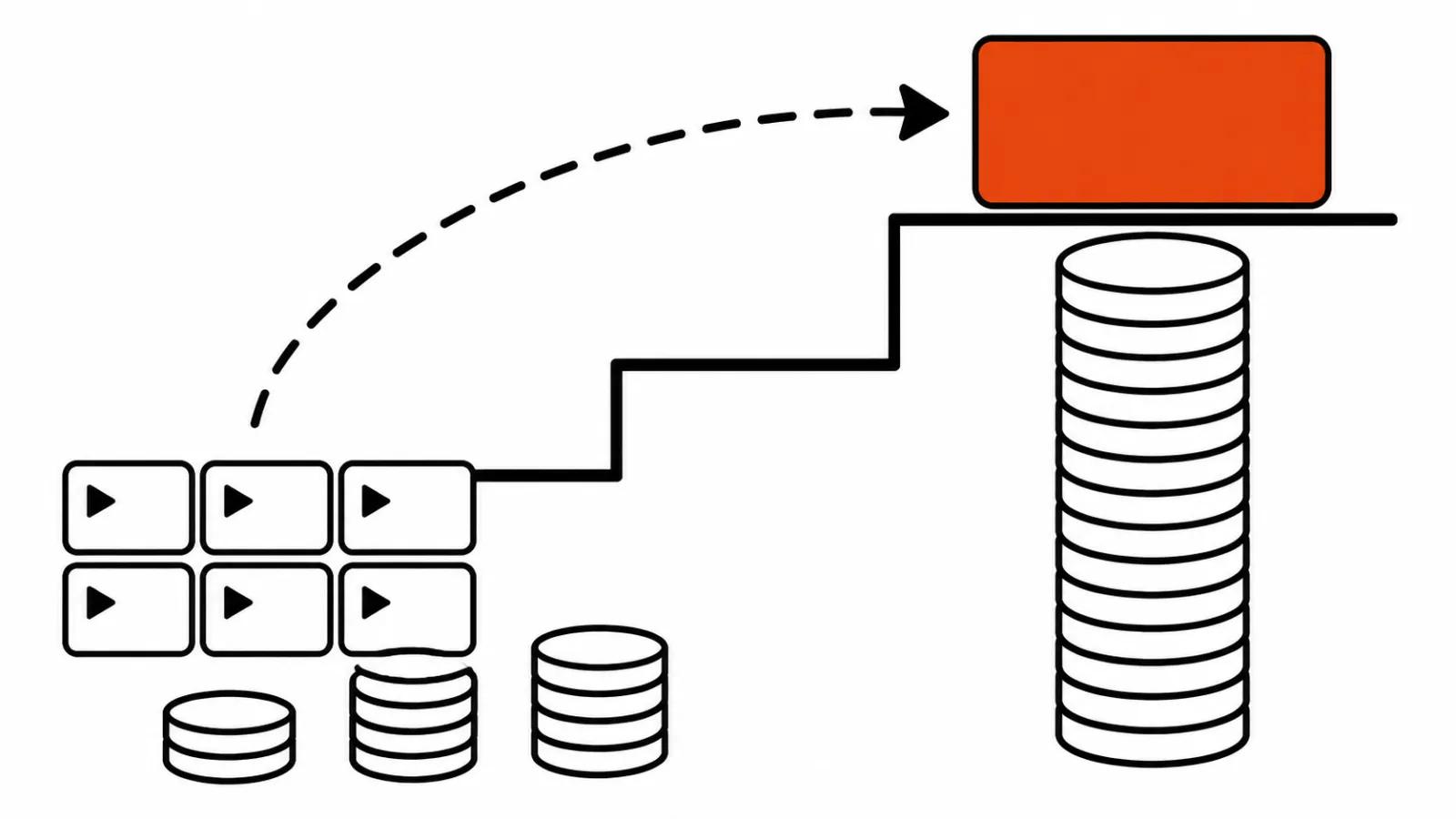
The routine is simple. Twenty takes of five seconds in 480p come to about 67 yuan. The same twenty in 4K come to about 600. Nine times the money, and none of it should be spent on frames that never reach the edit.
So the order is: a 480p draft of the whole script, selection on the timeline, then the chosen scenes rebuilt in 1080p, and only then the 4K final for the shots where detail actually shows. AI video production works this way in practice, resolution climbing as weak takes fall away. When a shot has to land on the first pass with no rebuild, handcrafted videos cost less, because a person owns the light, the composition and the edit.
One more saving that is easy to miss: cut length instead of stretching it. Five seconds in 4K and ten seconds in 1080p can cost about the same, and the second option often cuts better, since it leaves material to work with.
My take
Resolution multiplies the bill. Quality stays roughly where it was. 4K costs more because there are more pieces and linking them takes longer. It pays to remember the difference: the money goes into coherence, and the number in the mode name is just a number.
My order of work: script and tests in 480p, selection, then resolution. Anyone paying for 4K from the first take is paying final cut prices for drafts.