Why a cat carries a channel
A cat removes half the work. The viewer needs no context, no language, no backstory: they see a face, a posture and a situation, and two seconds later they know what is happening. That is rare. A drama or an office comedy has to be explained first.
The second effect is reuse. One character carries unlimited scripts without a new design or a new palette, and the cost per episode falls as the library of scenes and reactions grows.
Made for kids changes the rules
A large share of cat content is aimed at children, and that single decision rewrites the production plan. If kids are the primary audience, YouTube requires you to mark the video as made for kids. The requirement comes from an agreement with the US Federal Trade Commission and from COPPA.
The consequences are concrete. Personalised ads are switched off, comments are limited, and the native A/B test for thumbnails and titles is not available on videos marked as made for kids: YouTube's own help page lists that restriction. The cover and headline get chosen by judgement.
The second side: a kids series has to be predictable. Same character, same length, same rhythm, no joke that frightens. A parent starts the clip as background, leaves the room, and the child stays with the character.
One cat across a series
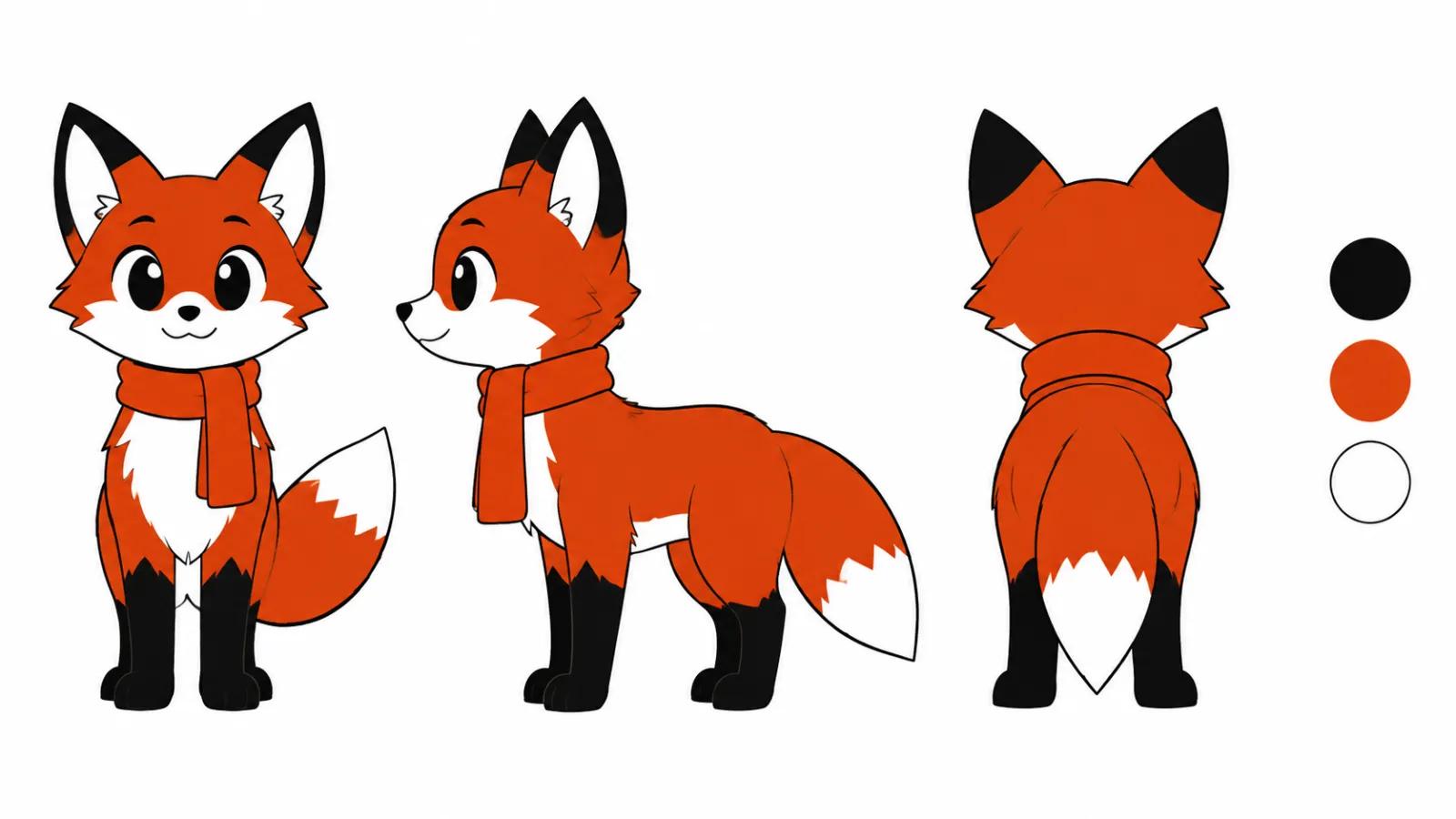
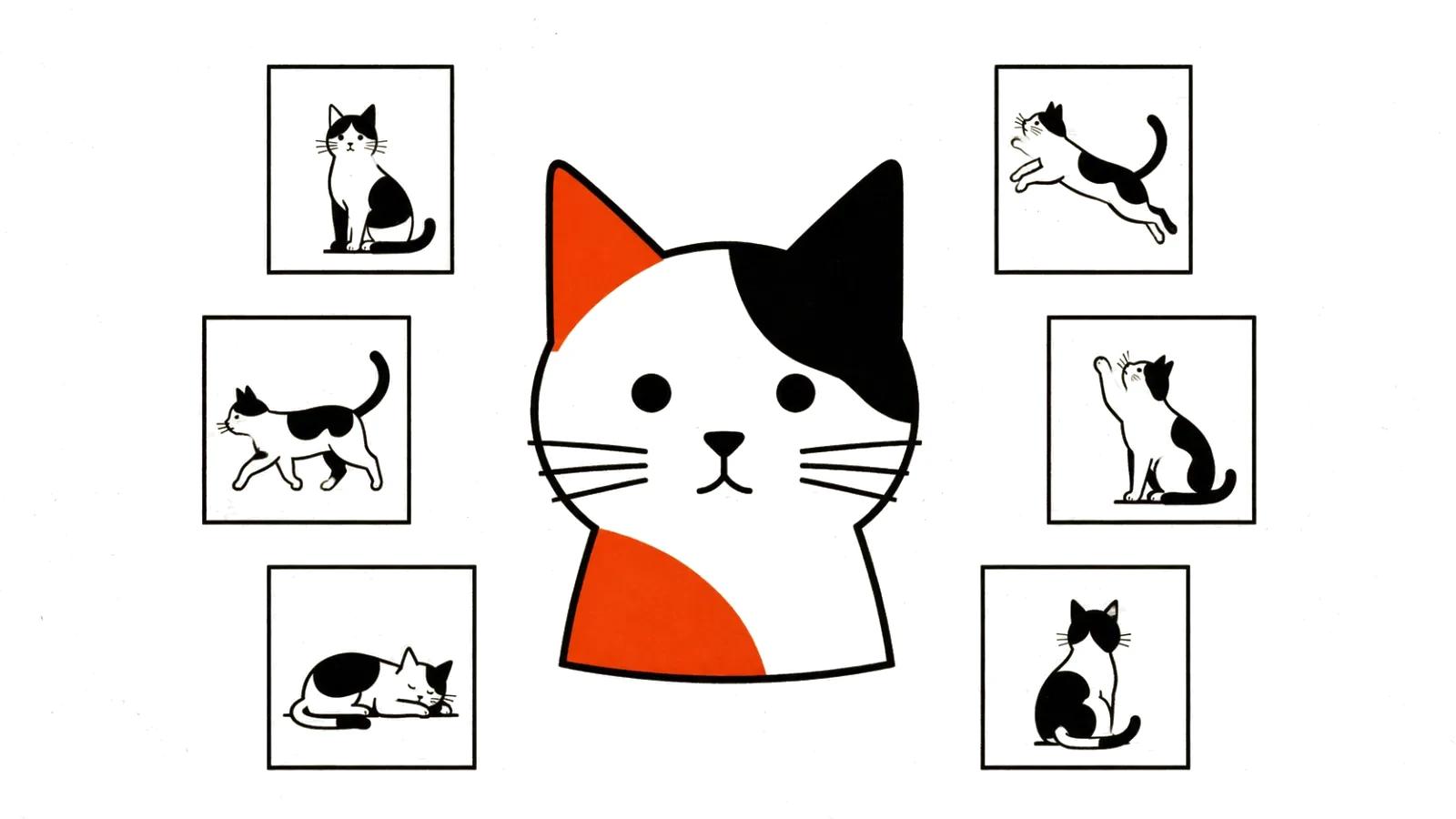
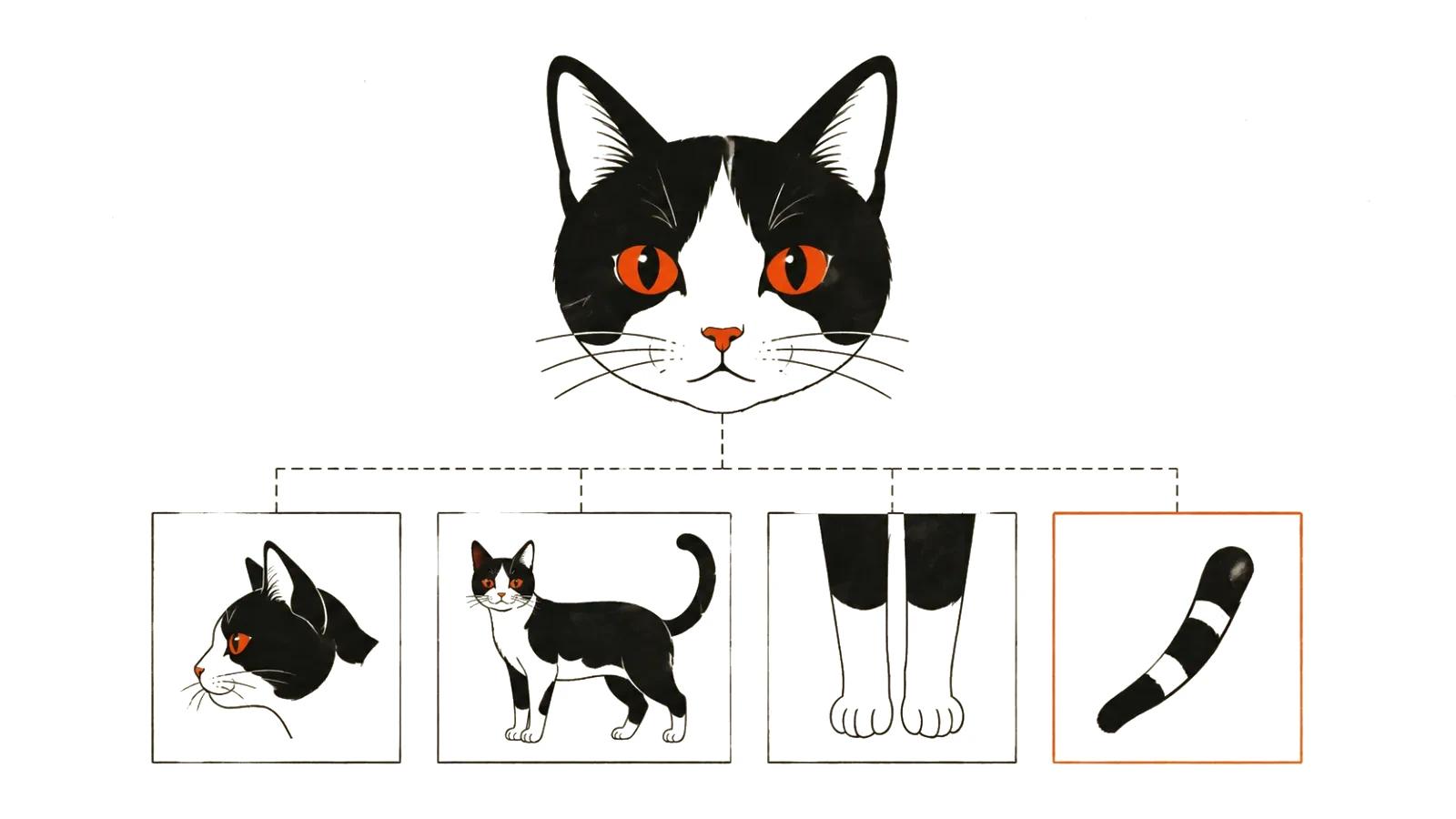
I would spend the first day on the character. Scripts can wait. What you need is a character sheet: breed and coat, ear shape, eye colour, and one detail that makes the cat recognisable, such as a patch, a scar or a striped tail. Write it down once and freeze it for the project.
Then references: face front on, profile, full body, paws, tail. Five is usually enough for simple scenes. The test: generate five scenes from the same description and check whether you get the same cat or a cousin. If it is a cousin, split the description and add details one at a time.
The model matters less than people think. A good character sheet travels across platforms. A bad one has to be rebuilt.
Episodes first, channel second
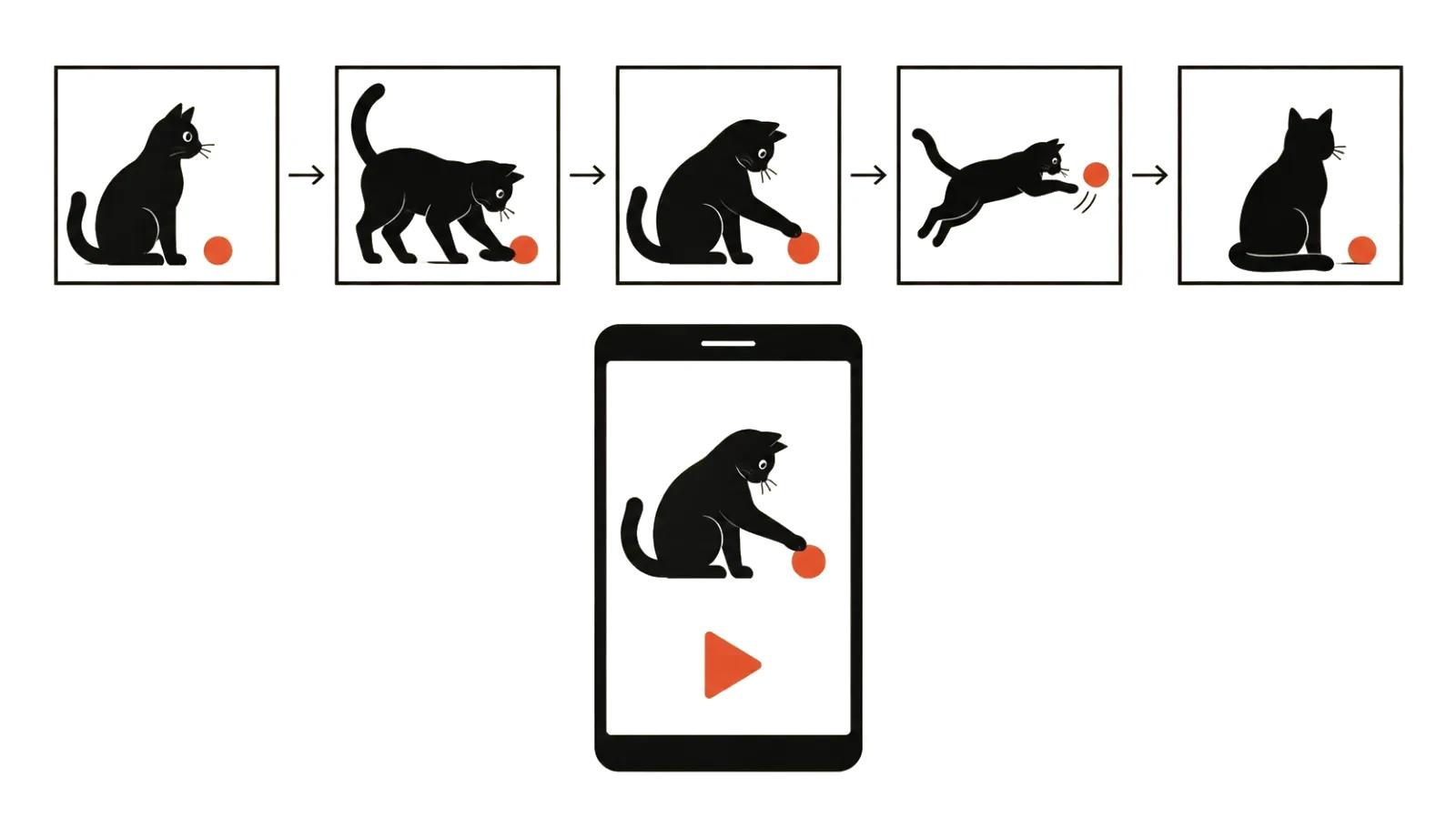
The easiest format to sustain is a 15 to 25 second episode: one situation, one gag at the end. Ten of those assemble into a three to five minute compilation, and the same clips work as Shorts.
The structure is plain. The first two seconds establish place and mood, then escalation, then a reaction. The cat should never explain the joke out loud: expression and posture do that better than a voice line.
Production turns into a conveyor quickly. What decides growth is the calendar: weekly episodes bring viewers back, monthly episodes make them forget the character. An automated YouTube channel is an honest version of that model: formats described in advance, templated scenes, a schedule you can keep. If views stay flat, work through the causes in order before generating anything else.
Where cat clips travel
Vertical frame, sound on, no logo on the first frame. Shorts, TikTok and Reels are the cheapest entry because the episode does not need repacking into a long form.
Platforms reward different lengths. TikTok tolerates 15 seconds and hard cuts, YouTube prefers around 30 seconds with a clear ending, Reels holds a loop well. Cutting one episode for each is normal practice when the first frame and the caption change with it.
Then comes the careful part. The model that makes money is short-form video at scale: ten accounts, a hundred episodes, and platforms that have become good at spotting identical files. That is where video versioning earns its name, since separate accounts should not compete with one file, and honest versioning means another cover, another opening frame, another cutting rhythm. The same export everywhere is how channels lose reach.
Rights, music and AI labels
A breed is not protected; a specific drawn character is. A cat resembling a famous cartoon hero is a bad idea: similarity is judged in favour of the rights holder.
Music is the second trap. TikTok's rules say you post only what you have the rights to share, and unlicensed content gets removed. Licence one track properly: platform libraries do not always travel between platforms.
The third detail is labelling. YouTube requires disclosure when generative AI makes realistic content: a real person saying something they never said, or a real scene that looks different. An obviously cartoon cat does not need that disclosure: the help page lists non-realistic content among its examples. TikTok asks creators to label realistic-looking AI scenes, so a cat rendered to look photographic is worth marking.
Since July 15, 2025 YouTube's monetisation rules name "inauthentic content" and exclude mass-produced or repetitive videos from earning. A hundred near-identical cat slideshows is the pattern that rule targets. Character work keeps a series on the right side of it.
What a series costs
Doing it yourself, the main cost is hours. A generator subscription is small next to the time spent fixing a tail, a paw or a blink.
Ordering it, the benchmarks are these: handcrafted videos start at $394 per clip up to 90 seconds, volume formats are priced per view at up to $2.47 per 1000 views, and running a channel starts at $200 per month. A recurring cat series almost always lands in the handcrafted category, because every episode carries a character, a storyboard and sound. If you want one fixed hero across many episodes, cartoon production as a service is built for exactly that, and the price per episode drops once the base scenes exist.