Where an AI influencer project actually starts
Most projects start with a picture: a likeable character who talks to camera. That takes an evening. The channel usually dies within a month, because the character exists and the reason to return does not.
Start with the question of why a viewer comes back. There are only a few answers: usefulness (explains, demonstrates, saves time), personality (it is enjoyable to spend time with), or rhythm (it shows up on schedule). A character without one of those stays a technology demo.
From there the build goes in layers: persona, consistency of face and voice, content plan, production loop, platforms, disclosure. Each layer breaks everything beneath it when done carelessly.
Persona: what the character decides
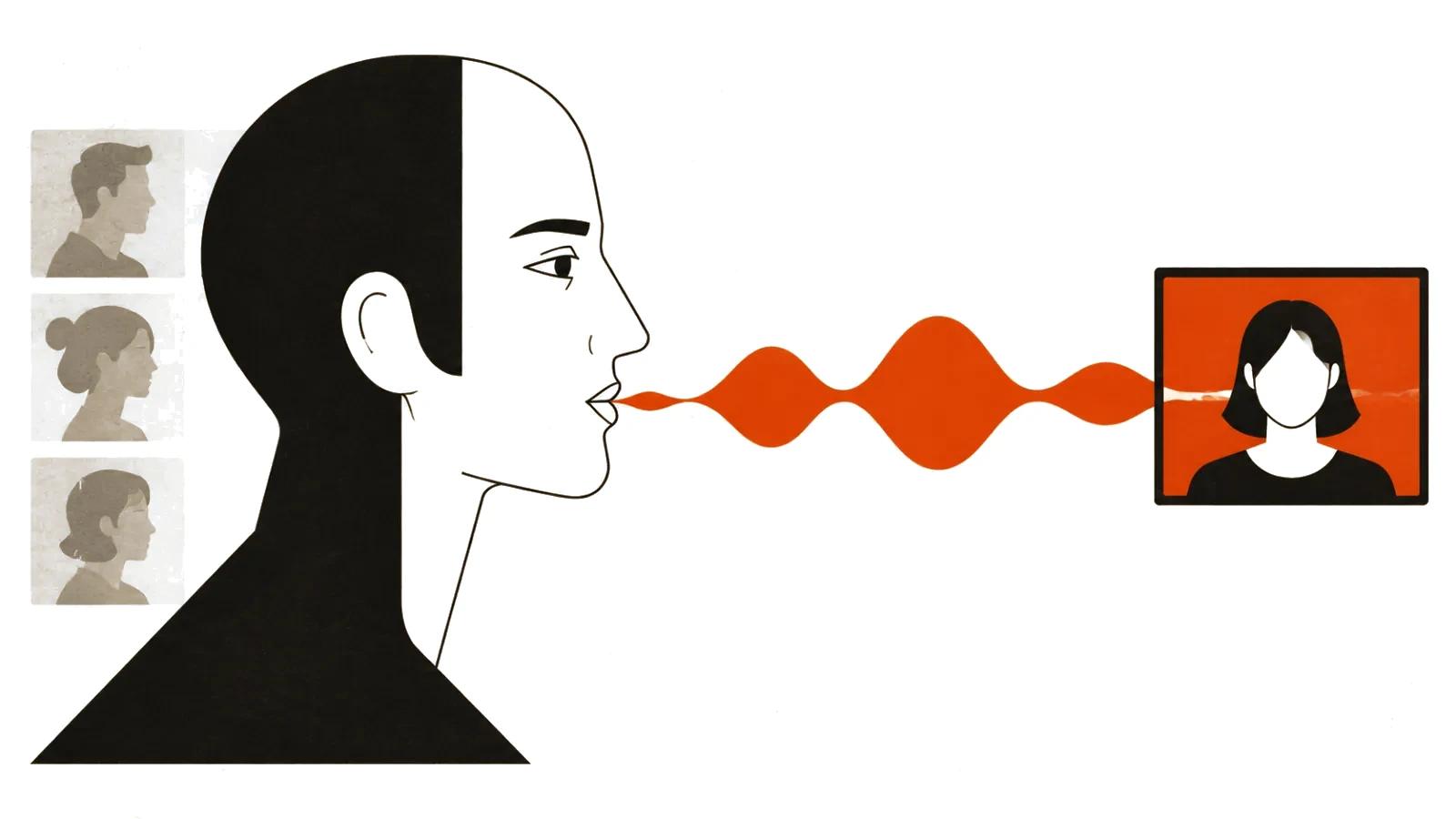
A persona is more than a face. It is age, profession, manner of speech, vocabulary, attitude to the subject. Viewers read all of it in the first seconds and then expect consistency.
Pick a persona you can sustain. A narrow-topic expert is simpler than an ordinary person with everyday stories: the expert can deliver facts and breakdowns, while the "ordinary" character needs plots, emotion, and context, where any false note shows.
Then decide on realism. A photorealistic face earns more trust and punishes lip-sync errors harder. A stylized character forgives artifacts and scales more easily across formats. The technical side of a synthetic face is covered in a separate guide to AI avatars.
Keeping the face and voice identical
The core technical problem is that the character must not change between videos. Face, hair, clothing, timbre, pace of speech — any drift destroys recognition, and recognition is what subscription is built on.
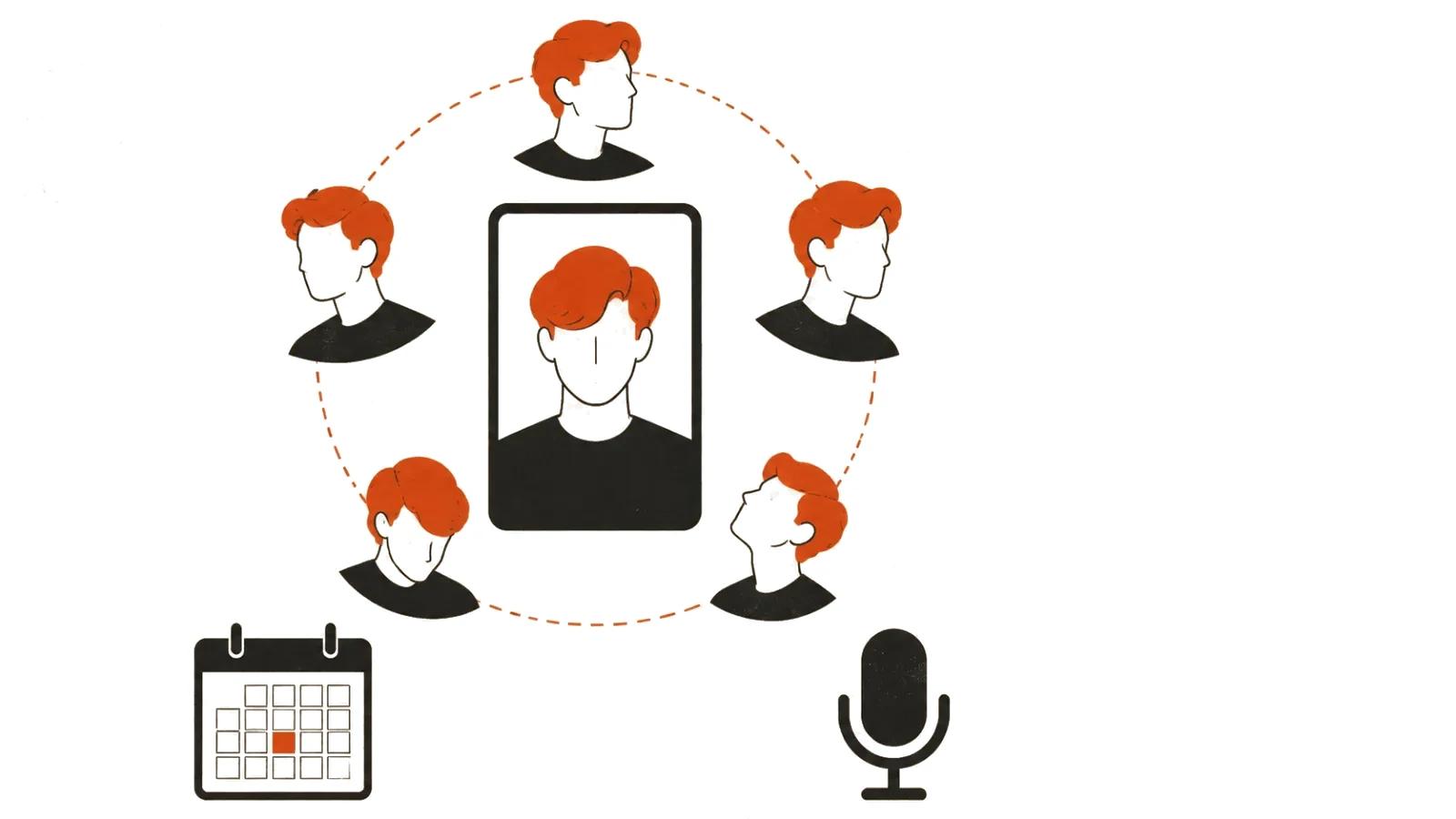
The fix is references. Build the character once: a set of anchor images from different angles, in different light, with different expressions. Every later generation runs from that set rather than from a text description of appearance.
Voice is locked the same way: one synthesized voice, fixed pace and pitch, used for every video. Switching voices "to fit the mood" is not allowed — audiences recognize a channel by sound as reliably as by face.
For complex scenes a 3D base helps: one head model that gets rotated and lit instead of a face regenerated from scratch. More expensive at the start, cheaper to maintain.
Content plan and production loop
A human creator's plan orbits a personality; a synthetic one orbits a format. The format sets structure: rubric, length, block order, delivery. Inside the format, only the content changes.
A workable start is three rubrics. One answers frequent questions in the niche. One covers news or new releases. One shows application: a test, a comparison, a how-to.
Frequency beats the quality of any single video. A channel posting three times a week at consistent quality grows faster than one with a brilliant video once a month.
Scripts for a synthetic character run shorter than usual: 120 to 150 words per minute, short sentences, no complex clauses. Synthesis reads evenly, and long periods turn into monotone.
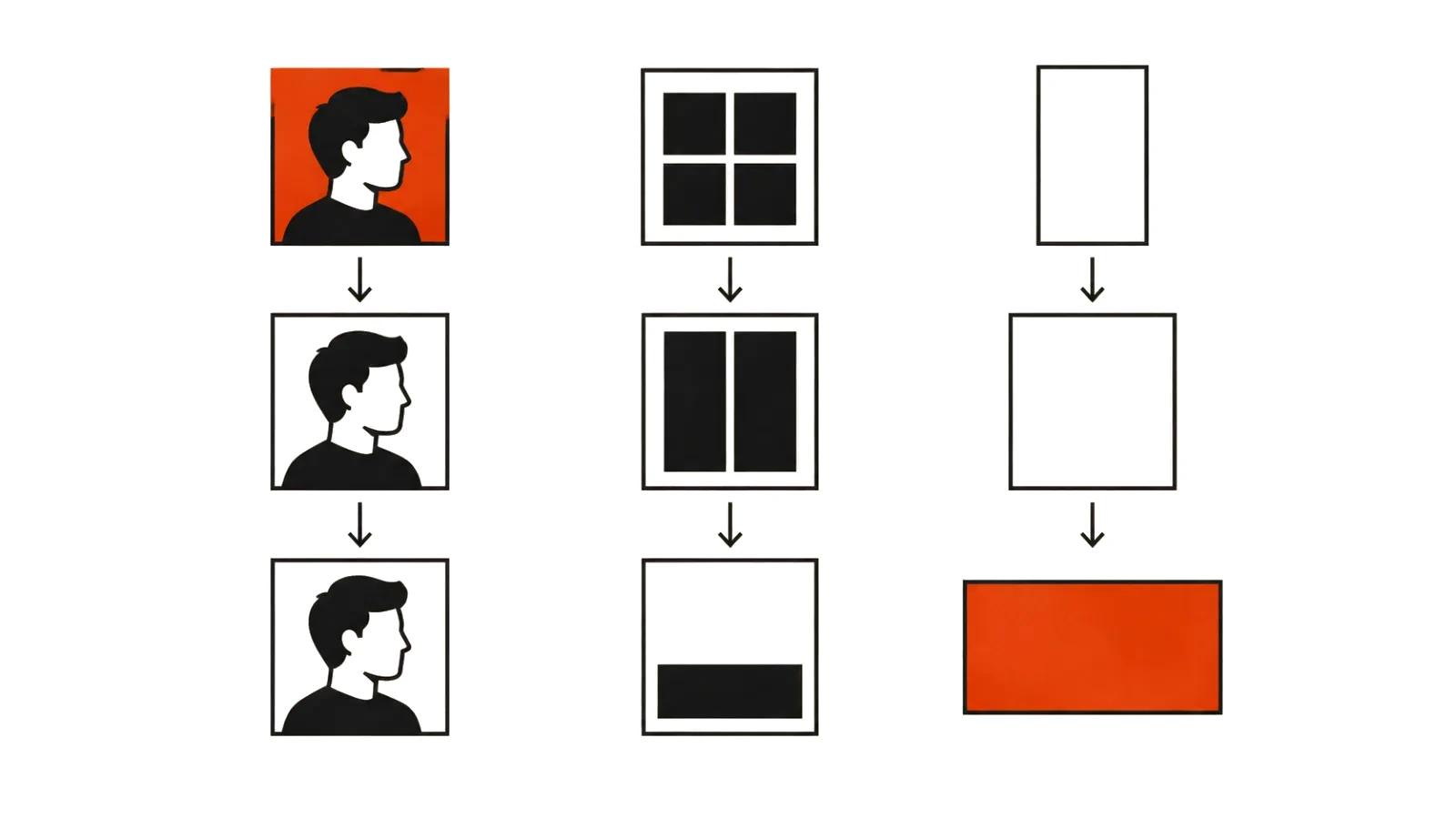
The loop is built once and then repeats. Scripts are written in a weekly batch. Voice is generated in a batch. Video assembles from a template: intro, close-up, inserts, captions.
Batch work is where the gain comes from: one run for ten videos instead of ten separate launches. Template errors get fixed once and apply to the whole series.
In one household-goods project, this approach produced a channel with an automated presenter holding roughly 150,000 monthly reach. The model was not the secret; the format was, because it never changed and viewers knew what they would get.
Platforms and formats
Vertical platforms ask for one thing: a point within the first seconds. Horizontal YouTube lives longer and allows a subject to develop, but it demands retention across minutes rather than seconds.
An AI YouTube channel is a format of its own: thumbnails, titles, length, and retention structure matter as much as the video. For a synthetic character that is convenient — several videos a week with no shoot day.
Short formats build reach, long ones build trust and clicks. Most channels work as a pair: shorts bring people in, long videos keep them.
Disclosure and platform rules
Platforms require synthetic origin to be disclosed when realistic content is involved. On YouTube that is an upload setting; on TikTok, realistic scenes and people must be labeled, and unlabeled videos can be restricted or removed.
Rules change, so check them before launch rather than after. The practical minimum is to state in the description that the character is AI-generated, and never present it as a real person in personal stories, testimonials, or endorsements.
Trust deserves separate thought. Audiences accept a synthetic expert who does not hide what it is, and punish a character that poses as human and gets caught in inconsistencies.
Risks and limits
The first is sameness. After twenty videos, viewers notice repeating intonation and sentence structures, and interest drops. The cure is variation inside the persona: new rubrics, other locations, guests.
The second is service dependency. The model behind the character can change terms, raise prices, or shut down. You need a plan: where references live, what replaces the generator, how fast the voice can be rebuilt.
The third is rights. A real person's face and voice cannot be used without consent, and a celebrity likeness cannot be used without rights. The character should be fictional or built specifically for the project.
The fourth is advertising trust. If the character recommends everything, the audience stops believing any recommendation, and the channel loses its main asset.
The economics of running the channel
Mass vertical videos are priced per view — $2.47 per 1,000 views (CPM) — and that is the main route for a regular channel: template, batch voice, many versions.
Handcrafted videos belong to flagship episodes and paid integrations where precise facial work and editing matter: from $394 per video up to 90 seconds, about a week.
Measure cost per subscriber and per view rather than cost per video. A channel that publishes cheaply and regularly almost always beats an expensive, rare one.