AI avatar: a plain-English definition
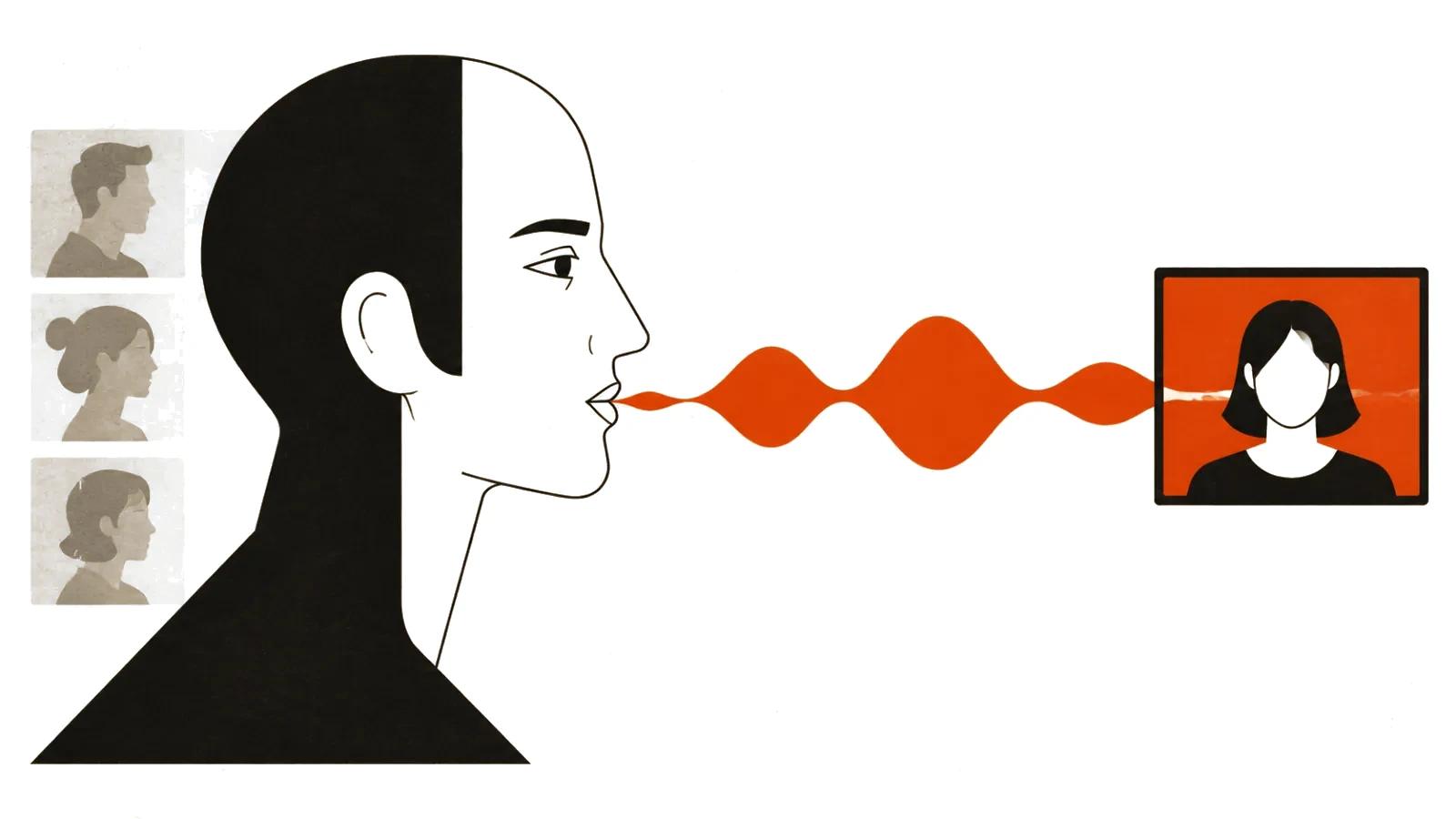
An AI avatar is a generated character that moves and speaks in a video from a given script. It can be a likeness of a real person, created with their consent, or a fully fictional character who does not exist in real life.
Digital avatar is the broader term. It covers a 3D character in a game, a profile picture and a virtual host. In video it usually means a talking character: face, expression, voice and lip sync.
The key difference from ordinary video generation is consistency. The avatar has to look the same in every video, speak in one voice and stay recognizable to the viewer. That is why it is built in the first place.
Types of AI avatars
The choice depends on the job. Training staff fits a likeness of an expert; feed ads often fit a stylized character; a social channel fits an AI blogger with a recognizable personality. In vertical video ads the stylized character is the usual pick: it is easier to keep recognizable on a small screen.
- A likeness of a real person: founder, expert, employee. Built from video footage and a voice sample, and only with written consent.
- A fictional host: a photorealistic person who does not exist. Needs no rights to anyone else's face, but also carries no personal reputation.
- A stylized character: a cartoon figure, a brand mascot, an animal narrator. Works well where photorealism feels wrong.
- An AI blogger: an avatar with its own story, personality and publishing schedule.
How to create an AI avatar
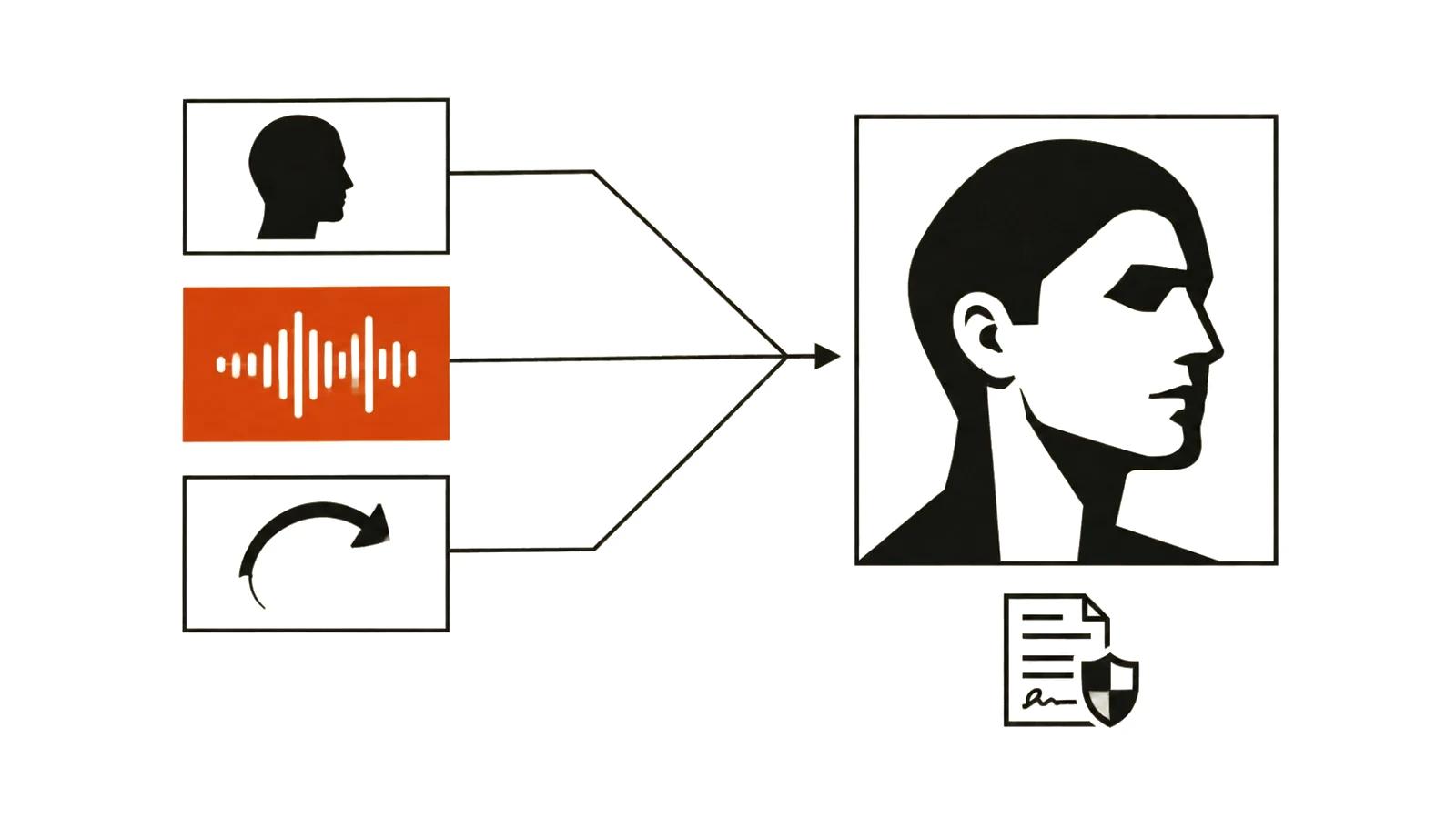
The process has three parts: appearance, voice and behavior.
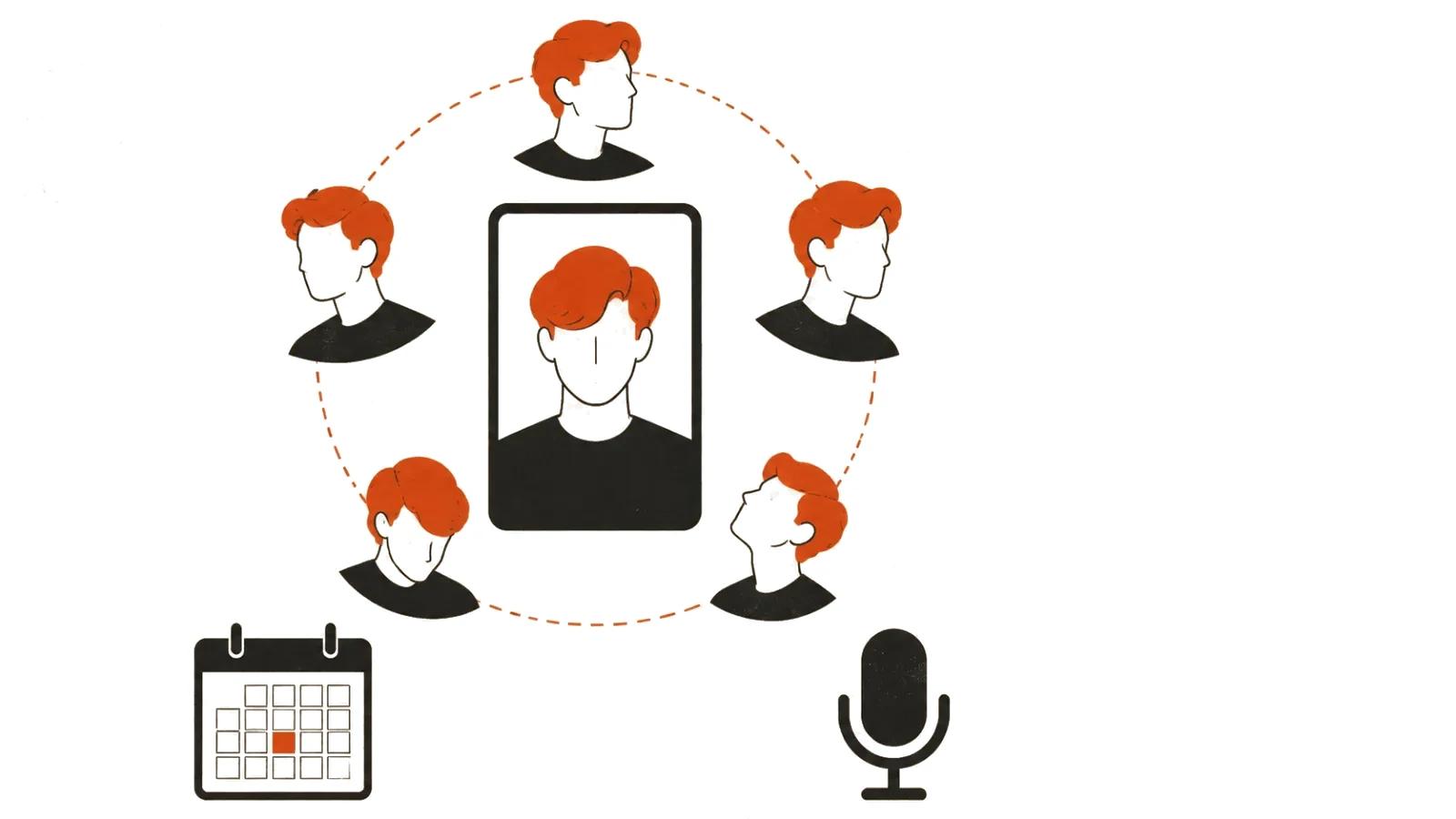
Appearance comes from source material. A likeness of a person needs a well-lit video: face straight on, a plain background, several minutes of speech. A fictional character starts from a set of generated images, from which one face is chosen and locked with references.
Voice is either a stock synthetic voice from a library or a clone of a real person's voice from a speech sample, again only with consent. Behavior is delivery: pace, gestures, expression, how the avatar holds the frame.
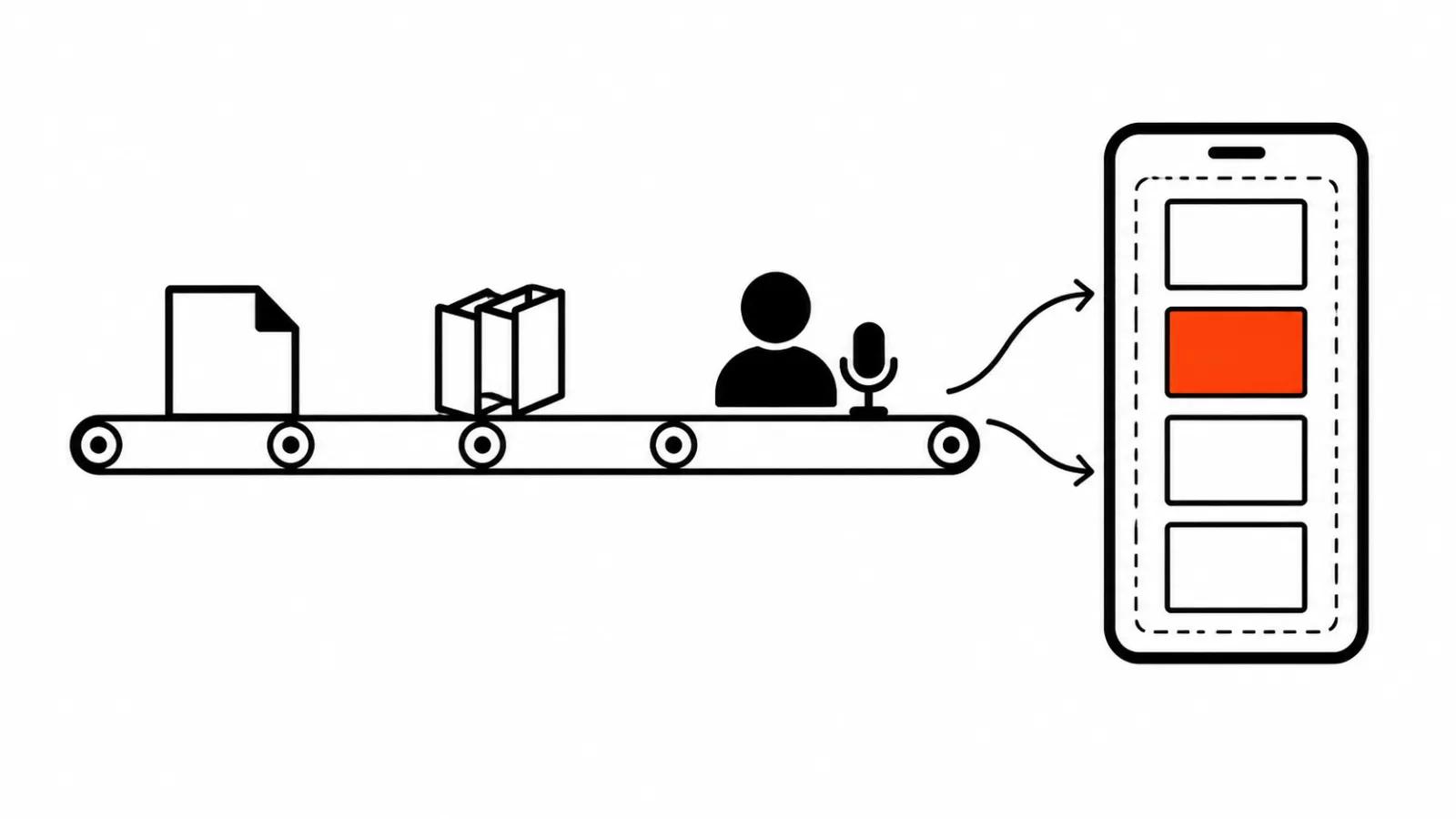
AI video production with an avatar looks like this: script, speech generation, face and lip animation to the track, then an edit with graphics and music. Ready-made tools such as HeyGen Video 1 cover part of that chain, but the script, take selection and edit stay with a person.
Talking avatars for business: where they help
What these jobs share is repetition. An avatar pays for itself where there are many videos with a similar structure. A one-off brand film is simpler and more honest as handcrafted videos, where each scene is built on its own.
- Training and onboarding: one expert records once, then the course is updated by editing the text.
- Support and how-tos: short answer videos for common customer questions.
- Multiple languages: the same host speaks several languages without a reshoot.
- Social media: a regular publishing schedule without a shoot day for every video.
- Internal communications: company news delivered by a leader who does not spend hours recording.
AI blogger: the avatar as a channel
A separate case is an avatar that runs its own channel. That is a character with a personality, topics and a publishing schedule, and the audience follows the character rather than the brand. The format is close to what we call an AI YouTube channel: the format is built once, then videos ship on a schedule.
An example from our work, without naming the client: in household chemicals a fully automated blogger holds about 150,000 monthly reach. That is not a one-off viral spike; it is a steady month-to-month volume.
The secret is not face quality. It is regularity and a character people find interesting. An avatar with no personality that simply reads ad copy gets scrolled past.
Where an avatar does not work
A common mistake is to replace every video with an avatar at once. Better to start with one repeatable format and watch retention.
- Emotional stories that need the viewer to trust a live person.
- Reviews and testimonials: an avatar presented as a real customer is a fake review.
- Long close-ups with no cuts: unnatural expression shows up fastest there.
- Topics where trust matters more than convenience: medicine, finance, law. Here the avatar should be clearly labeled.
Rights, consent and labeling
A likeness of a real person can be made only with their written consent: for the face, for the voice and for the specific uses. Separately, agree what happens to the avatar if an employee leaves the company.
Do not hide the synthetic nature of the video. Many platforms require a label on realistic generated content, and a label rarely hurts interest if the video is useful. Presenting an avatar as a live person who "tried the product themselves" is not acceptable.