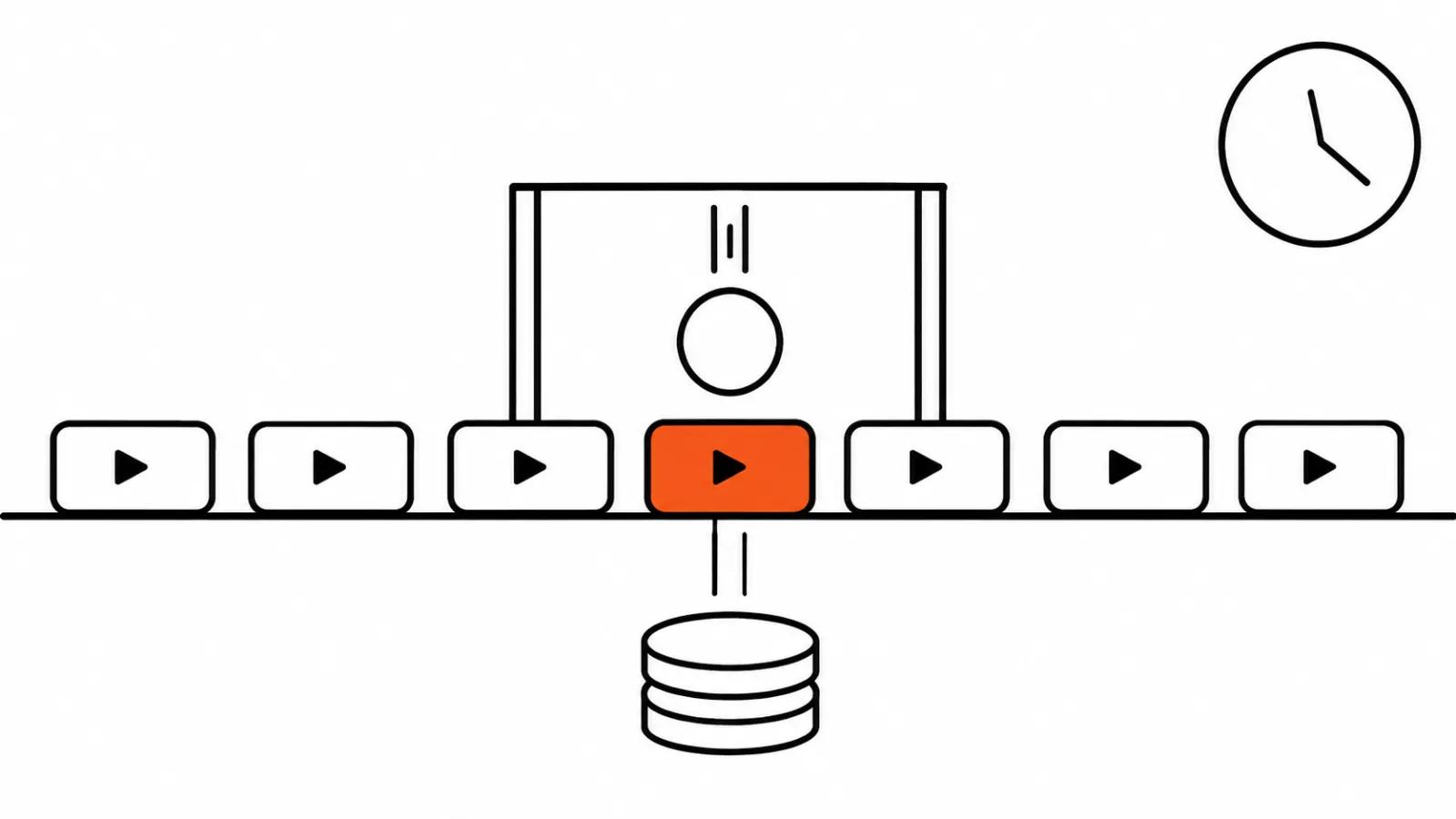
What changed on November 16
On November 16, 2026, Volcano Engine opened the Seedance 2.5 4K API in its Ark cloud and published the price. Until that day 4K lived behind limited access while the rate card only carried 480p, 720p and 1080p. Yesterday's draft mode breakdown ended with an honest line: no price yet, judge by the first invoice. Now the number exists, and the money talk turns into arithmetic.
BytePlus ModelArk carries a Dreamina-Seedance-2.5 4K Is Now Available banner on its homepage, so ByteDance's international storefront confirms the launch too. The figures below come from the Ark pricing page as reported by AIHub on November 16 and TechNode on November 17.
What the model does: clips run 4 to 30 seconds, up to 50 references are accepted (30 images, 10 videos, 10 audio files), color depth is 10-bit, and inference is cloud only. There is no local option, so your own GPU does not help here.
Where the 4K price comes from
Billing stays token based, same as at the lower resolutions. In 4K without input video the rate is 31 yuan per million tokens; with input video it drops to 19 yuan. I convert at roughly 7.2 yuan per dollar, and every sum below is an approximation, because the exchange rate moves while the price list does not.
Volcano Engine's own worked example: a 16:9 frame, five seconds, 4K, no input video. That lands at about 30.13 yuan per clip, roughly 4.2 dollars, which is about 6.03 yuan per second, or around 84 cents. The per-second figure stays an approximation, because the invoice counts tokens, and tokens follow resolution, duration and aspect ratio.
4K against 1080p and 480p
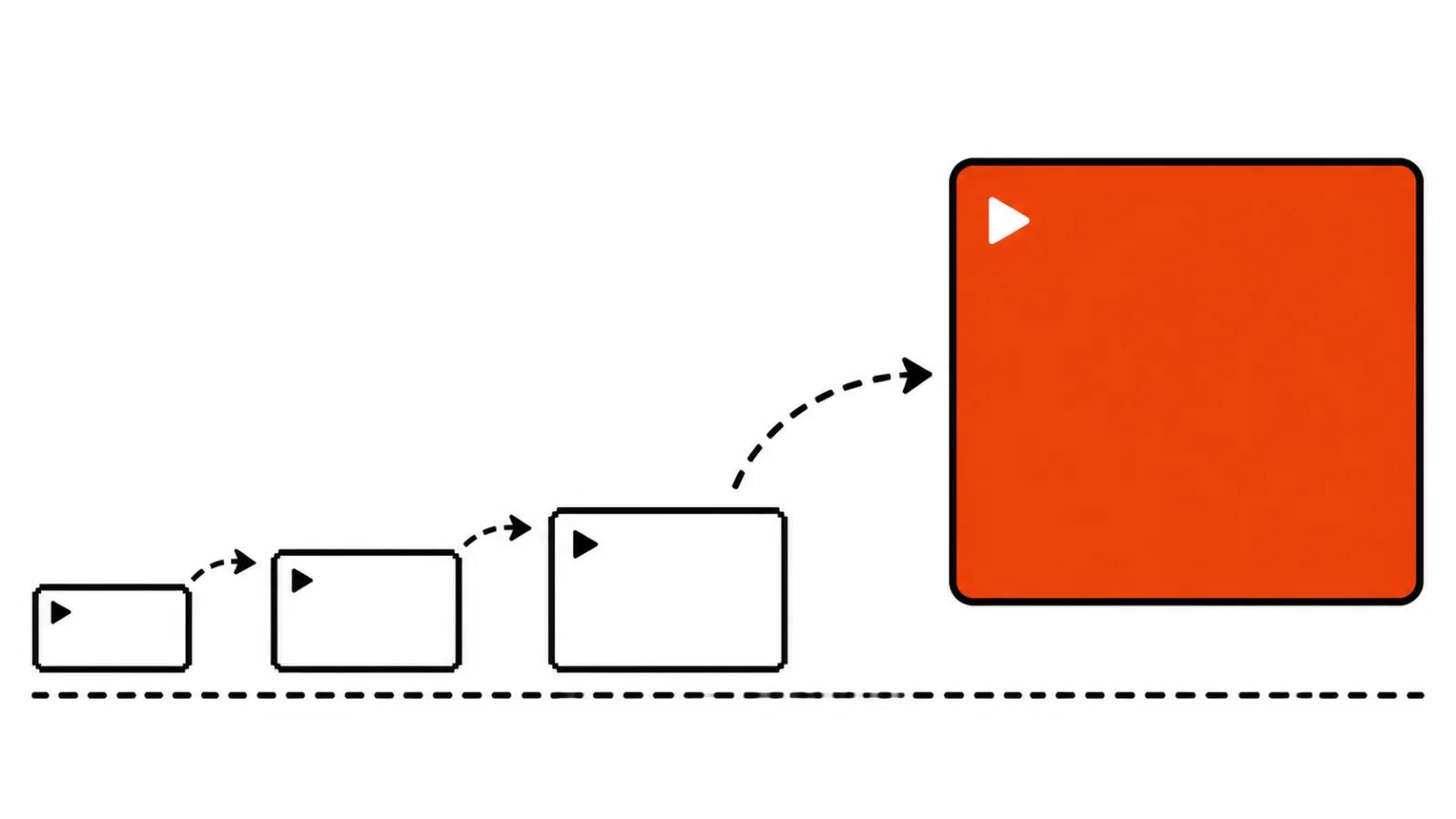
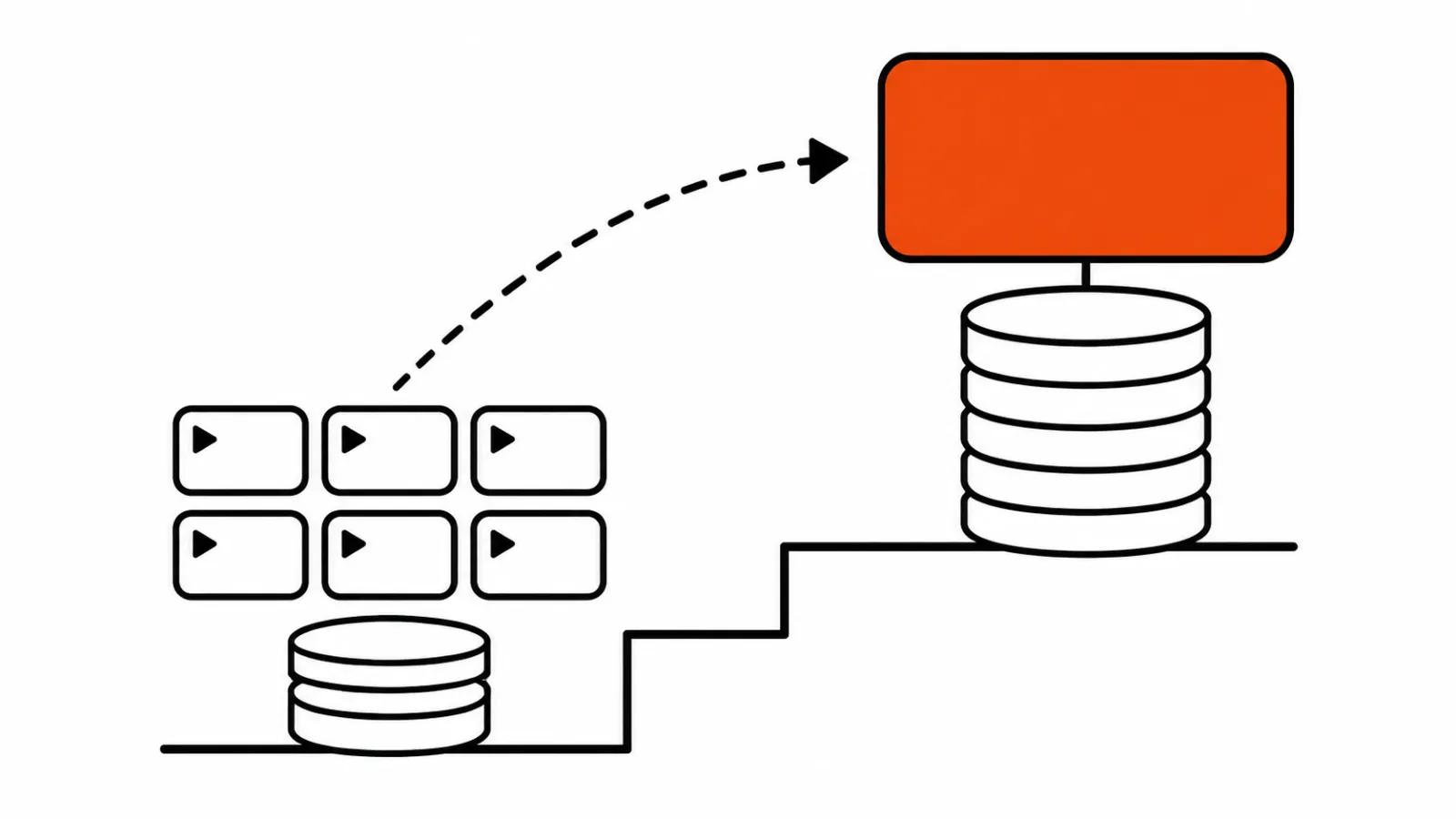
A fair comparison keeps the conditions identical: the same five seconds, the same 16:9, no input video. Then 1080p costs about 18.71 yuan per clip, about 2.6 dollars, with 3.74 yuan per second. 480p costs about 3.36 yuan, about 47 cents, roughly 9 cents per second.
Two numbers are worth memorizing. A 4K clip bills about 9 times a 480p clip. A 4K clip bills about 1.6 times a 1080p clip, and the gap per second matches. For a budget that means one thing: switching the resolution on the final render moves the quote more than adding shots does.
Input video moves the bill
When the request carries a reference video, the token rate drops to 19 yuan per million, but the token count grows, because the system processes the input seconds as well. The same five second 4K clip with input video runs from 33.24 to 129.28 yuan, roughly 4.6 to 18 dollars, and the spread follows the length of the input footage.
The trap sits at the bottom of that range. The with-video rate looks cheaper per million tokens, yet even a short reference pushes the total above the price of clean generation. Read the invoice for the actual request, never the rate on the card.
Drafts still cost 480p money
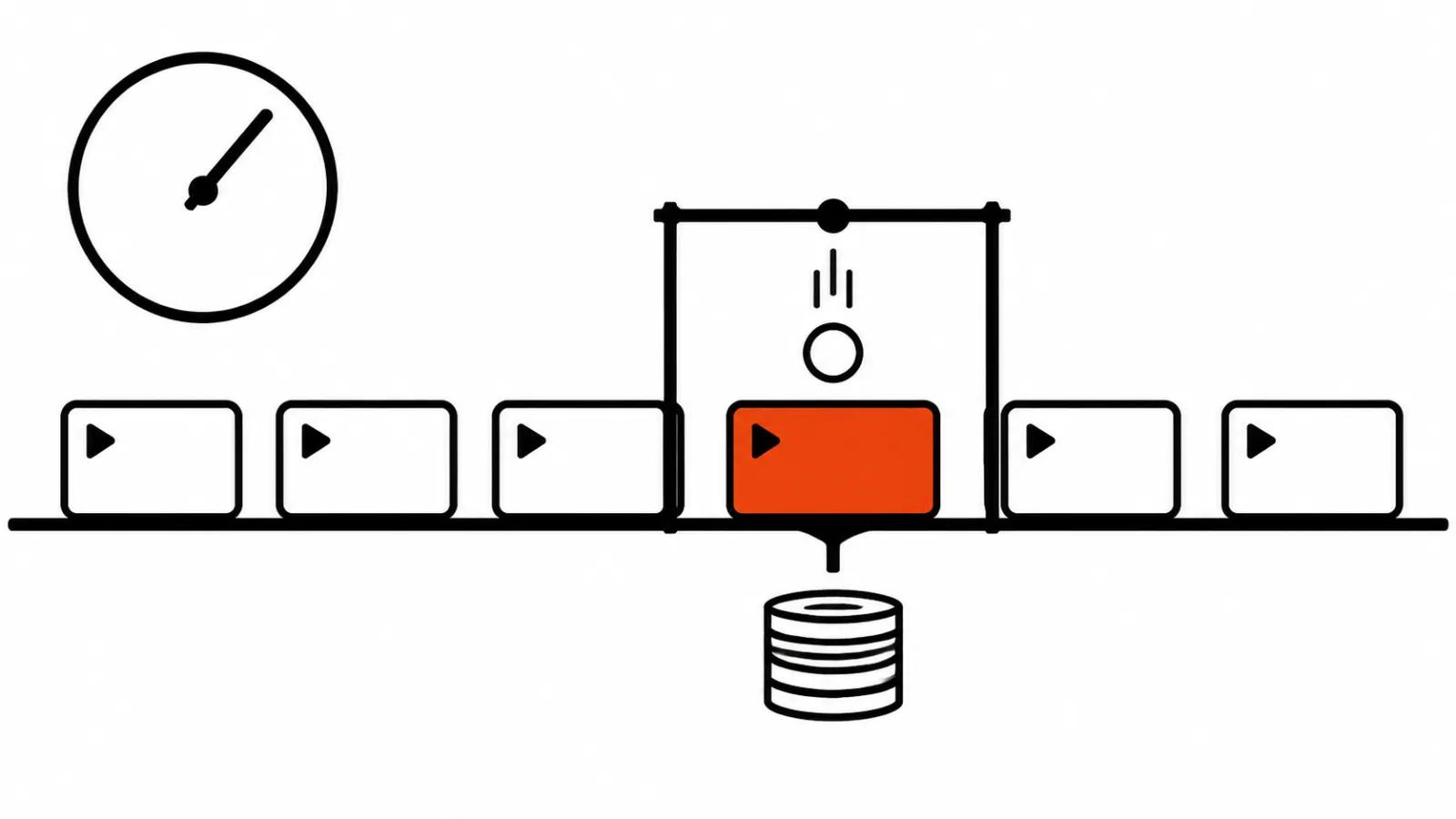
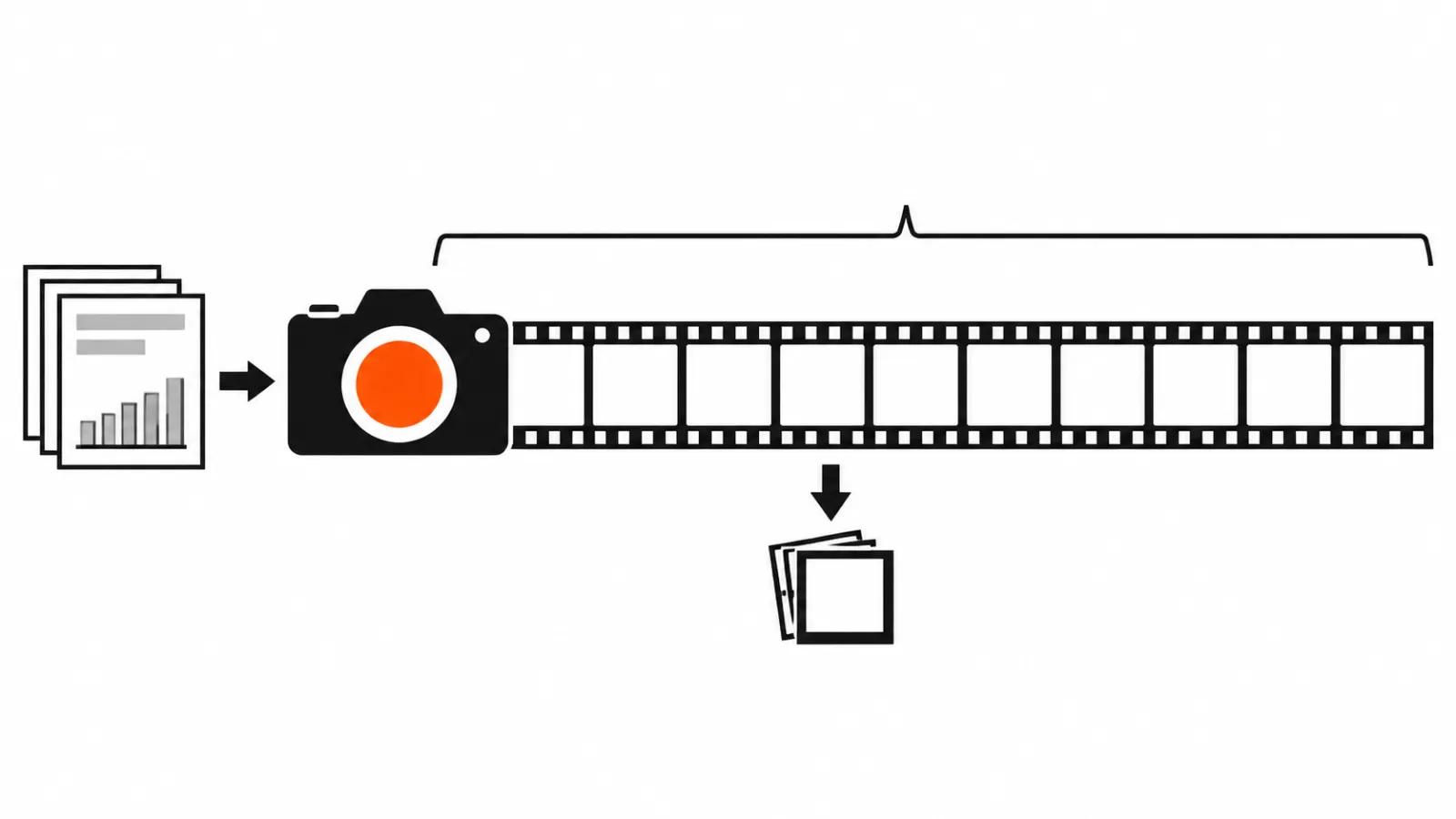
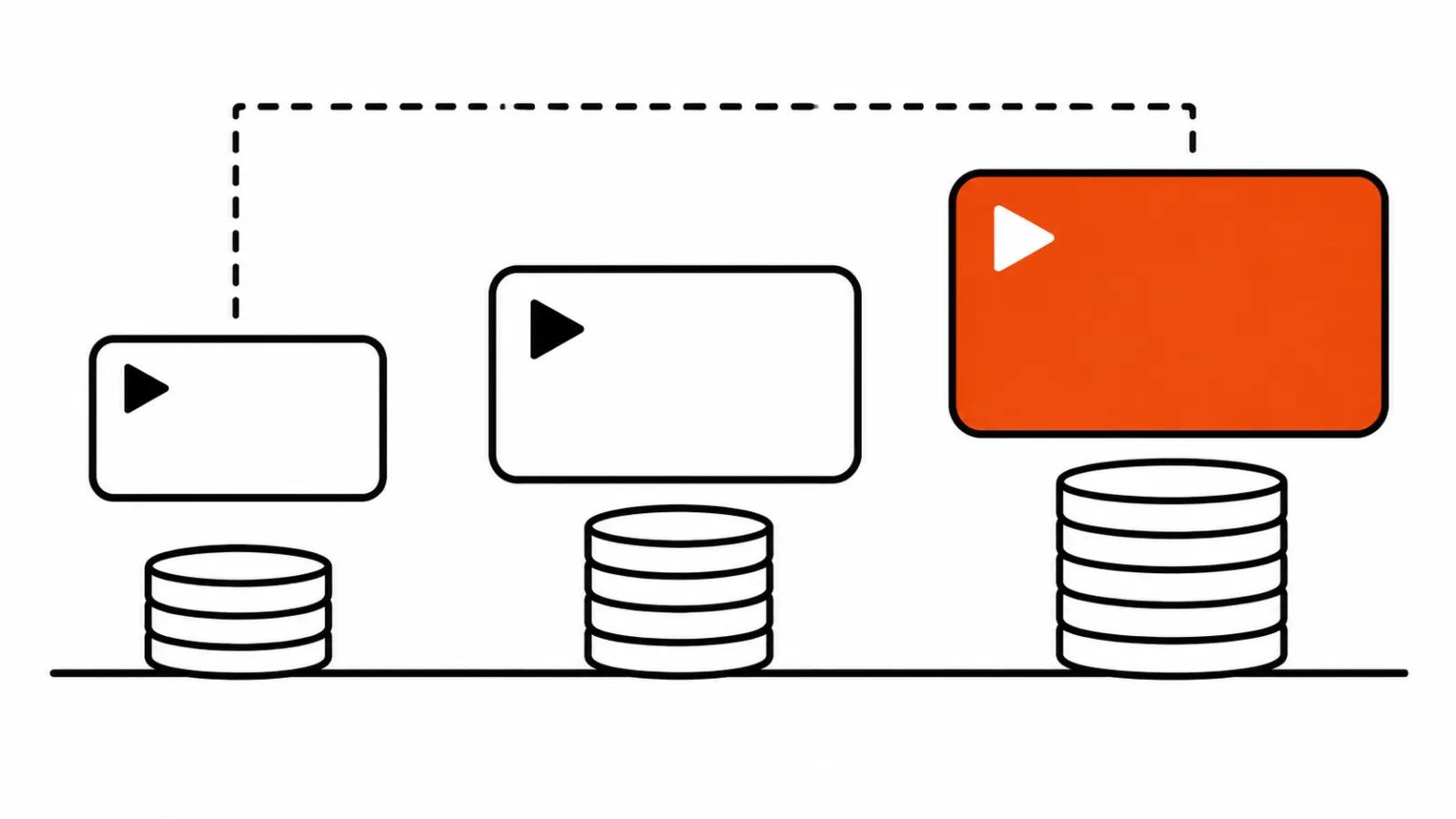
Draft mode bills a clip in two steps. The draft renders at the 480p price, the final render bills at the price of the resolution you ordered. Only successfully generated clips get charged, moderation rejections and technical failures stay free. A draft ID stays alive for 14 days, after that the final render on it can no longer start.
For a 4K project that detail decides everything. A test costs what a plain 480p clip costs, and the expensive part of the bill appears once, on a shot that is already approved. Whether the 4K final matches the draft frame for frame, the announcements leave unclear: the docs promise reuse of the prompt, references, duration and seed, and say nothing about pixel level identity.
Where the model is already live
On November 17 fal announced Seedance 2.5 4K with inference running entirely in the US. On November 16 PixVerse switched on Seedance 2.5 Draft Mode: a 480p draft for fewer credits, then an upgrade of the chosen draft to 4K, with no credit price named. Runway's changelog lists Seedance 2.5 with 4K in Runway Dev, their API line. Seedance 2.5 Flash stays at 480p and 720p, so 4K belongs to the full model only.
Pick the provider on two grounds: where your footage is processed and what a credit costs. US inference at fal settles the jurisdiction question, at a dollar denominated price. Direct Ark access is cheaper on the rate card, but it needs an account in ByteDance's cloud.
What this does to a testing budget
Twelve shots of five seconds each, no input video: about 50 dollars in 4K, about 31 in 1080p and about 6 in 480p. The whole series of 480p tests costs less than one finished 4K clip. The working rule writes itself: storyboard, camera motion, gesture and gait get picked on drafts, and 4K runs on the shot that has been signed off. Vertical ad series benefit even more, because versions differ in details while every test stays in the low resolution.
Inside AI video production this becomes a simple scheme: tests at low resolution, a final render per accepted shot. Where a person owns the frame, the logic holds and the tests happen on set, which is our handcrafted videos. For a side by side comparison of price per second across models, we keep a November cost review.
My conclusion
4K stopped being a promise and became a line in the quote. My order for a 4K project: drafts at 480p, shot selection, then one expensive render per shot. I quote the client the price of a finished second instead of a project average, because the average hides where the money actually went.
One caveat from experience: we have no 4K measurements of our own yet, the API opened on November 16, and how the model holds a face on a long shot will only show on our own footage. The pricing arithmetic checks out; the behavior on motion still needs a live test.