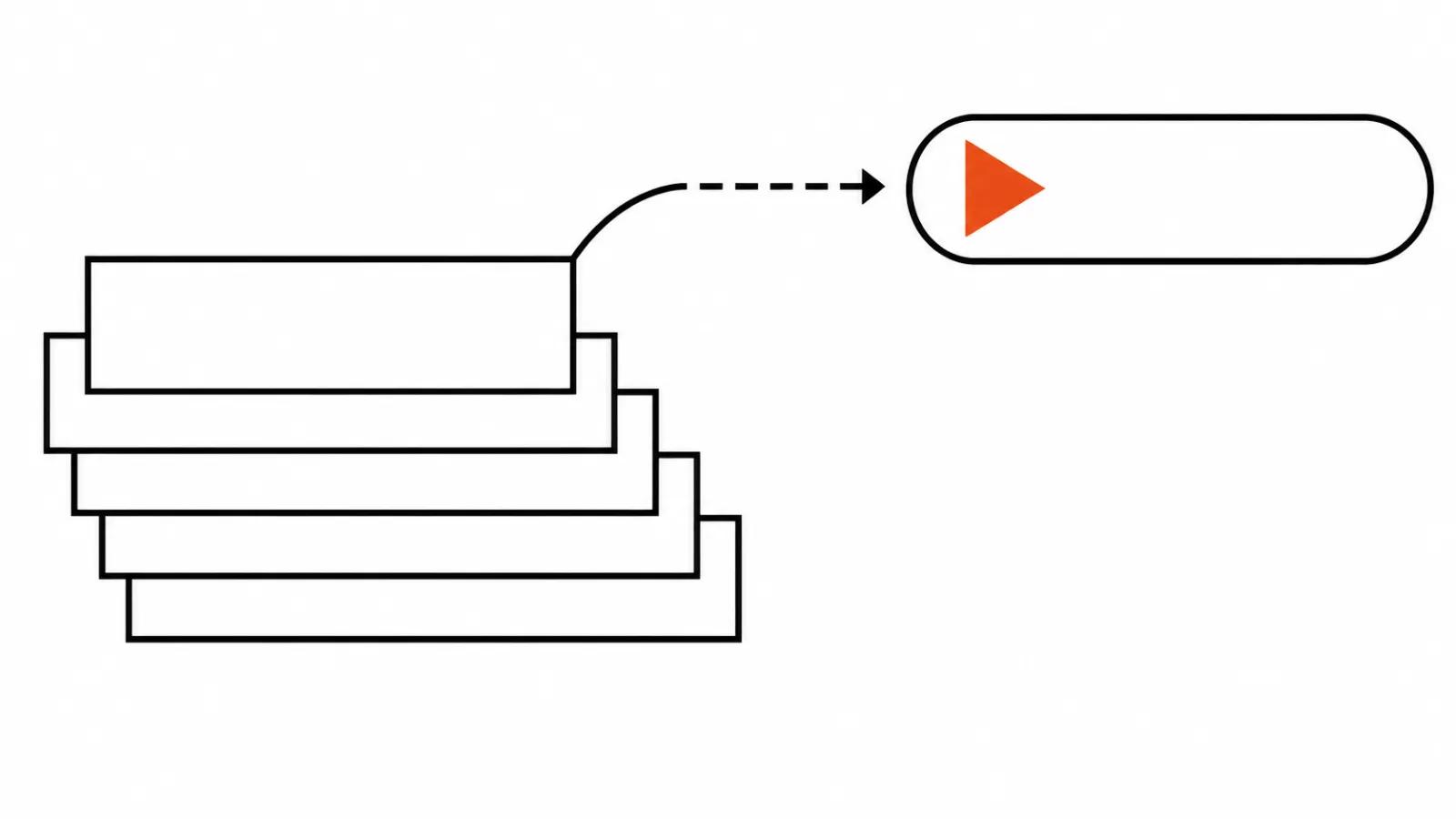
What actually survives the trip from slide to screen
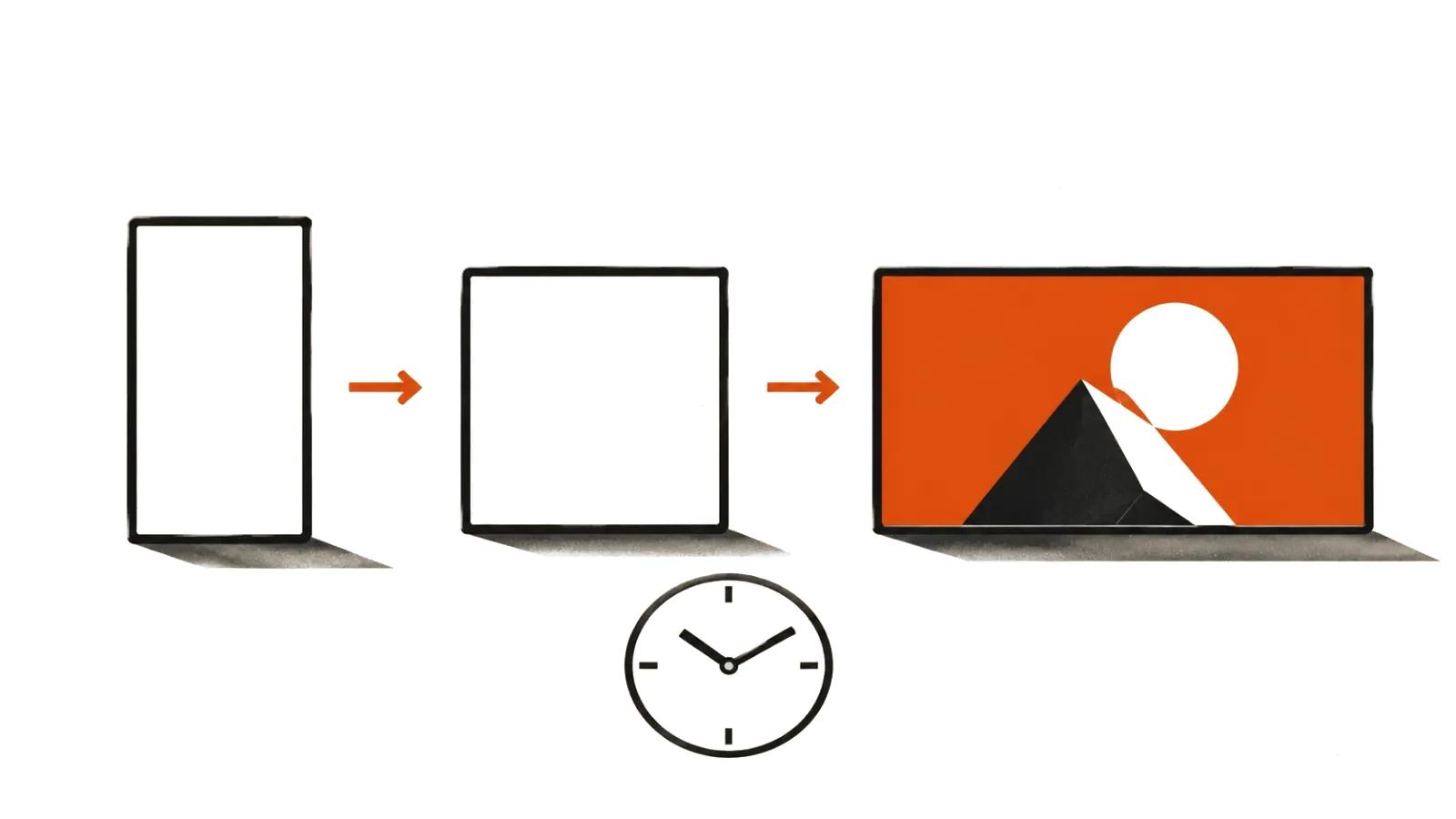
A deck runs on a different clock. People flip through it with the author talking, they come back to a number, they jump to the team slide because someone in the room asked. A video is watched straight through, and every shot has to pull the next one.
Out of thirty slides, roughly a third makes it into the script. The structure, meaning the order of ideas that already survived real meetings, is the most valuable thing in the file. Then come three to five points and one or two numbers with context.
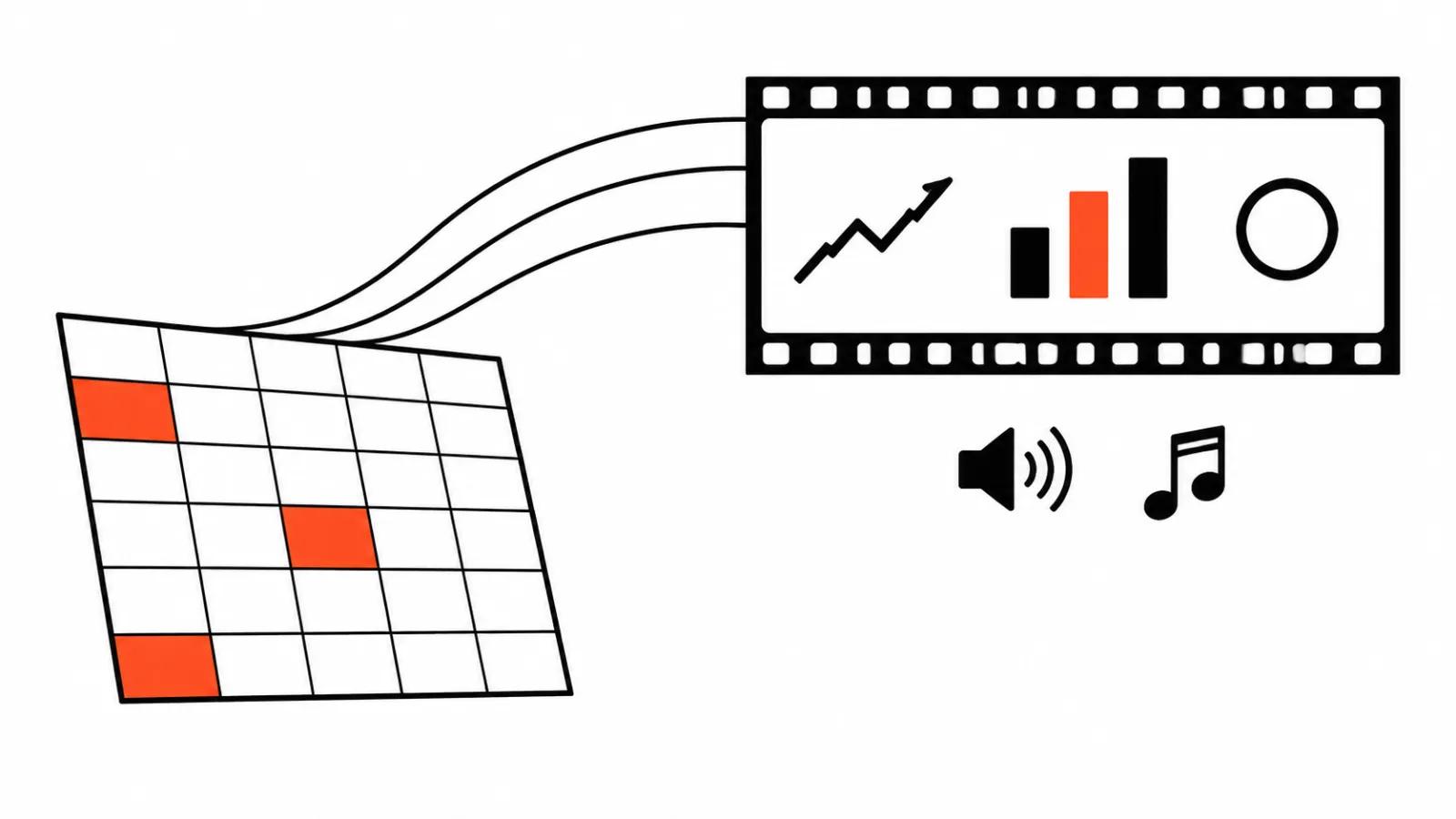
A number on screen needs a sentence around it: which period, which currency, compared with what. The slide says 38% savings. The voiceover has to say logistics costs fell 38% over the year, counted in dollars at the closing rate. Without that, the viewer remembers a nice figure and has no idea what it belongs to.
What gets cut: the agenda, the four slide company introduction, repeats, legal footnotes in six point type, tables with twenty rows. Small type does not read on video, and a viewer squinting at a line loses the thread.
One more edit is about language. Slides are written in nouns: process optimisation, cost reduction. A voiceover needs verbs and a subject: who did what, and what changed afterwards. Rewriting fifteen slides into spoken lines takes about an hour, and it is the one stage I do not hand to an agent wholesale.
What the agents showed in November
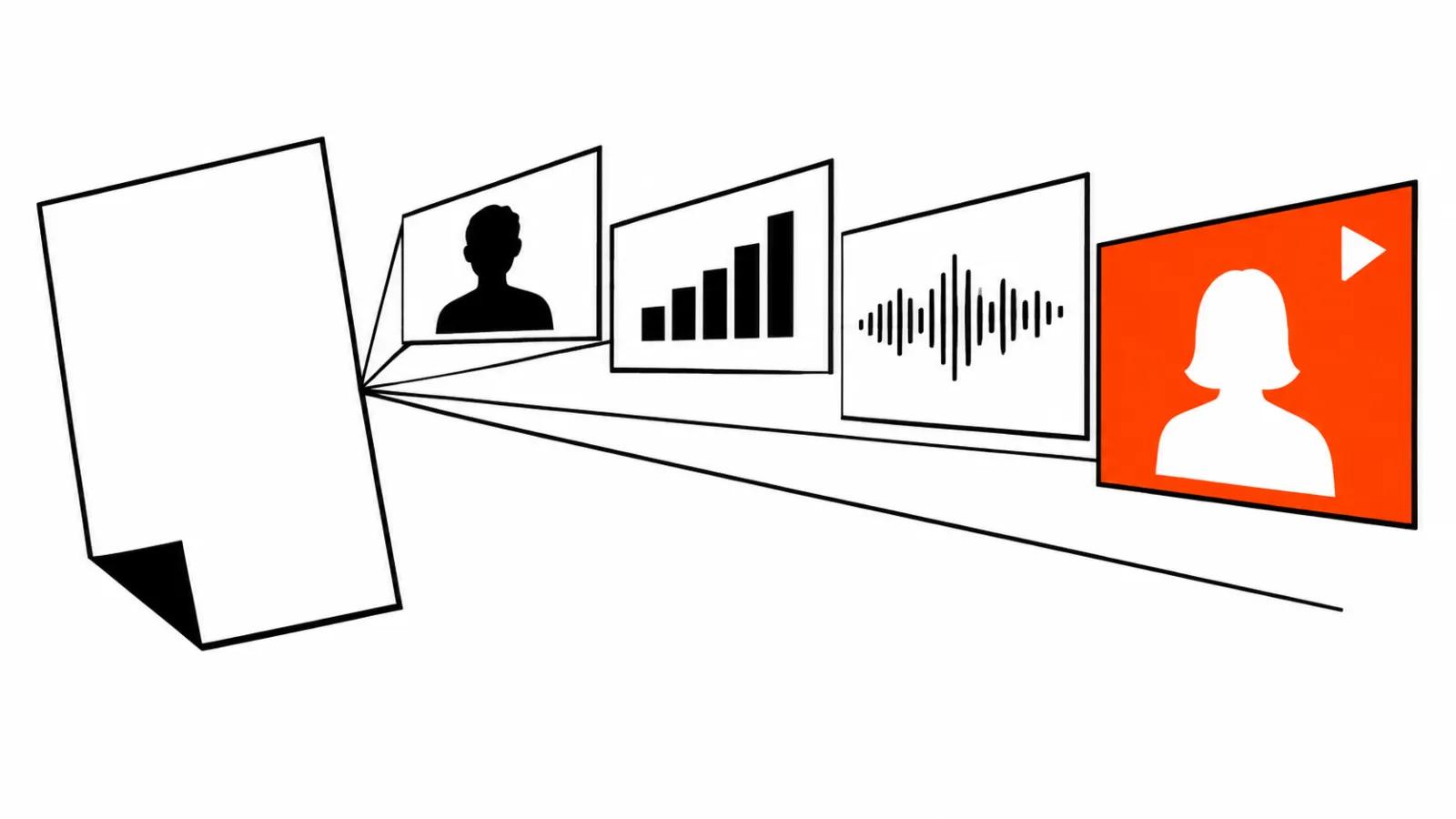
Synthesia updated Syren on 6 November 2026 (synthesia.io/updates). In Claude and ChatGPT you attach a presentation, a document, an image or a video, and Syren builds the video from your material. The link runs through MCP: connect Synthesia, ask for a video, and Syren plans it, writes the script and renders. The same release added frame markup: you draw on the video, describe the fixes and send it all in one message. Remix it takes a finished video and produces a new one, a short summary or a vertical cut. On 10 November cinematic mode arrived on Seedance, with livelier scenes.
Adobe Firefly takes a different route in beta (helpx.adobe.com). Build a story turns a prompt into a plan of scenes and shots, then generates clips against that plan. Assemble short video gives a single track edit: arrange, trim, cut, adjust volume, regenerate a piece, export. Both features are unavailable in Creative Cloud for Teams and Enterprise, which matters if you buy licences for a whole department.
Genspark Media Studio goes a third way: an agent plans the script and storyboard from a prompt, then generates video, voiceover and music on one board. Edits happen on the board instead of in a single file.
Three tools, one job, three shapes. The first builds around the material you brought. The second builds around a written description and hands you a simple edit afterwards. The third keeps every asset in one working surface.
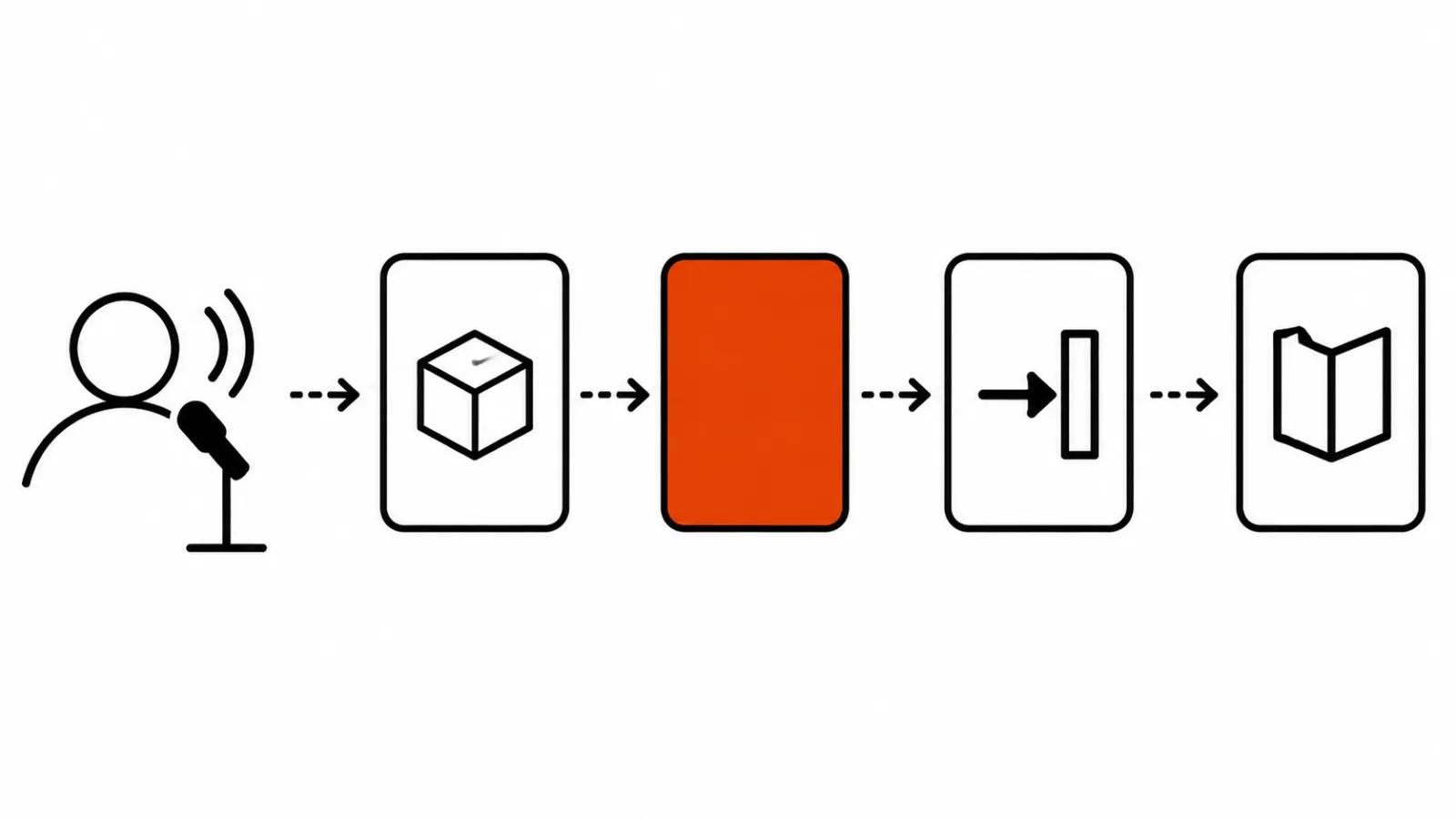
Avatar host or generated scenes
These are two different products, and mixing them up gets expensive.
An avatar host talks in front of a slide, a diagram or neutral graphics. It is predictable, recognisable and good at explaining numbers, policies and step by step procedures. The slide stays a slide, and readability matters more than the beauty of the frame.
Generated scenes carry metaphor: freight crossing three countries, an application moving through four departments, a part clicking into a mechanism. A model draws those in minutes. It struggles with a specific product, a logo, or text inside the frame: the more exact the detail, the likelier a redraw.
The working combination for a deck is an avatar host plus scenes for transitions and examples. Up to ninety seconds, one presenter and the slides are usually enough. At three minutes you need a shot plan, otherwise the eye tires of a talking head.
Where a person stays in the loop
First, facts and numbers. The agent lifts a figure off a slide and drops it into the script without knowing which period it covers, which currency it uses or which division it belongs to. A wrong number on a slide costs credibility. A wrong number in a voiceover costs more, because everyone hears it.
Second, brand. Tone of voice, exact product names, legal wording, mandatory disclaimers. A model can soften we do not provide medical services into we advise on health questions, and catching that by ear is nearly impossible. Product names and legal paragraphs get a manual pass on every project.
Third, acceptance. Watch the opening, where pacing breaks most often, check subtitles at full size, check how names are pronounced, and compare every number in the voiceover with the number on the slide. Frame markup in Syren speeds up the fix. The list of fixes still comes from a person who knows the context.
Fourth, shelf life. If the deck changes monthly, an agent pays for itself, because a re-render costs less than a new shoot. If the material changes once a year, the gain shrinks while the setup time stays the same.
When to hand it to an agent, and when to people
An agent handles the explainer built on finished slides, internal material, short social cuts, and the video for a meeting that moved to tomorrow. The gain is speed: the file exists today, the video is needed tomorrow.
People handle the brand film with real direction, the tender story, complex diagrams, anything headed for a big screen. Those projects need cut rhythm, light, music and exact detail, which a script alone does not deliver. Our handcrafted videos, from $190, work in that mode, with a person owning the frame.
There is a middle route: building a video from your existing slides on the AI production line, with an avatar and graphics, then a human acceptance pass. It costs less than a shoot and lasts longer than a one-off edit.
For the difference between a promo video and video presentation in purpose and length, we have a separate guide, including how a script is structured per platform.
My order: from file to delivered video
One sequence, and it saves more time than any single tool.
- Write down five points, two numbers and the one idea the viewer should leave with. Everything else stays out of the script.
- Lay the script over the slides: one slide is one scene of ten to fifteen seconds. A slide that cannot hold a scene goes to the website instead.
- Decide who talks: avatar, voiceover, or scenes with no narration. For numbers and policies, a voice is mandatory.
- Build a draft in the tool with the presentation attached. The draft is built to check rhythm. Delivery comes later.
- Send fixes in one message using frame markup, so the model does not rewrite what already works.
- Check numbers, names and disclaimers by eye. This is the step that cannot be accelerated.
- Cut versions: horizontal for the site, vertical for social, a short summary for email.
My conclusion
Making a video from a presentation stopped being a separate project. A file sitting in the marketing folder now turns into a clip overnight, and that changes a habit more than it changes production: the video for a meeting became as ordinary as the deck.
My position is simple. Agents get assembly, editing and versioning. People keep facts, brand and acceptance. The line runs along the cost of a mistake: where a wrong figure or a softened sentence costs money and trust, a person decides.
One thing about expectations. A draft arrives in minutes, and a decent video still takes a day, because most of that day goes into the script from the slides and into checking. Anyone promising a finished video ten minutes after you upload a file has probably not heard their number read aloud yet.