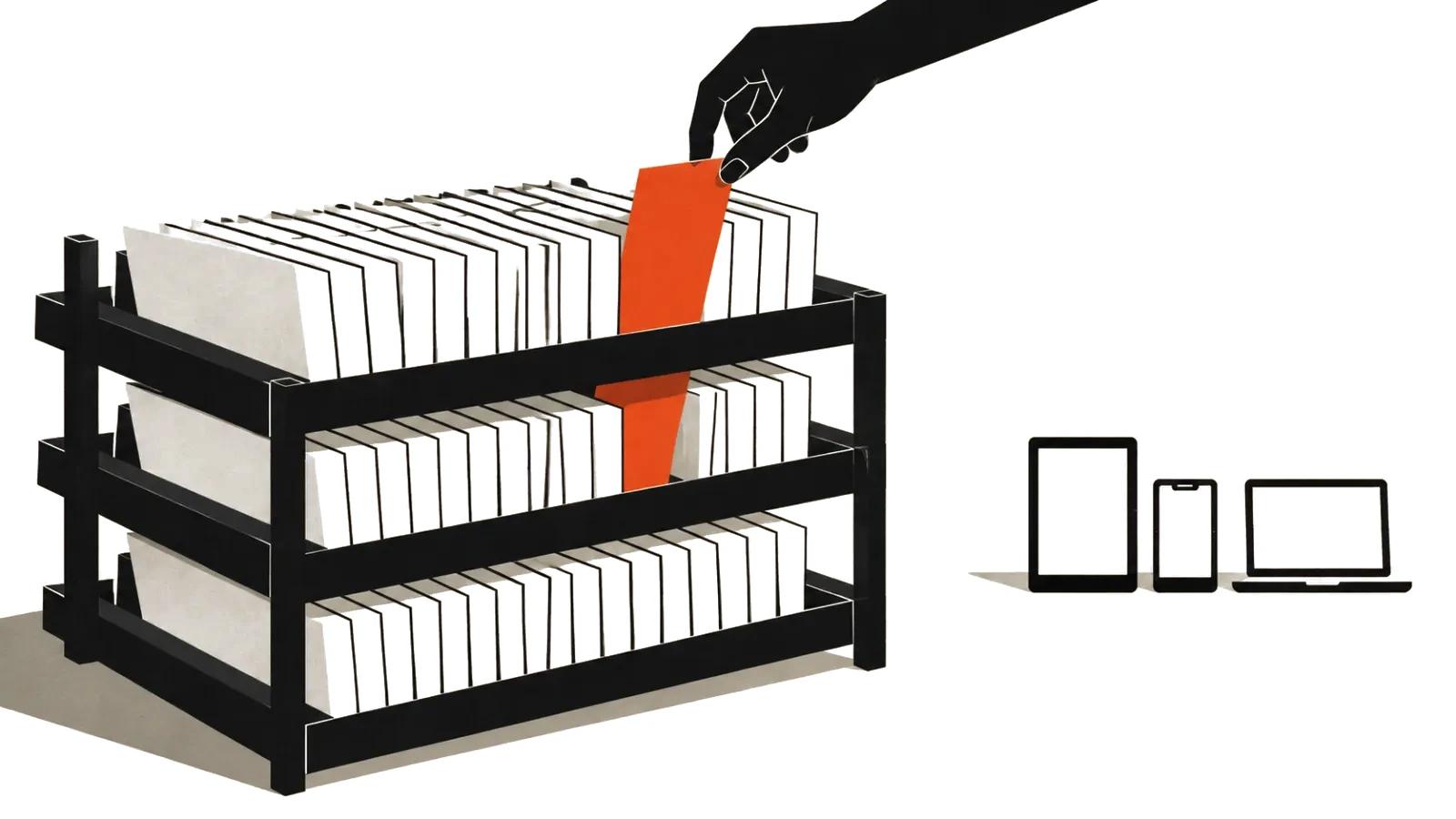
Three videos almost everyone needs
Any conversation about business video starts with the question of what to shoot. The answer is nearly always the same: shoot the thing that answers the question a client keeps asking.
There are three such questions. What do you sell, and why does it beat the alternative. How does it work. Why should anyone trust you. Each question gets its own video, and each one lives in a different place: in paid placement, on the site, in a reply to an email.
Then the economics arrive. One video for every job fails. Paid placement needs a hook in three seconds, a website needs a minute of explanation, an email needs a calm two minute walk through. Those are three scripts.
The video that sells
A sales spot goes into placement, so the frame is tight: fifteen or thirty seconds, vertical composition, the first two seconds deciding everything.
The structure is plain. The viewer's problem, the product as the answer, proof, then the action. That fourth block gets forgotten most often, and the spot ends beautifully with no instruction.
Whether to shoot or draw it depends on the product. An object in hand gets filmed. A service, an app or a process gets explained with a diagram. Commissioned business video runs into the same question every time: is there anything to show in close up.
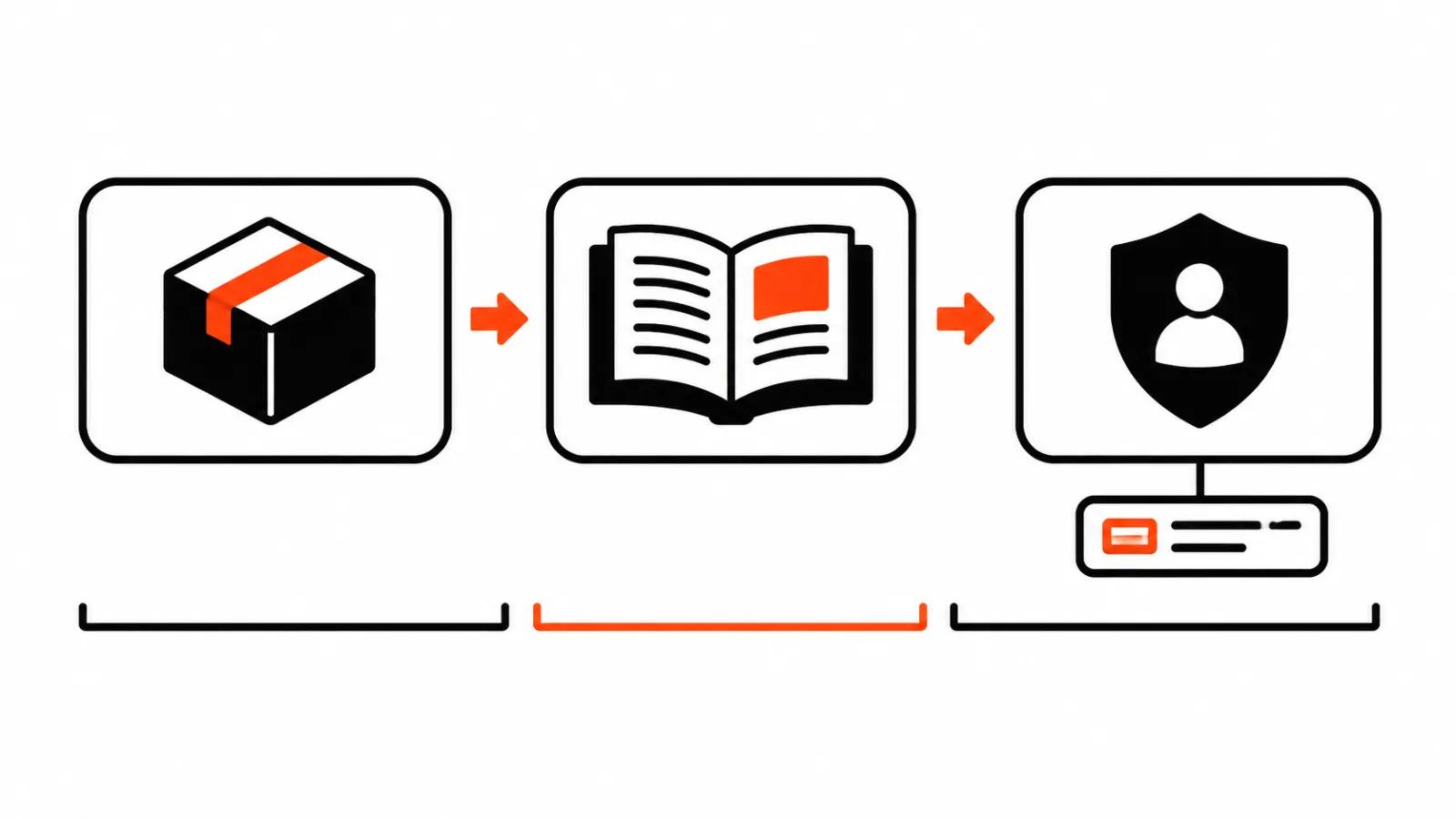
The video that explains
An explainer lives on a site and in email. People watch it by choice, so it can run longer and slower.
I build it around one client question. Around the question about lead times, about how a quote is built, about what happens after an order. Not around the company's history.
Length honesty matters after that. If the answer takes forty seconds, the video lasts forty seconds. A stretched minute with a logo sting and music irritates more than a dry answer.
AI video production helps at the rebuild stage: changing one answer does not drag a reshoot of the whole scene. A price or a deadline moves, one fragment gets replaced, the rest stays.
The video that kills objections
The third video is the least appreciated. It does not sell or explain, it removes a fear: what if this does not work, what if it costs too much, what if they disappear.
The format is simple. A client says what held them back. Then the video shows how that part actually works. No client names, no contract figures, only the sector and the situation.
What works here is time, the thing advertising cannot buy. This is the video watched before a call, once the decision is nearly made.
Shoot it as a conversation, with no teleprompter and no line by line script. Four questions and a person answering in their own words are enough. Five minutes of that recording yields material for two videos.
Where a corporate video fits
A corporate video often gets ordered first, and usually too early.
It fits two cases. The company is chosen slowly, through a tender or a referral, and needs to be introduced before a meeting. Or the company is approaching partners and needs a three minute document that replaces a deck.
Otherwise it waits. Without a sales spot and an explainer there is nowhere to put the story: a viewer lands on a founder's tale with no idea what is being offered.
Handcrafted videos, where every scene is built on its own, win in this genre. And if the company employs people worth listening to, their live speech holds attention longer than voiceover under music.
Hiring and partner versions
A separate branch that gets confused with the brand film. A hiring video shows the work: the shift, the tools, a conversation with a client.
A candidate looks for three things: what the team does, which tools it uses, what the first month looks like. All of it films cheaply where there is access to the floor.
A partner video works differently. Capacity, deadlines and accountability matter there. It often gets assembled from footage that already exists, plus a diagram.
YouTube channel management draws on the same material as a hiring video. An interview with an employee works as a vacancy and as an episode.
Captions belong in the plan
Captions get postponed, and that is a planning mistake. A feed often plays without sound, and part of the audience gets nothing without them.
The WCAG guidance includes success criterion 1.2.2 at level A: captions are provided for all prerecorded audio content in synchronized media. The same page says captions carry more than dialogue: they identify who is speaking and include non-speech information such as meaningful sound effects. There is one exception: the video is a media alternative for text already on the page and is clearly labeled as such.
The technical side is cheap. YouTube accepts .srt and .sbv in plain UTF-8, and those files carry timing and text without styling. An hour of work, and the file lives as long as the video.
The takeaway
The order runs: sales spot, explainer, objection killer. A corporate video follows them, once there is somewhere to place it.
Business video built in that order answers questions in the sequence clients ask them. A brand film shot the other way answers a question nobody asked.