What was announced
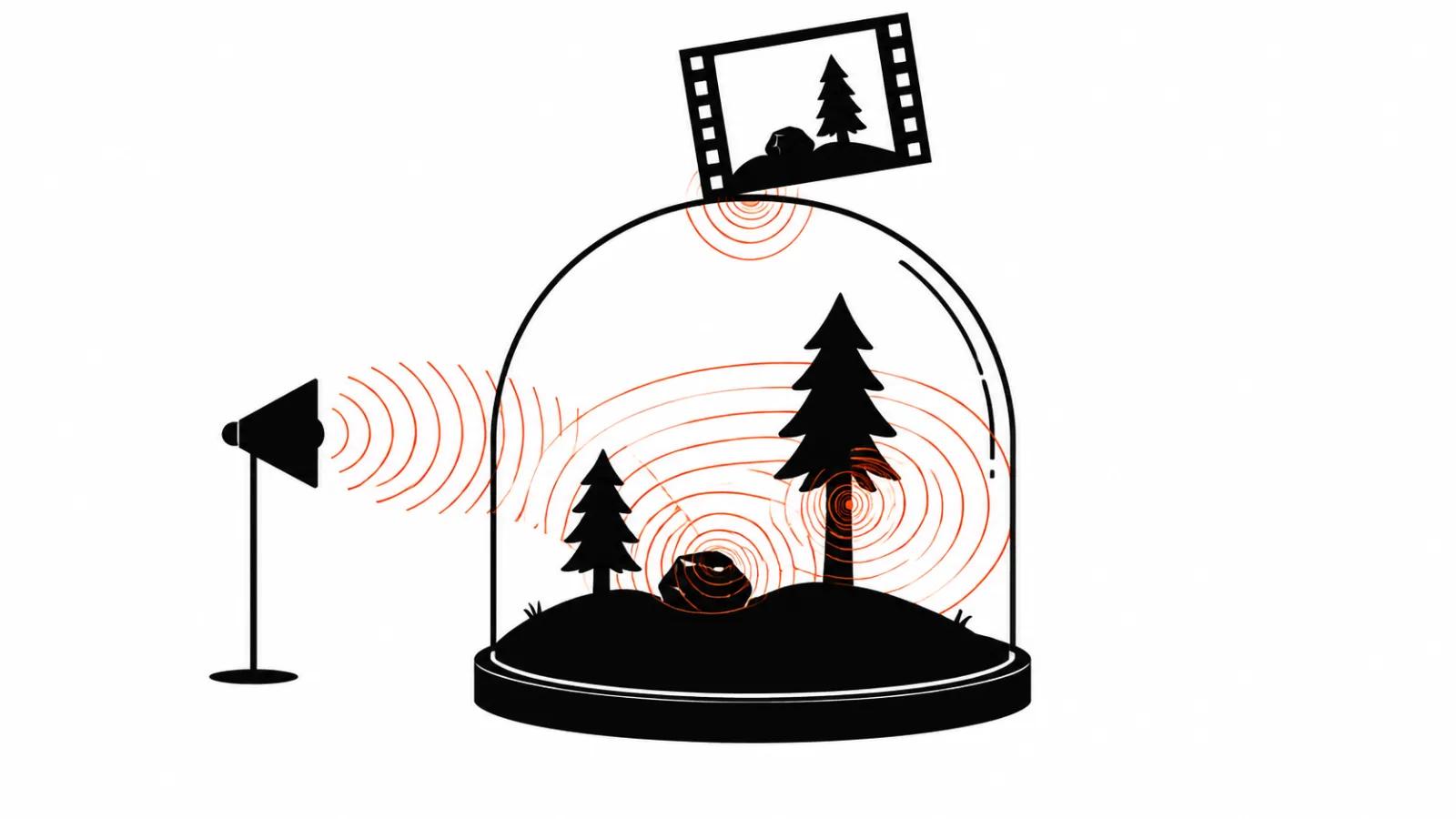
On 27 October Google DeepMind announced Genie 4, a new world model. The company describes it as an interactive simulation that holds realism and responds in real time.
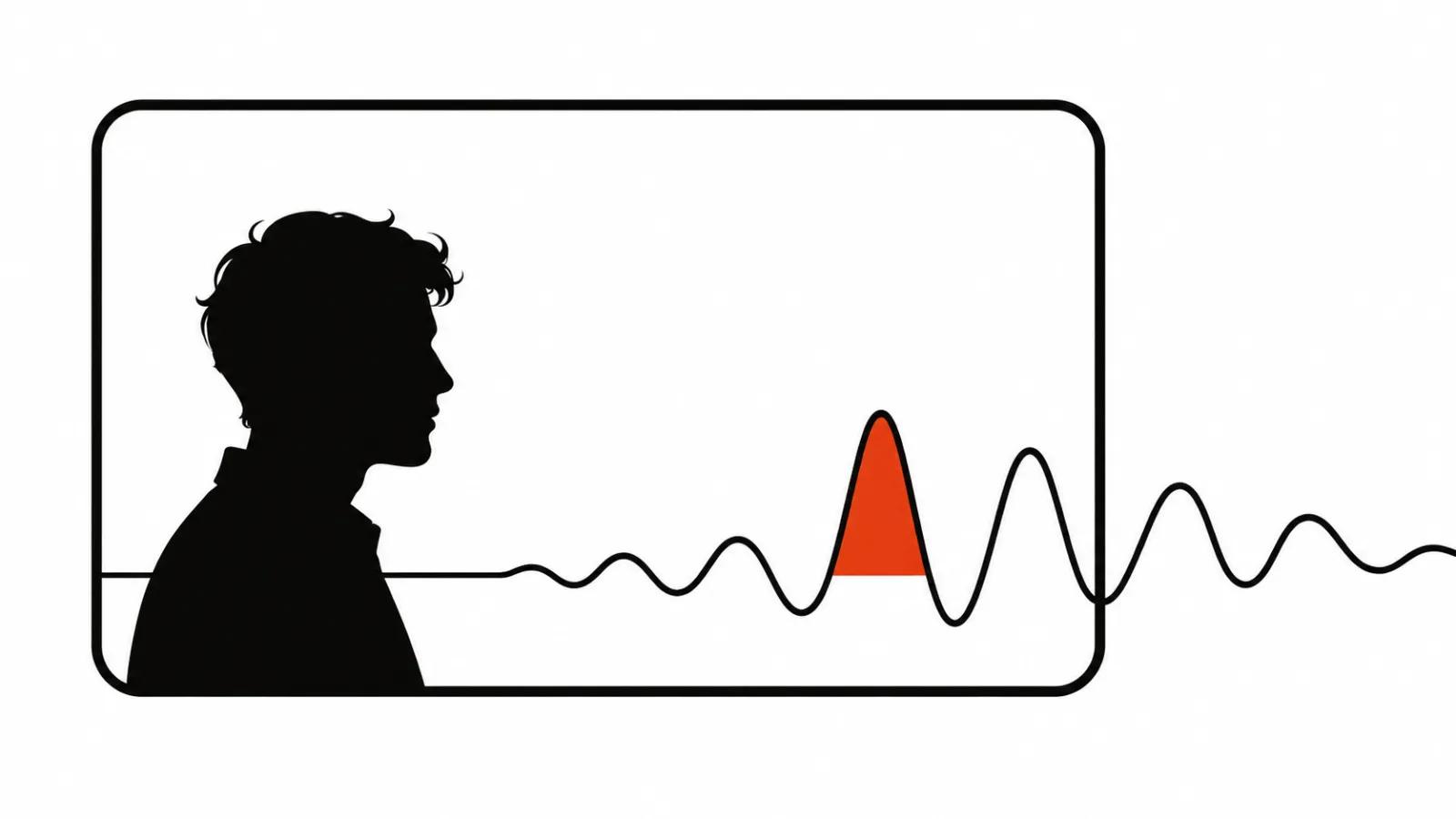
The difference from earlier versions sits in sound. According to DeepMind, this is the first of its real-time world models to generate audio natively: wind in trees, waves, footsteps and character speech appear together with the image.
Access is limited. Genie 4 shipped as a research preview for trusted testers, with a wider rollout promised for Google AI Ultra subscribers in Project Genie and early access partners in the Gemini API and Google AI Studio.
Why sound matters more than picture
In normal production sound lives its own life. The image gets shot or generated first, then a voice gets recorded, then effects and music get found.
Each stage costs money and time, and each stage breaks the previous one. Re-record a line and the lips in the frame drift. Swap a scene and the ambience stops matching.
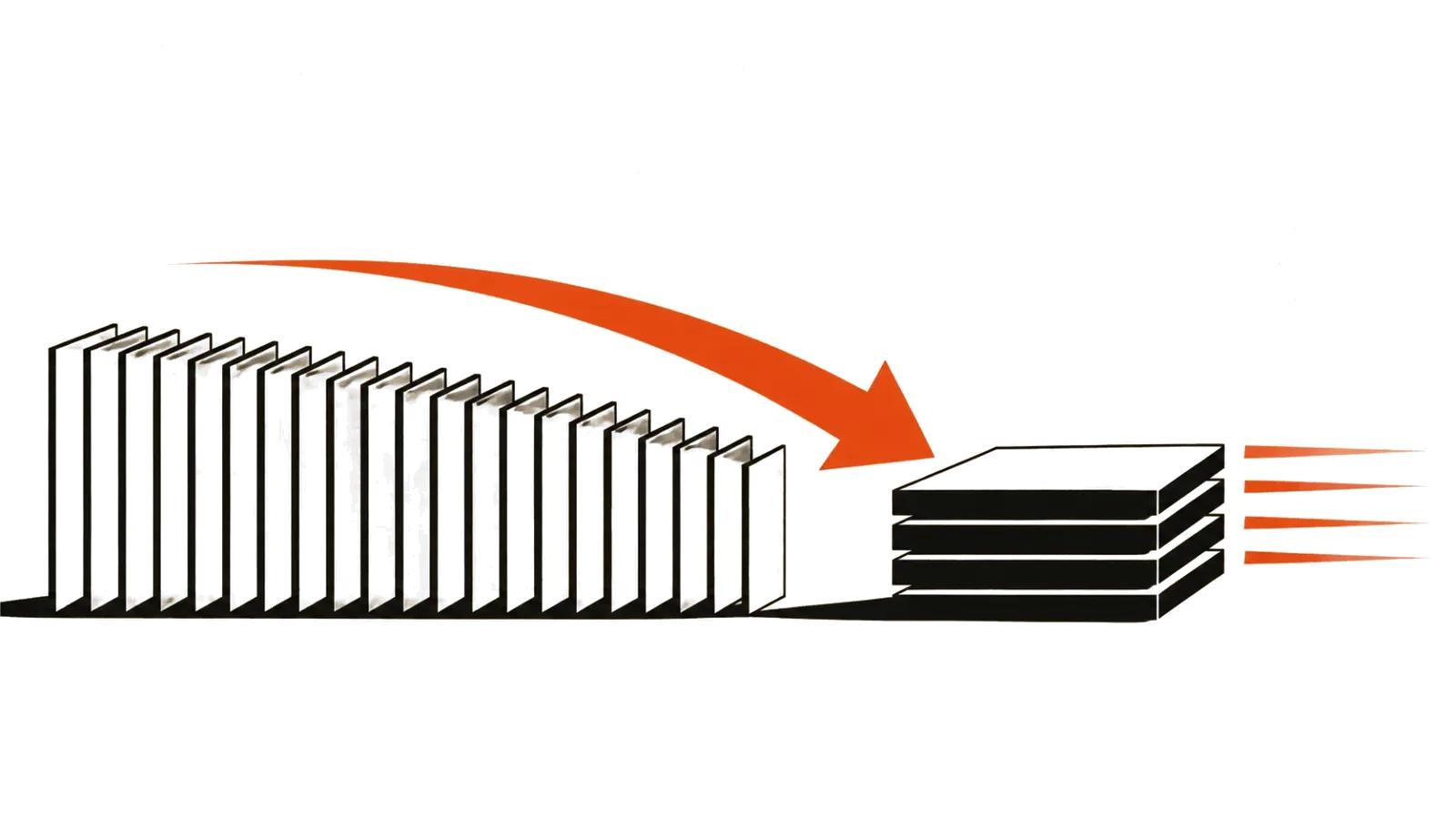
A world that sounds by itself removes part of that work. When the simulation emits audio along with motion, synchronisation happens at generation.
How it is built
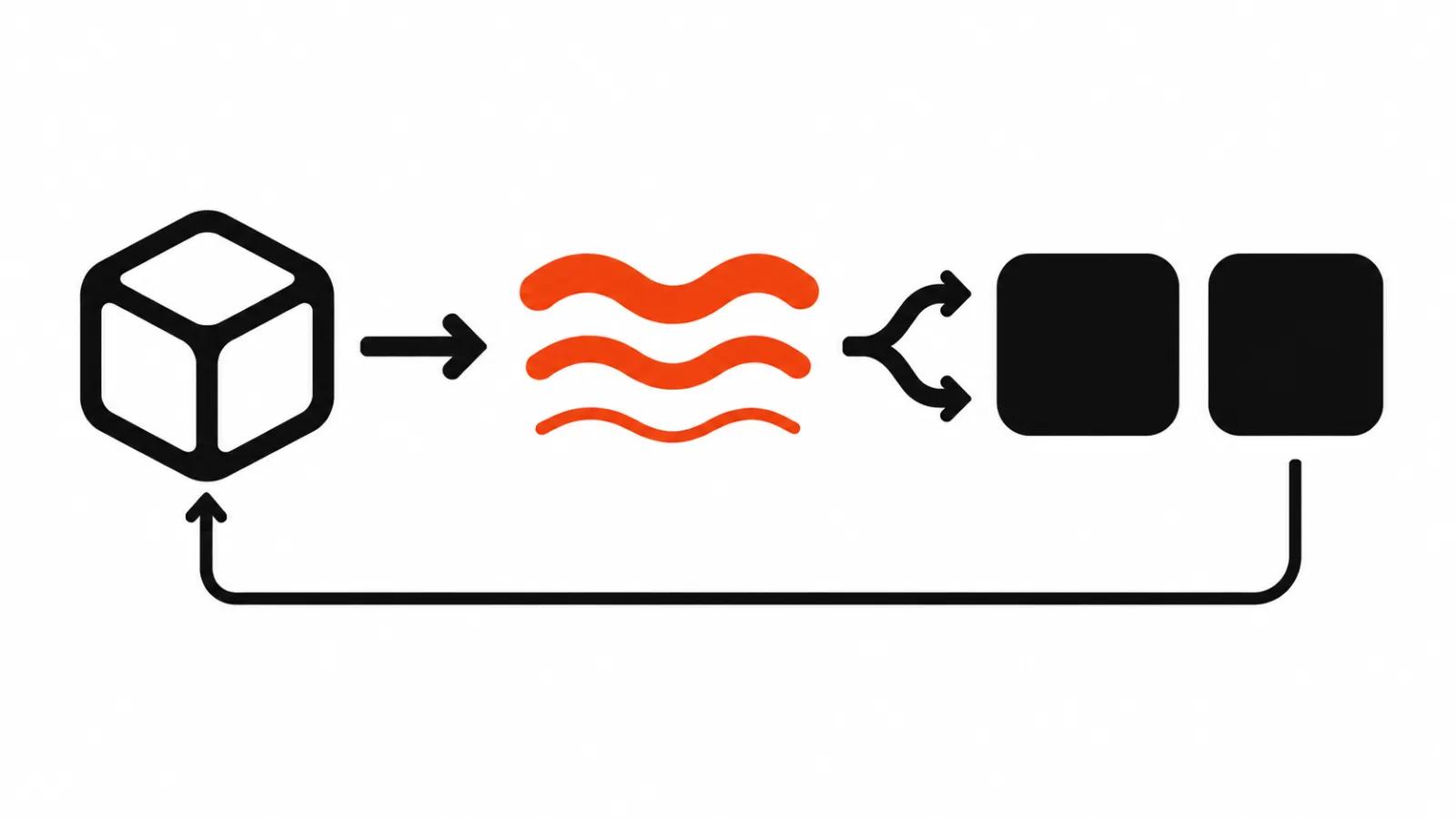
Genie 4 leans on the Gemini family. DeepMind says Gemini Omni anchors the simulation in real-world appearance and behaviour, while other Gemini models keep the scene coherent and the events logical.
A user sets an event in motion and the model plays out the consequences: how the world responds, how it sounds, how people move, react and speak.
Controls are a keyboard, a camera and text prompts. Weather can change, the camera can move, a new person or object can enter, and the model adapts the prompt to the surrounding scene.
Dialogue inside the frame
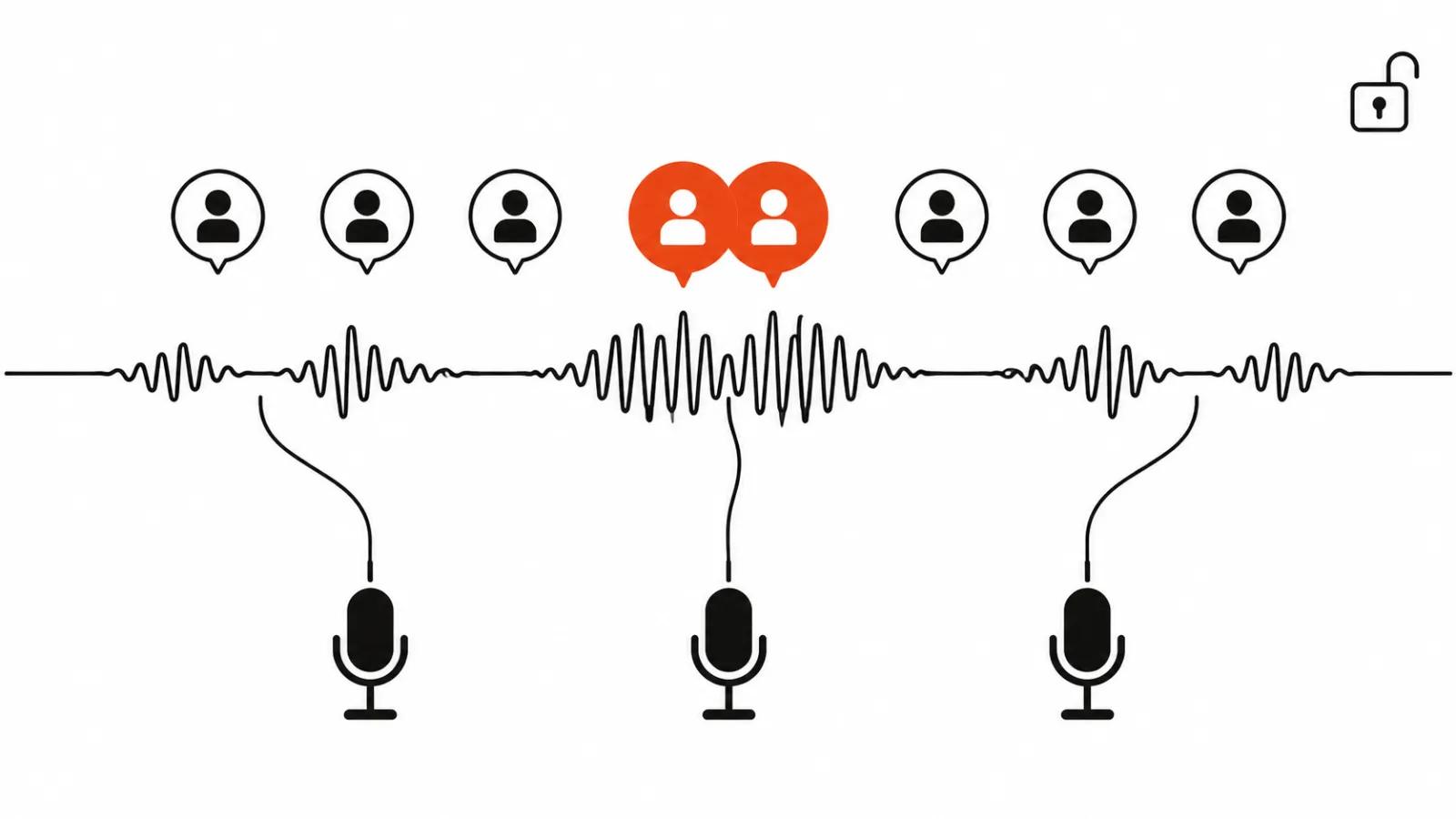
The most interesting part of the announcement is dialogue. Characters converse and react to your inputs or to events in the world, all in real time.
This is not dubbing and not a scripted voiceover. It is a reaction to an event, and it cannot be rewritten line by line. It can be put into a scene and watched for how the scene holds.
For ad tests that is useful. A rough scene with a spoken line gets checked in minutes, and the weak rhythm shows up immediately.
What a business does with it
The first use is plain: a storyboard with sound. A director's cut where the scene can be heard before anyone pays for a shoot.
The second is backgrounds and secondary shots. AI video production already covers those frames more cheaply than a shoot, and with audio it covers the atmosphere as well.
The third is training and demonstration. An interactive world a person can walk through and listen to explains a complex product faster than a linear video.
Handcrafted videos stay for what cannot be generated: a person in frame, a product in hand, an intonation that belongs to an actor.
On a serial project, YouTube channel management is built around a publishing plan, and interactive worlds fit there as sources of backgrounds and bumpers.
Limits the company named itself
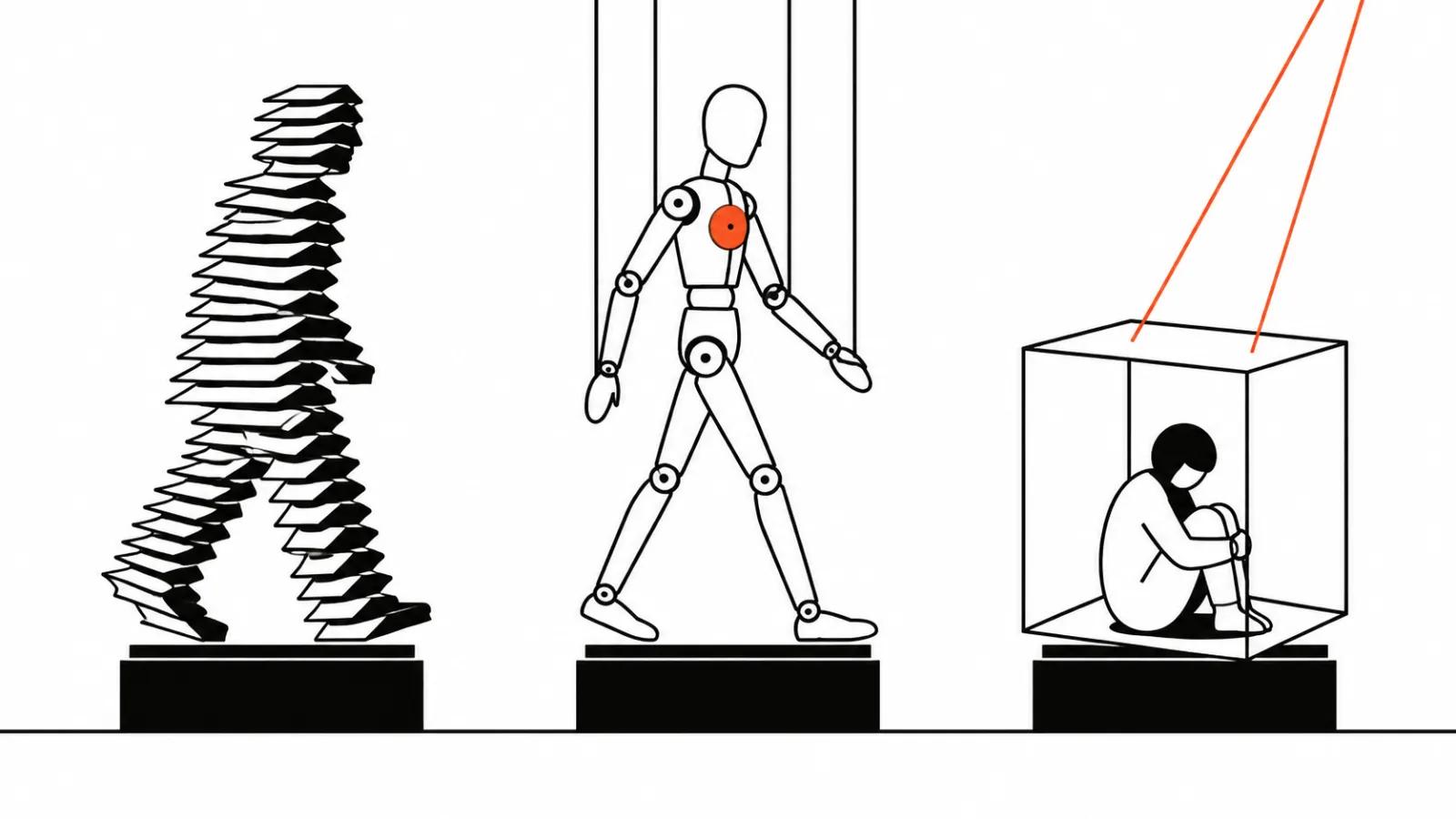
DeepMind listed the weak spots plainly. Visual details and object permanence can shift during a long session, after several complex prompt edits, and while navigating a scene.
It also names complex physical interactions, real-time audio accuracy, legible text in frame, spatial accuracy and long-term consistency as open research areas.
Legible text is the detail that matters for advertising. Until the model guarantees lettering, a logo and a price on screen remain an editing job.
Labels and safety
All video and audio from Genie 4 carries SynthID, Google's imperceptible digital watermark, so generated material can be told apart from footage.
The company also mentions strict guardrails and internal safety evaluations before the preview. There is no public access yet, and plans should account for that.
For agencies the label carries a simple benefit: a client can be shown that the clip is marked, which answers part of the question about where the material came from.
The conclusion
Genie 4 shows the shift I was waiting for: audio stops being a separate line item and becomes part of generation. For a client that means less spent on sync and on rough cuts.
The practical move is to test the model where sound carries meaning: advertising, explanation, demonstration. Keep manual assembly nearby for lettering, logos and performance.
Watch access through Project Genie and the Gemini API. It is a preview today, and the direction is clear.