Three techniques, three budgets
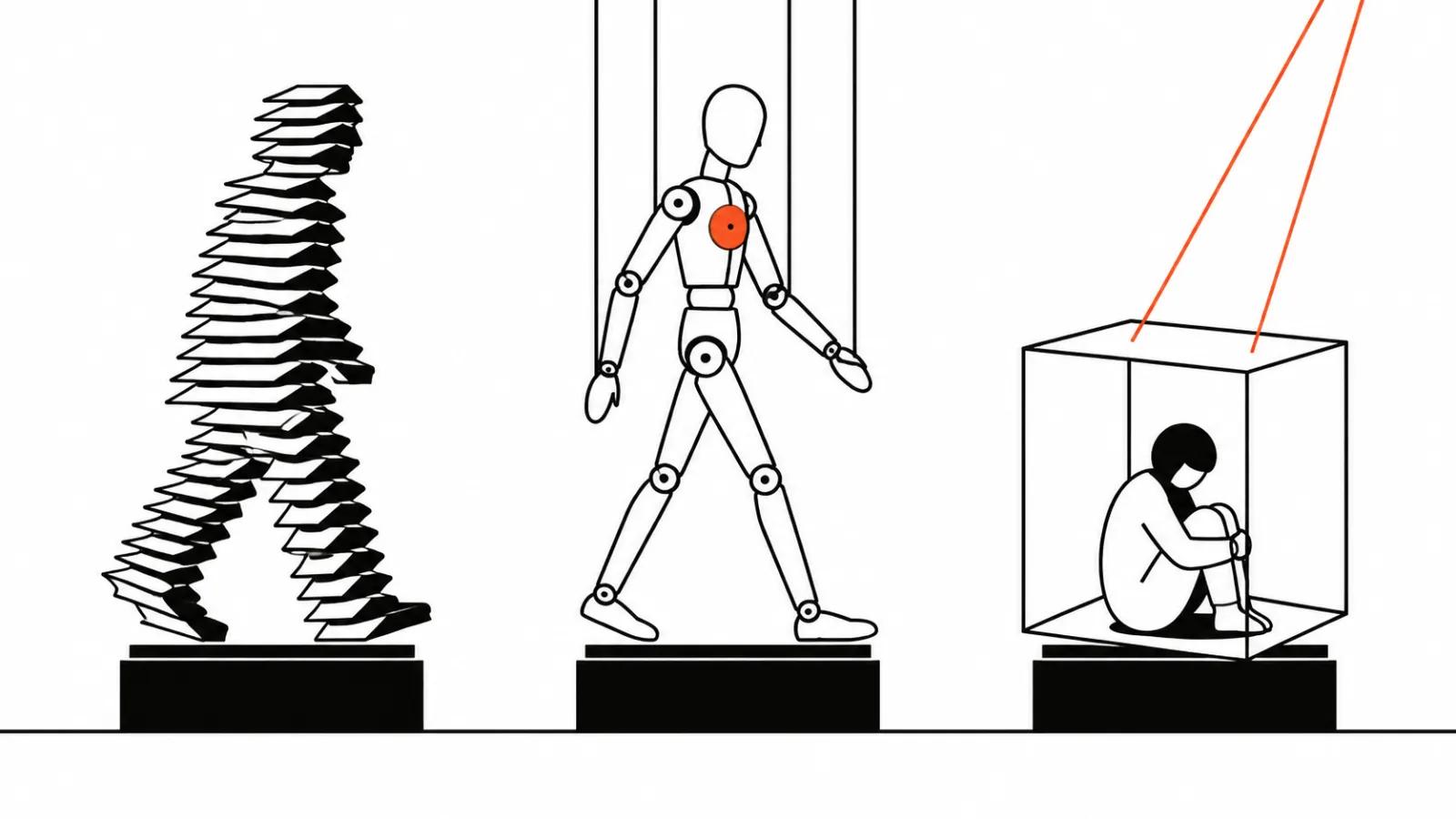
Animation for a commissioned video gets made three ways: cutout from layers, a rigged character, and a three dimensional scene.
All three produce a moving image. The difference appears when a client asks to turn the character or change the camera angle. In one case that is minutes, in another a new drawing, in the third a camera move.
So comparing techniques by price per minute tells you little. Compare them by the price of a change.
Cutout: layers on a table
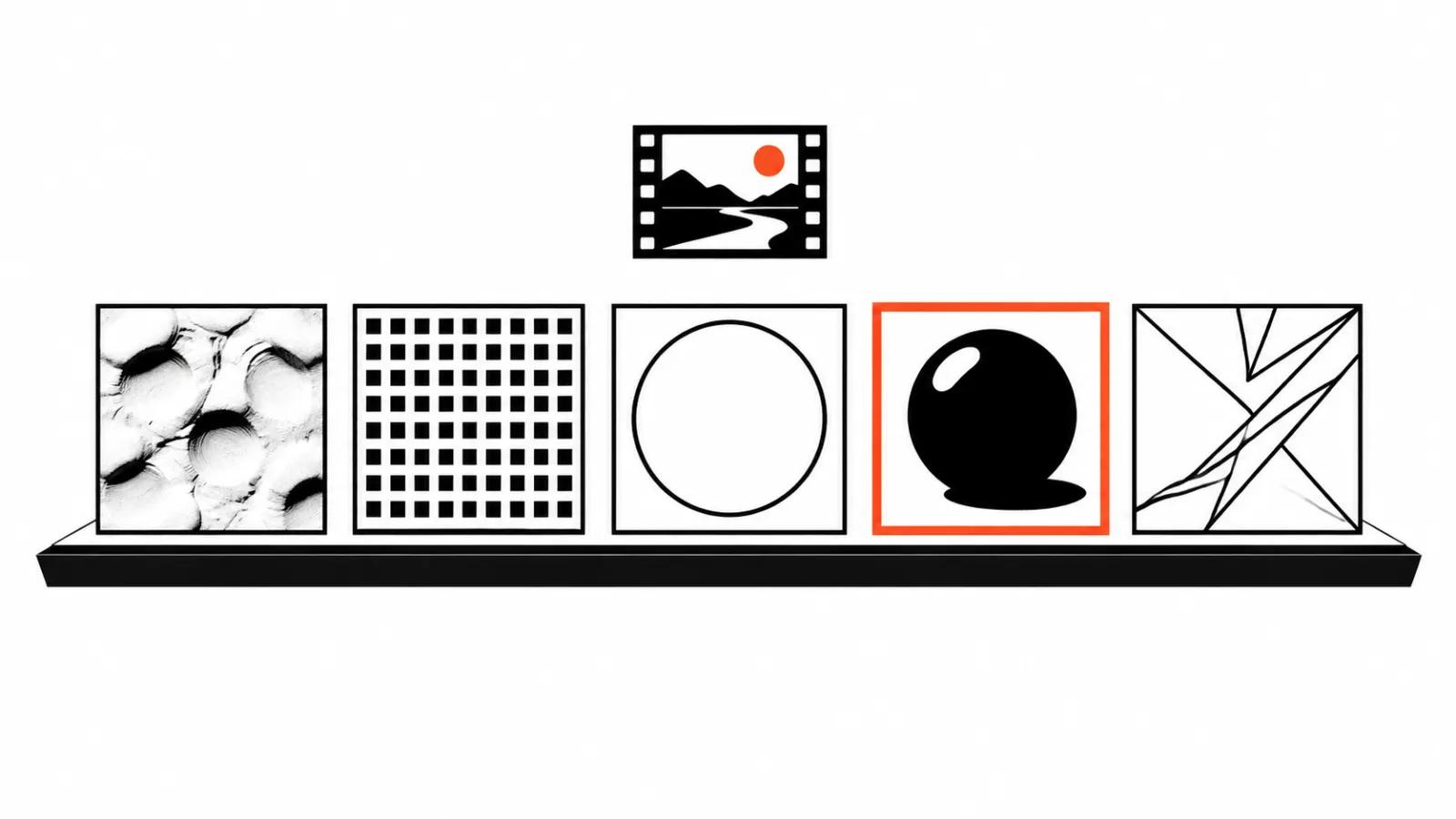
Cutout is a set of flat layers that move against each other. Arms, head and body sit separately, and the animator builds motion from their offsets.
The strength is drawn texture and a line with character. The weak point is that any turn in space needs a new drawing.
Why it matters: cutout is cheapest at the start and most expensive at the turns.
For graphics it is often the perfect choice. Products, arrows, diagrams and type live in a flat world, and cutout works there without losses.
Rigging: a character as a construction
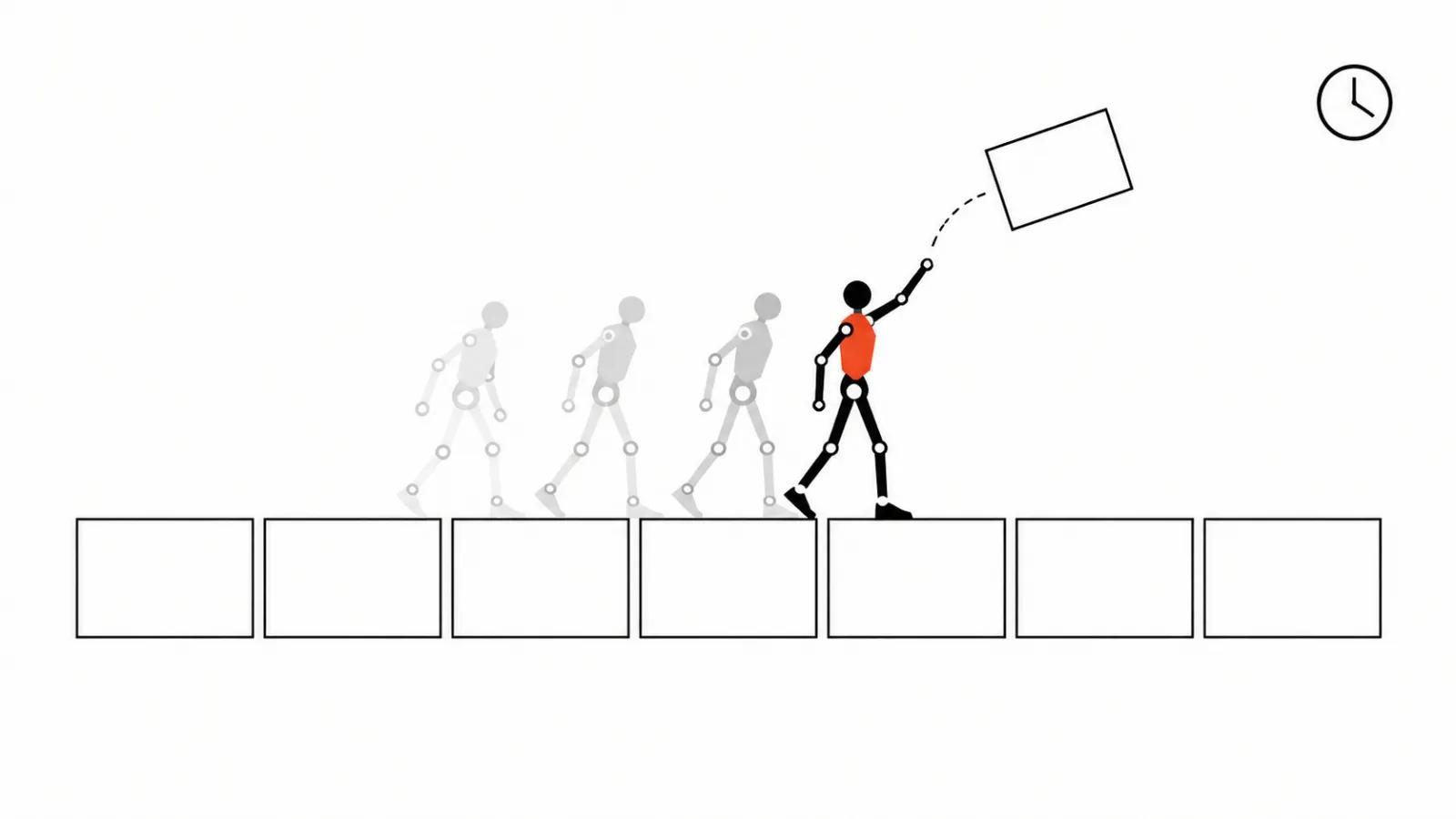
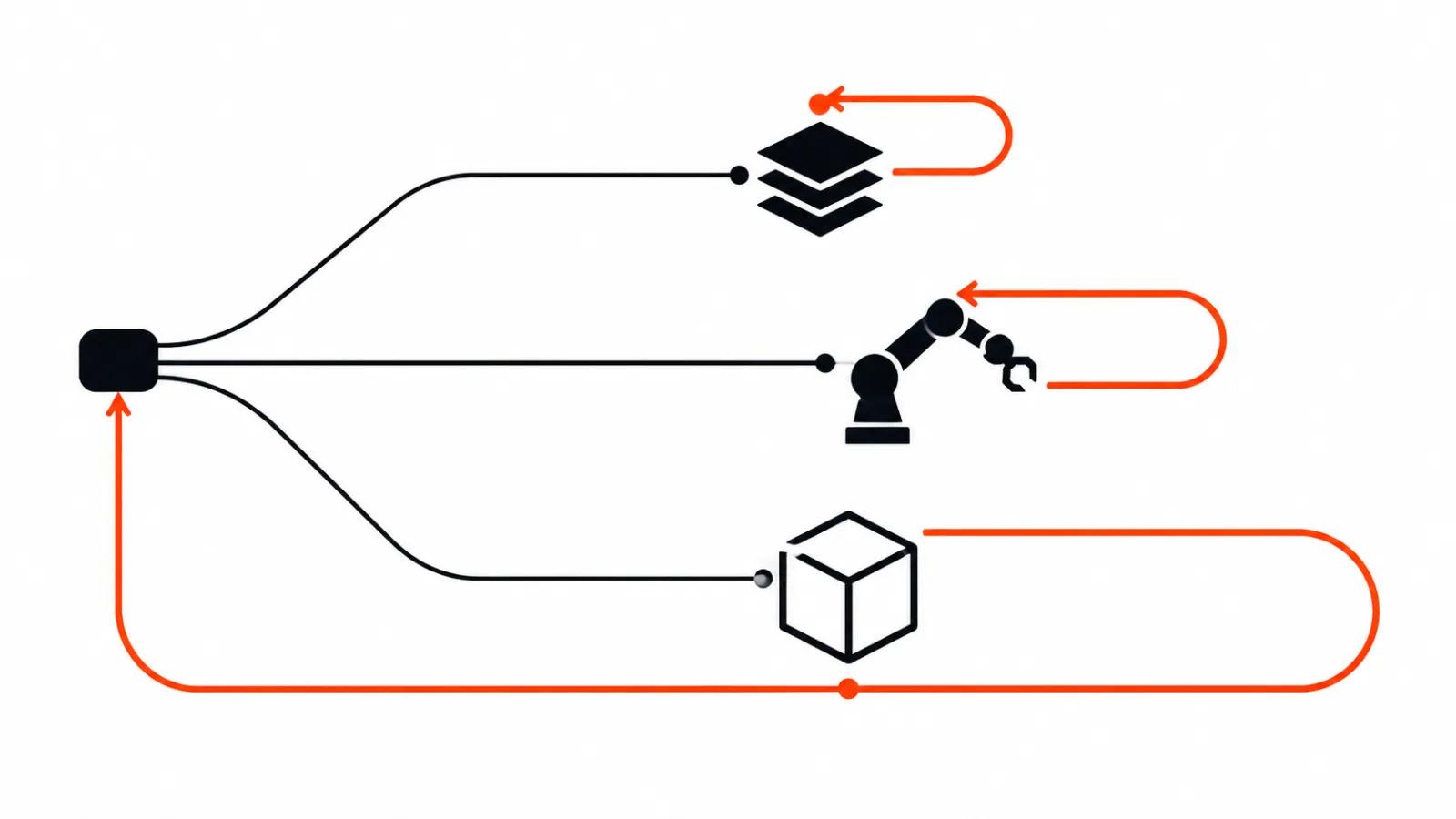
Rigging builds the character once: a skeleton, bound layers, controls. After that the animator moves the construction, and it bends believably.
A motion library appears as a result. A jump, a step, a head turn get assembled from ready fragments, and a new episode with the same hero is faster than the first.
Why it matters: rigging pays off on a series. The first video is expensive, and later episodes with the same character cost noticeably less.
The trade-off is real. A construction sets limits: a character built for a calm walk will not fight well, and the rig gets rebuilt.
3D: camera and light
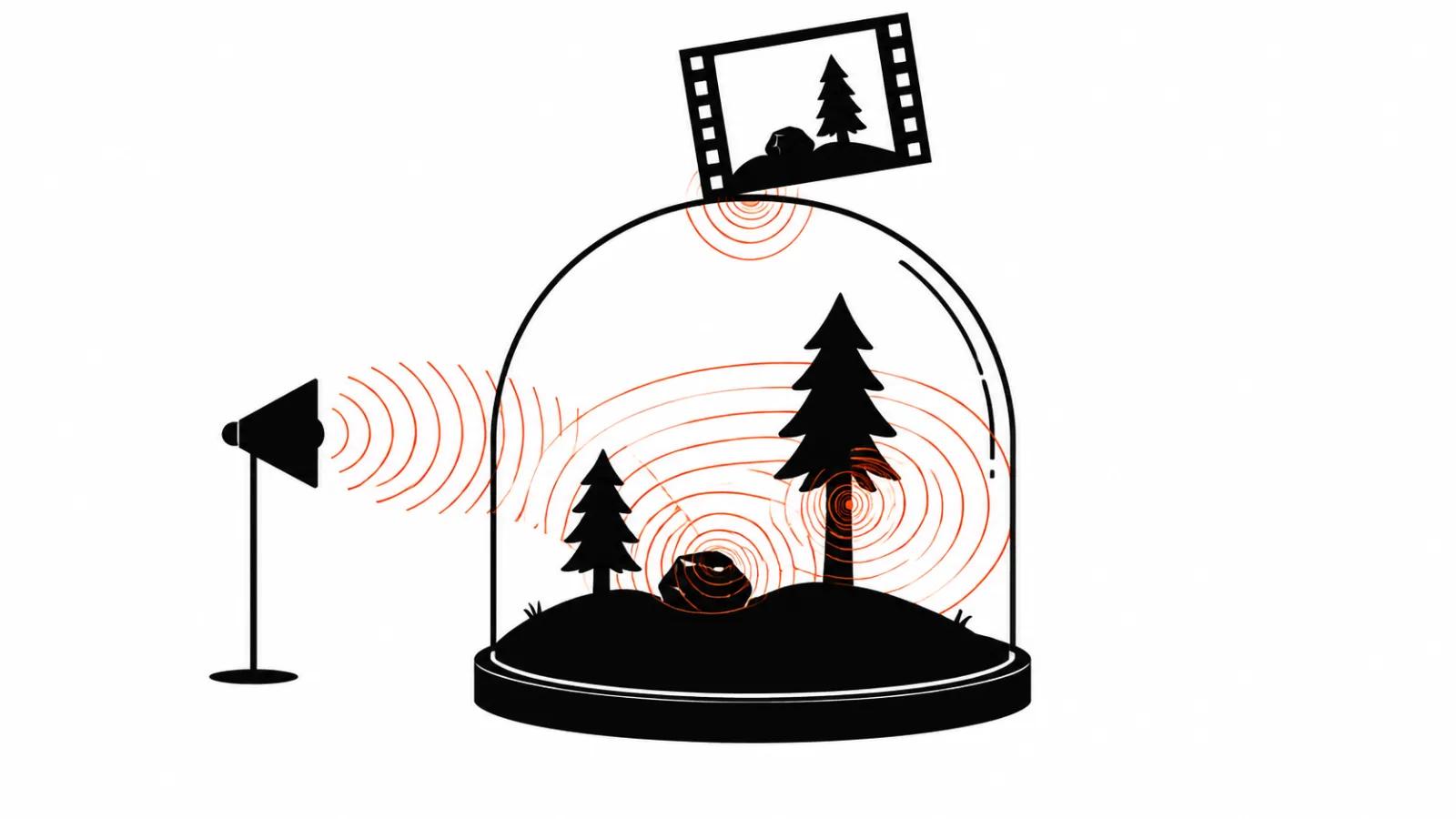
A three dimensional scene gives a camera that flies anywhere and light that changes without redrawing.
The cost sits in setup: materials, lighting, rendering. A draft looks worse than the final, and a client struggles to judge the result halfway through.
Why it matters: 3D is irreplaceable when the shot needs volume, reflections and an object seen from every side.
In practice techniques get mixed. A drawn character can sit inside a 3D background while the motion graphics come from a separate build. That saves on volume and keeps the drawn character, provided both halves match in light and grain.
Why twelve frames per second is normal
Cinema runs at twenty four frames per second. Classic hand drawn animation is often done "on twos": each drawing holds for two frames, which gives twelve unique images per second, and the eye still reads it as smooth.
That halves the number of drawings without a visible loss of smoothness, and the movement gets a recognizable hand drawn rhythm.
In 3D the computer renders every frame, so it usually runs on all twenty four, and twos appear there as a deliberate stylistic choice.
There is a practical reason too. Twos give the animator time to shape the movement: a pose can be corrected between frames, and the line stays alive.
Where the schedule breaks
The first fault line is character approval. Until the hero is accepted, animation does not start, and everything else waits. Saving on that stage costs more: changing the look after animation is priced like a new scene.
The second fault line is sound. Lines get recorded before animation, because mouth movement and scene rhythm follow the voice. If the script changes after the recording, part of the lip sync gets rebuilt, and the budget shows it.
The third fault line is the edit. A scene that works in a storyboard may fail in the rhythm, and then it moves.
There is a fourth that people remember at the end: approving the final look. Until the outline, the palette and the background are settled, animators work blind, and part of the work goes to waste.
What to ask a studio
Ask which technique the video will use and why that one. The answer shows whether the task was considered.
Ask how many episodes the construction will survive. On a series, rigging pays for itself, and the quote shows it.
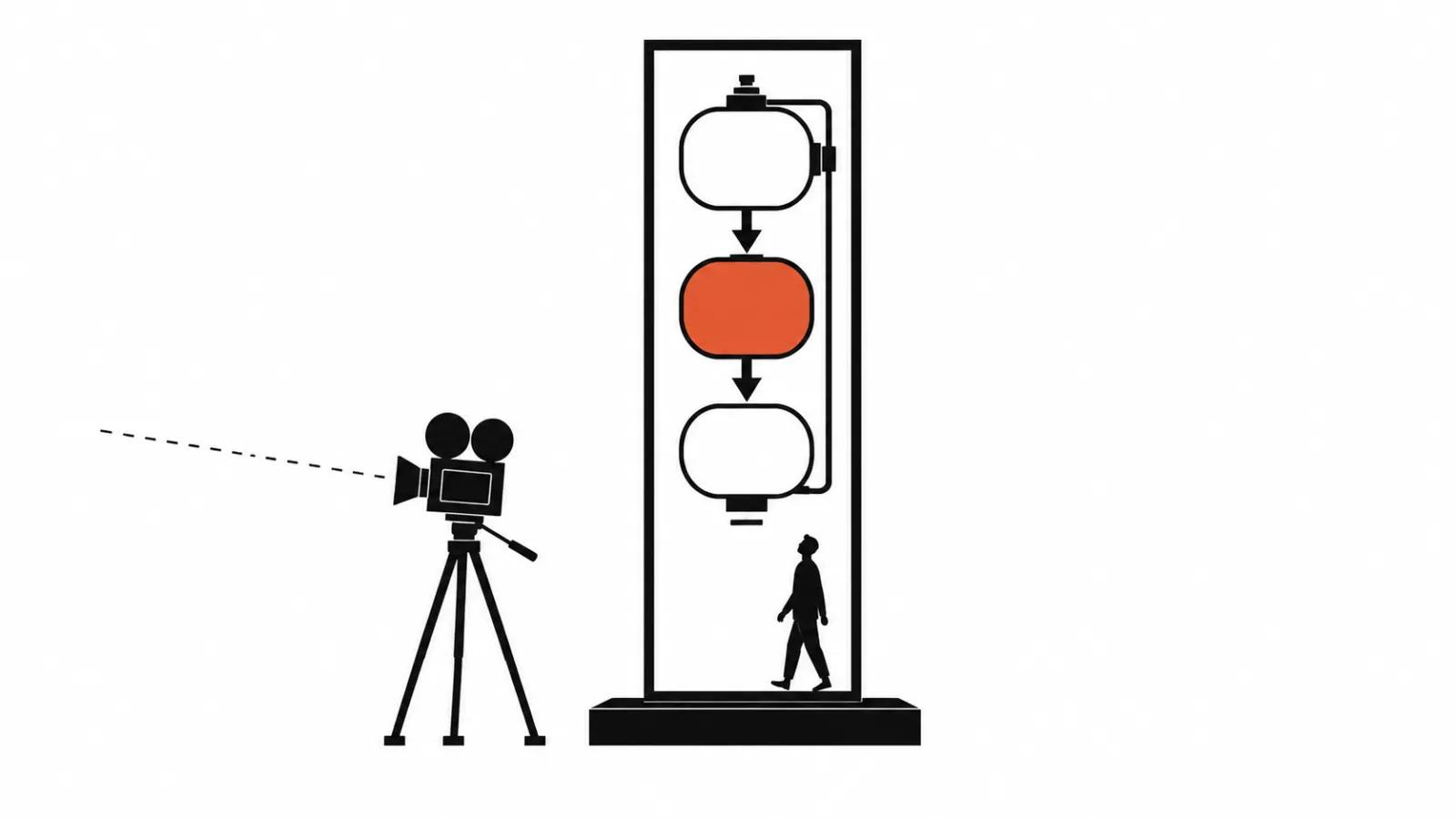
Ask what the draft includes. An animatic with sound and no detail is a normal stage, and it is the cheapest place to change decisions.
Ask about the library. A project with ready motion and characters gets made faster, and the studio should say what already exists.
Ask who approves the character. If several people share the decision, the schedule grows, and that is worth knowing early.
A test scene is the practical check. Five seconds of a character in motion shows the technique better than any presentation and costs less than a mistake across a whole video.
The conclusion
Animation is chosen by technique. A reference shows what you want, technique shows what a revision does to the bill.
For a single project, cutout gives the most for the money. For a series, rigging. For volume, 3D.
Production comes next: handcrafted videos keep the drawn texture, generated footage covers backgrounds and secondary shots more cheaply, and the two are best combined at the storyboard stage. On a serial project, cartoon production and animated video work in the same planning loop, which is why the technique question belongs at the very start.