What Jimeng shipped on October 29
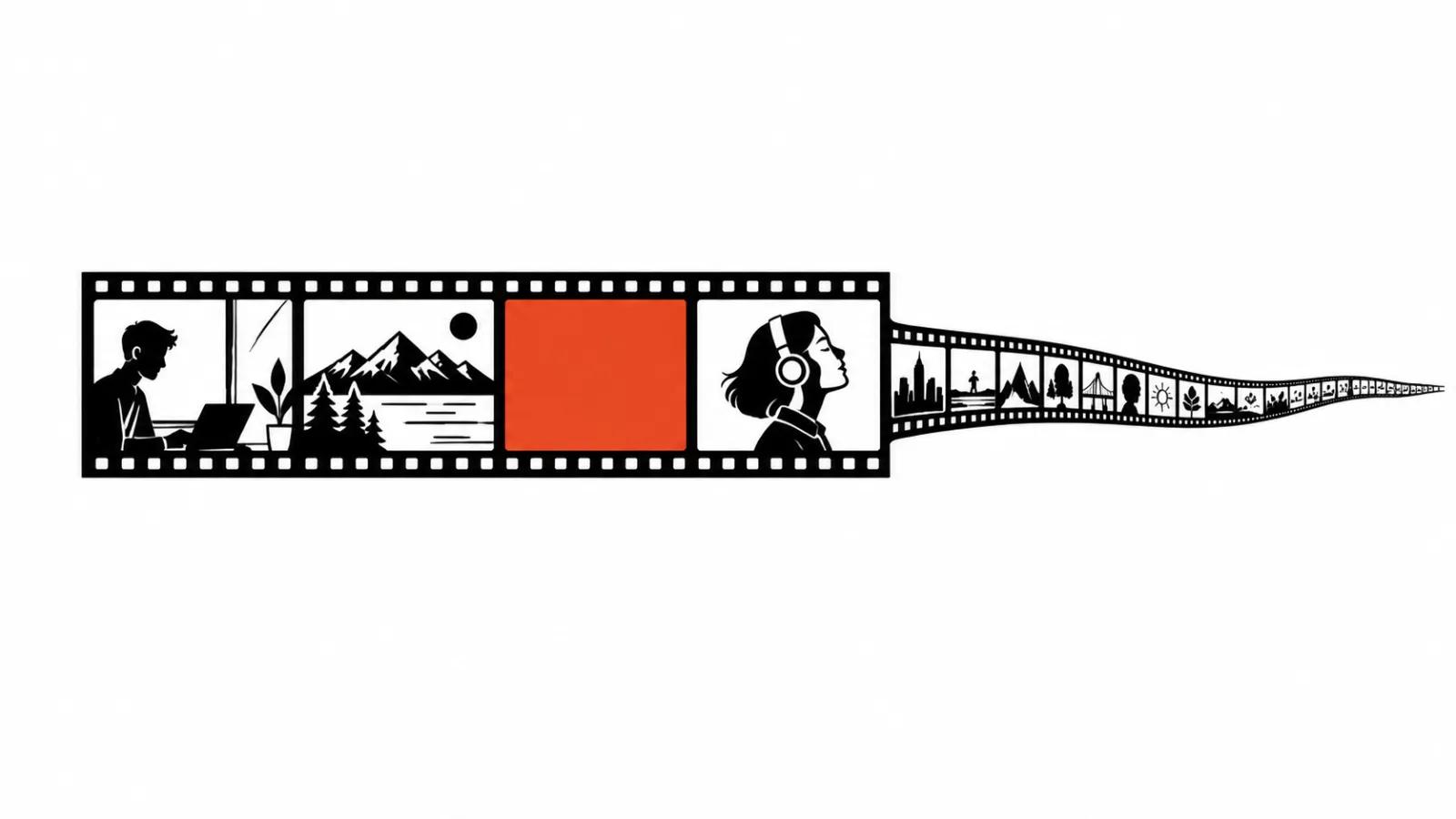
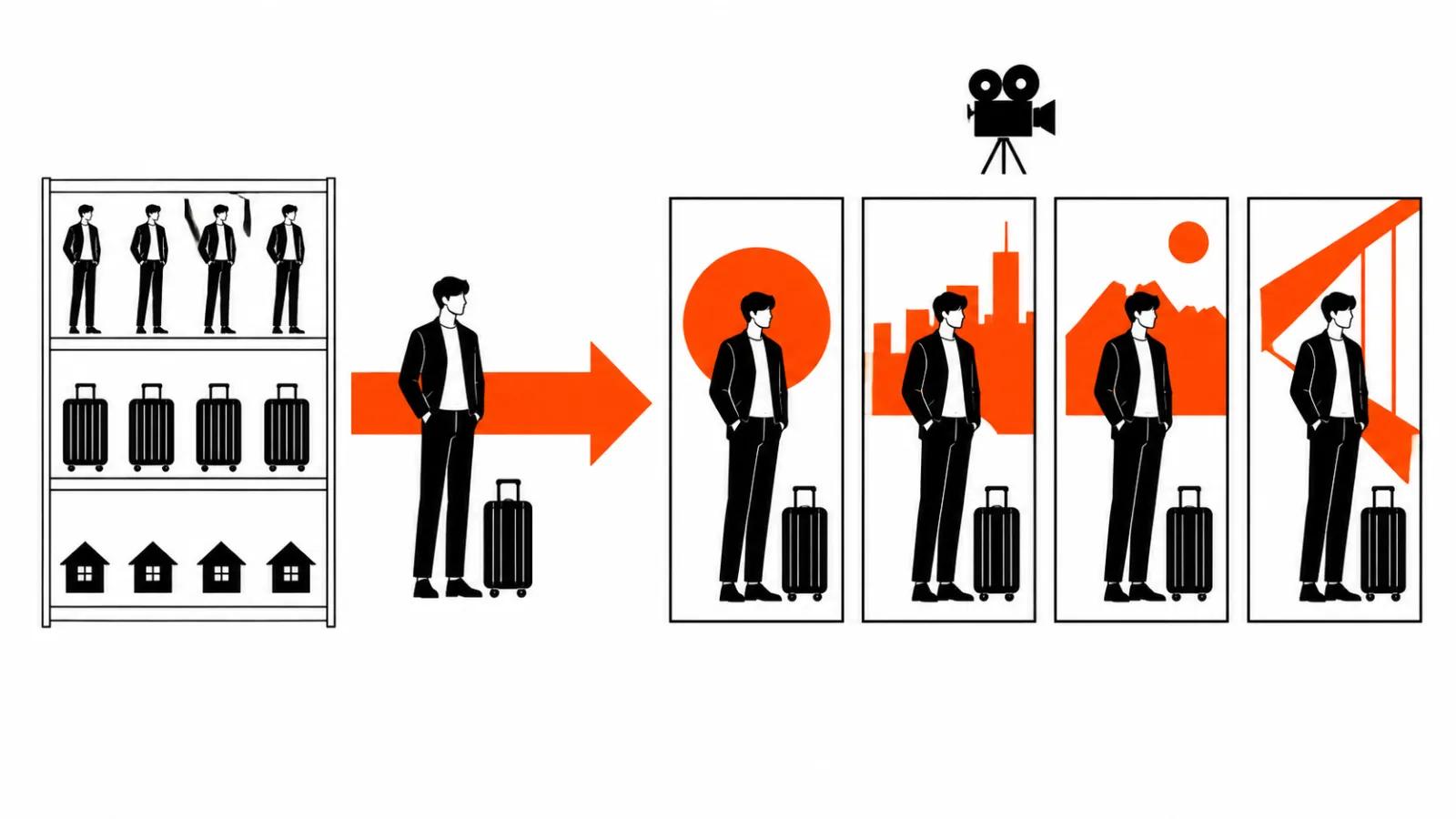
On October 29 Jimeng, ByteDance's AI generation platform, announced Short Drama Studio. In the launch description the tool targets the move from single clips to multi-episode work, and it names three specific pains: a character loses their face between episodes, scenes drift in style, and trial and error burns budget before anyone reaches an edit.
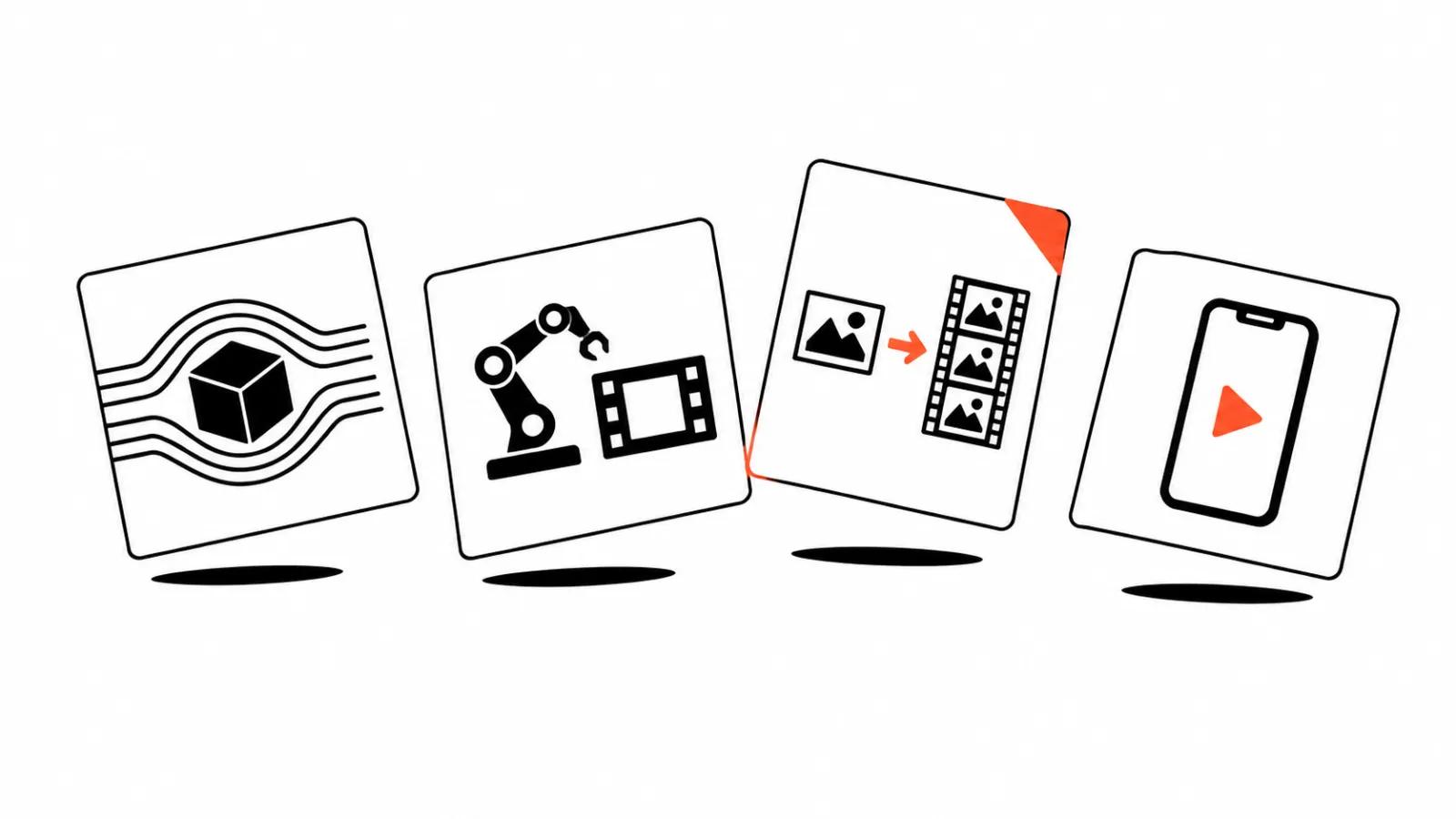
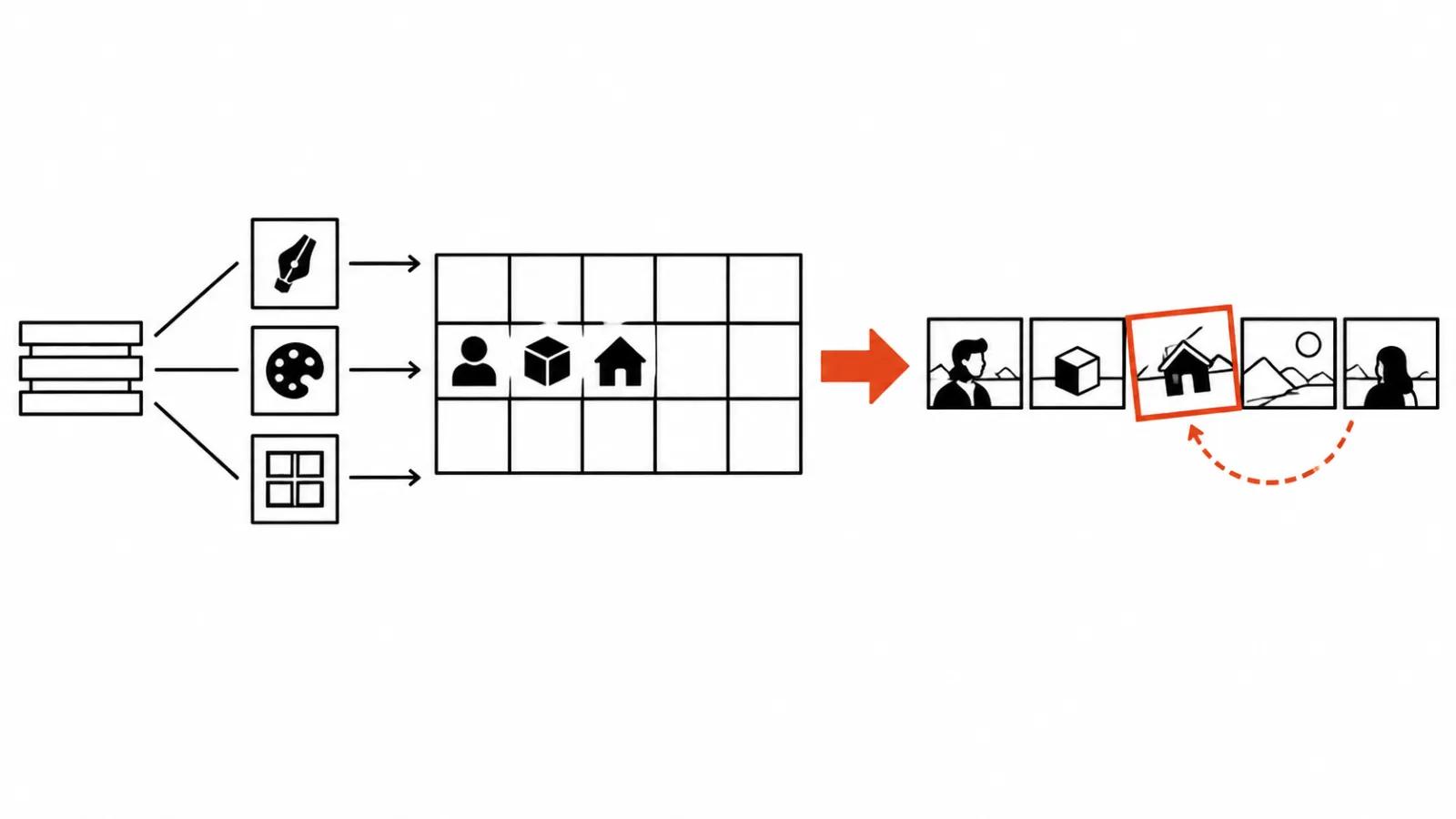
DreamScript writes and parses the script, Anycook handles visual assets, DreamShot builds the storyboard. The company presents the whole thing as one path from idea to final cut. That claim can only be tested on your own project, yet the product logic is already visible in the announcement: the studio sells accumulation of material.
The three models and what each one leaves behind
That split reads like a technical detail. Every row is an object you can reuse later, so episode two starts from episode one.
| Model | Job | What stays in the project |
|---|---|---|
| DreamScript | script | characters, scenes and props as separate objects |
| Anycook | visual assets | the look of heroes, locations and objects |
| DreamShot | storyboard | shots, their order and framing |
The asset library is the real shift
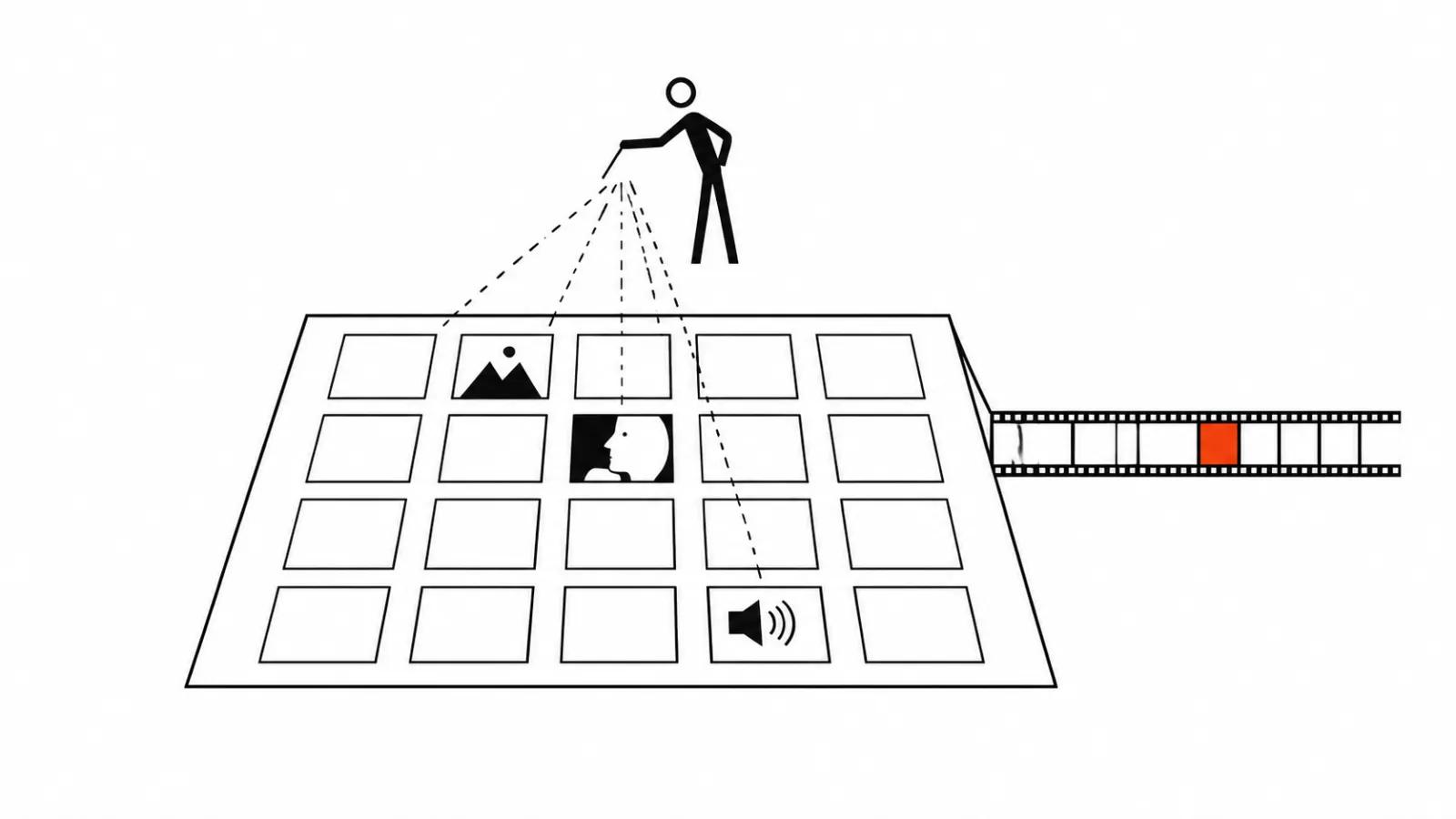
Once a script is imported or generated, the system parses it into characters, scenes and props, and files them into an asset library. Those objects then get called into later shots, into sequels, into style transfers. The launch description credits this with removing the visual drift that appears whenever parameters are set again.
In plain terms, the studio turns generation into a production line with a warehouse. Anyone who has built an episode out of ten prompted clips knows the price of that attempt: by the fifth shot the hero is a different person, the jacket changed color, the window moved to another wall. Reference sheets fix that, and here the fixing is part of the process.
3D Director Stage: pay for previs, save on renders
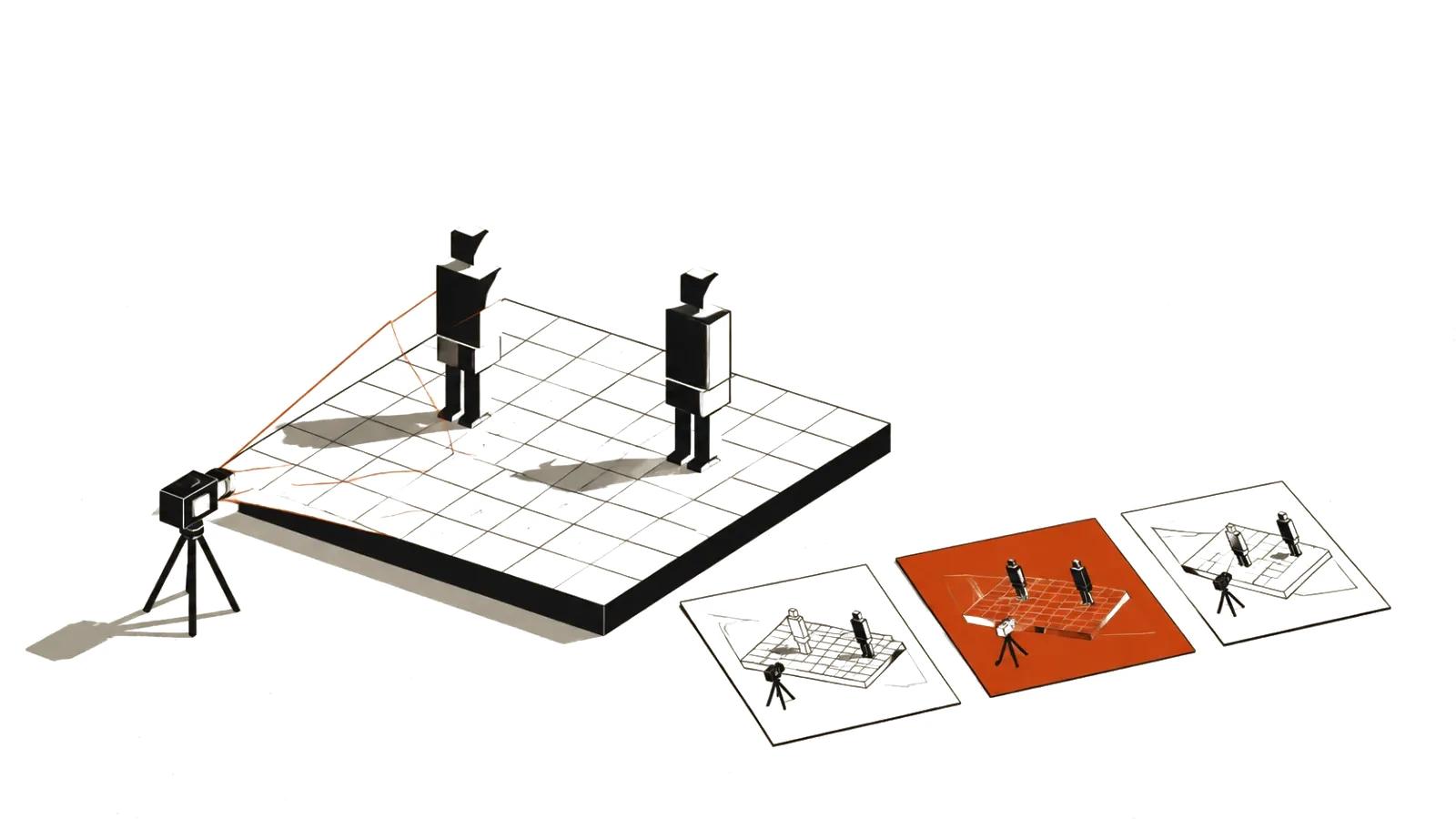
The mechanics are simple. A scene gets blocked in 3D first: camera moves, character placement, motion paths. The announcement calls it the 3D Director Stage and smart previsualization, and the goal is one thing, a cheap dynamic reference before compute gets spent.
That matters more for a series than for an ad. An ad scene lives three seconds and a bad take shows immediately. A series repeats the same set ten times, and a geometry error propagates across the season. Rebuilding thirty seconds costs more than nudging a camera in 3D.
Partial regeneration and notes on single frames
The third part of the announcement is about fixes. The studio claims partial regeneration, audio separation and frame-level notes: the costume is wrong, the movement looks unnatural, one fragment needs work. In the usual setup you rebuild the whole segment and hunt for a good take again.
The saving here is counted in runs. The difference shows on a long project: ten episodes of ten minutes where every fix forces a full rebuild, against the same ten episodes where fixes happen per frame.
What a second costs, per the iFanr test
Per a test by iFanr, with the Double Eleven promotion a second of Seedance 2.5 at 720p comes to about 0.19 yuan. That is test data from a publication, and the launch notes carry no official price list.
Run it against volume. A minute of finished material at that rate is roughly 11.4 yuan, ten minutes about 114 yuan. A single six-second take runs about 1.14 yuan, and the real math starts there: twenty failed attempts at one scene already cost about 22.8 yuan, and a ten-minute episode is built from hundreds of such decisions.
iFanr notes in the report that the saving comes from fewer wasted attempts, delivered by asset reuse and previs, while the per-second rate stays a ceiling. I agree. It is also the weakest part of any launch note: a promise of fewer mistakes can only be checked on your own footage.
What this changes for series work
The first conclusion is about input. The asset library works when the script is parsed early: who the hero is, what they carry, which locations repeat. Raw text in gives you a junk library, and then the studio carefully mass-produces junk.
The second conclusion is about format. On platforms with a vertical feed the episode is planned in 9:16 from the start, because rebuilding horizontal footage for vertical means new runs and new money. The vertical microdramas market grew around that arithmetic, and the tooling is catching up with it.
The third conclusion is about the division of labor. Scenes that need a face, a reaction and live delivery stay with a camera: those are handcrafted videos, and generation does not replace them yet. The middle layer, meaning backdrops, environments, transitions and inserts, goes to AI video production. Ad series for social feeds often run as vertical video ads with one recurring hero and a repeated bumper.
The verdict
My position: the interesting part of this launch is not image quality. The market has seen good single frames, and quality stopped being an argument. The shift from prompt to library is the story. If assets, previs and frame-level fixes hold up, a series stops being a lottery and becomes a shift with a plan. Small teams with preparation discipline gain, and the ones hoping to win on volume of retries lose.
Test it on short form: three episodes of two minutes, one asset set, one previs pass. If the hero holds across all three, the tool works. If the face drifts in episode two, no per-second price will rescue the project.