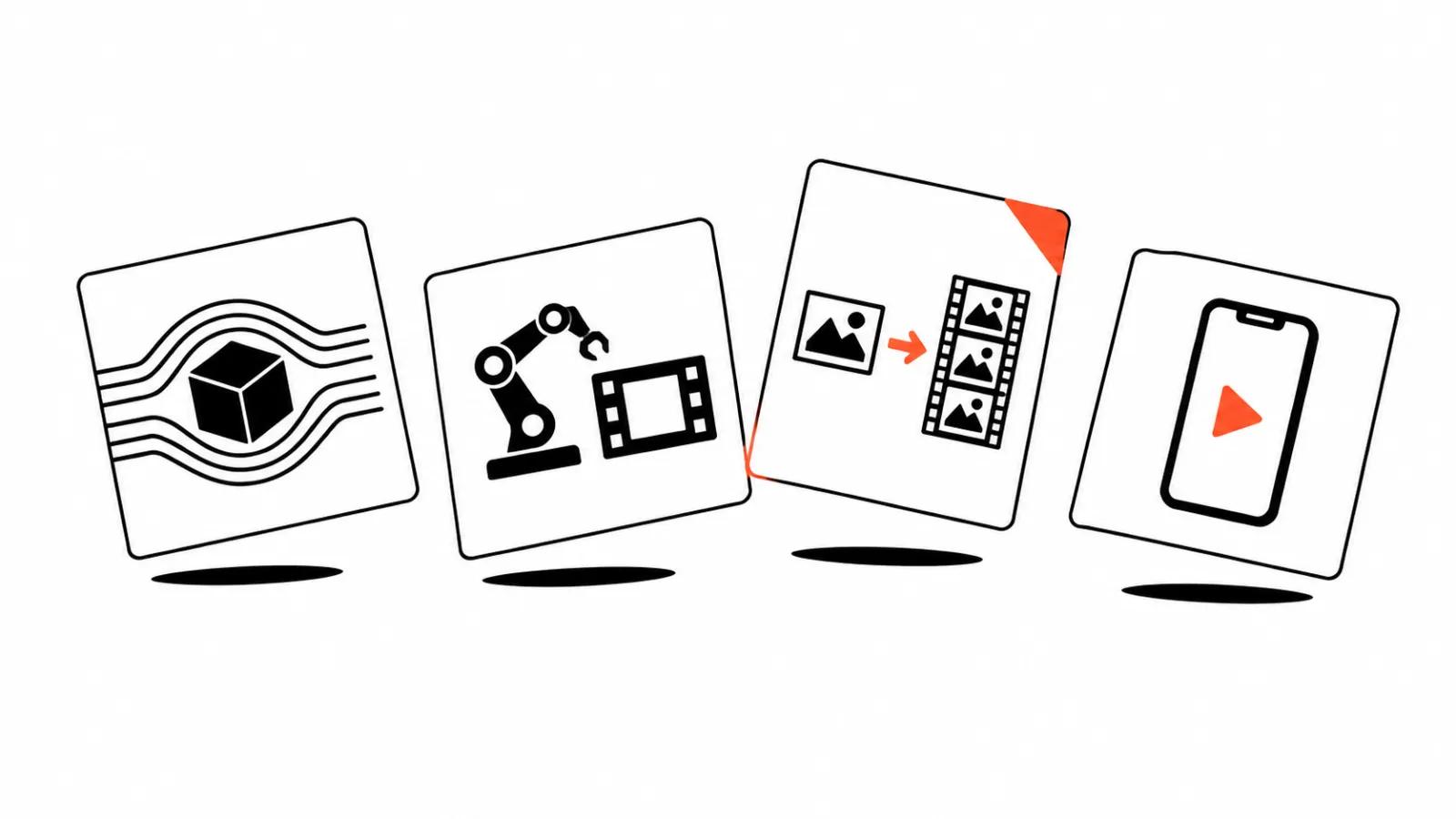
The chat window became a video tool
A year ago video generation meant a separate product with its own interface. Now the interface is a conversation. Gemini in the app generates video from a prompt and edits it across several turns. ChatGPT hosts plugins that bring an editor inside the chat, and CapCut announced exactly that on 24 October. Tools like invideo MCP go further and let an outside assistant drive a professional timeline.
The pattern is the same in all three cases. A person describes the result, the assistant produces material, and the finishing work happens somewhere with a timeline. The chat owns the wording, the editor owns the precision.
What an assistant actually returns
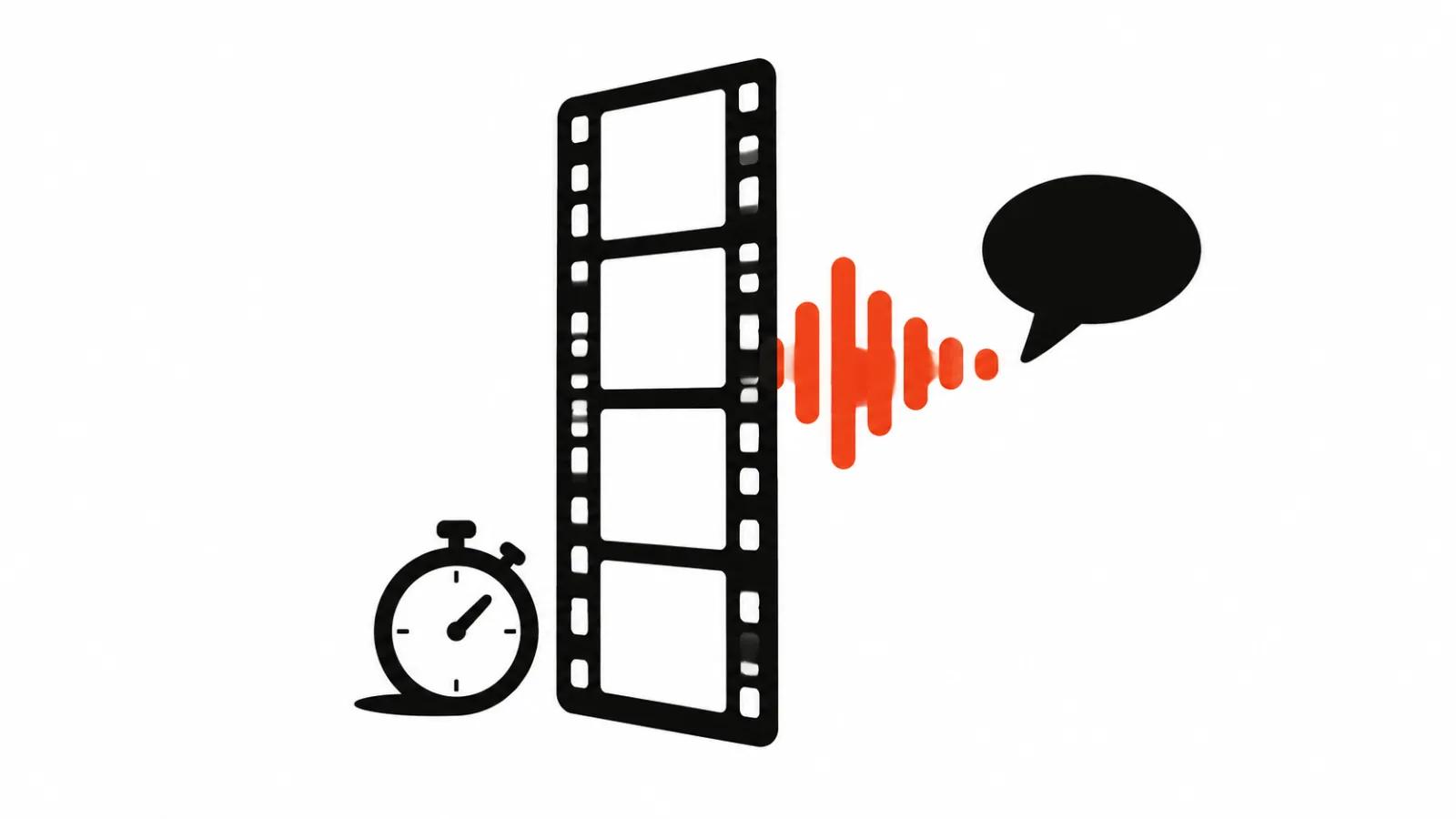
The output is short. Gemini Omni in the Gemini app creates ten second videos, generates native audio alongside the picture, and can start from up to five photo references. Longer material is assembled, since a single generation has a fixed length.
Multi-turn editing is the useful part. A person asks for a change and the assistant applies it to the previous result, so a scene can be adjusted without starting from a blank prompt. That loop replaced the old routine of rewriting a prompt and hoping for a better draw.
The catch is that every turn is a new render. Changes accumulate, and a scene that went through five rounds is not the same scene with five fixes, it is a fifth generation of the idea.
Stitching fragments into a longer cut
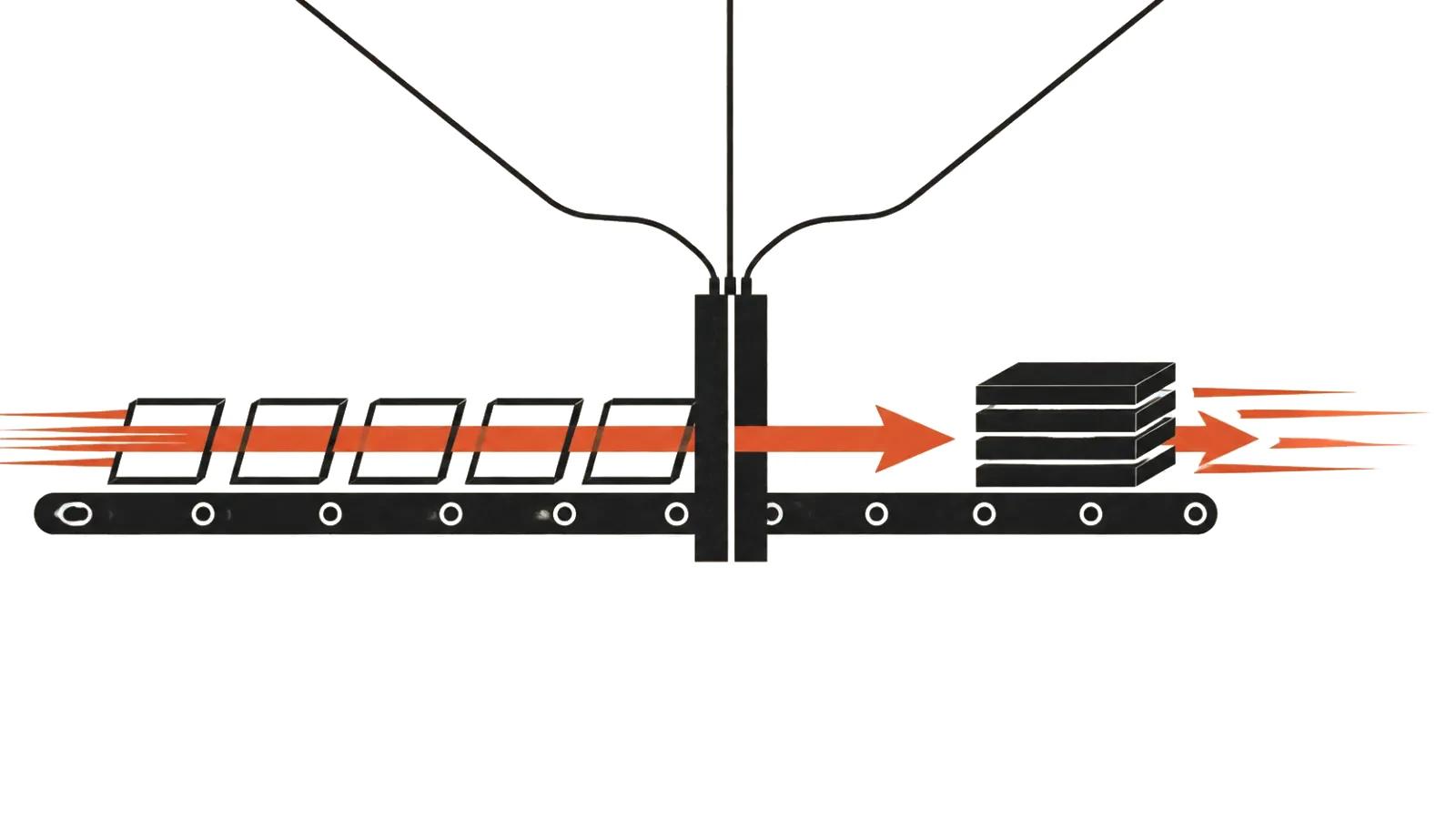
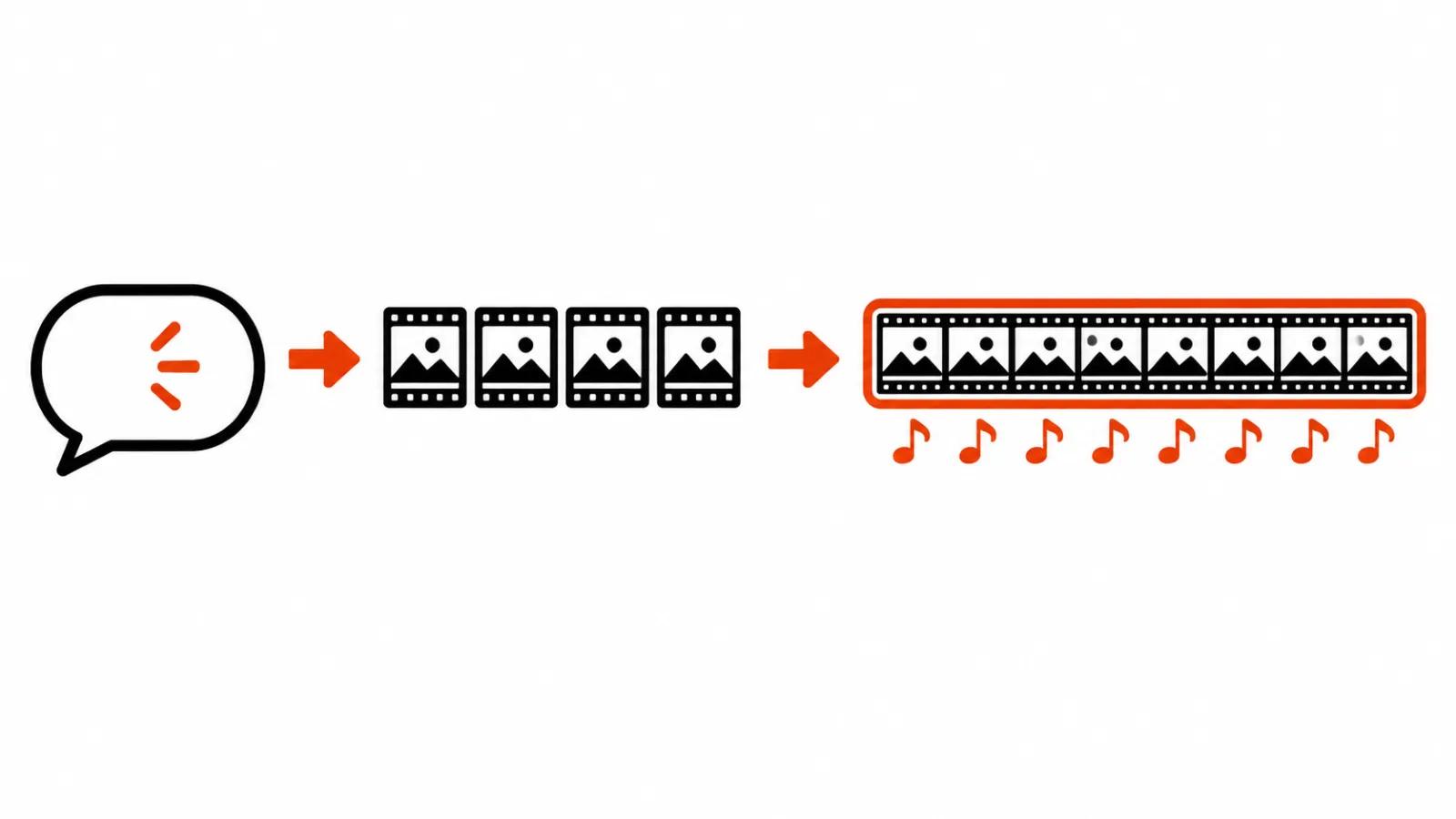
Two mechanisms stretch a ten second clip into something watchable. The first is scene extension, where the assistant continues the previous shot and keeps the look. The second is an actual timeline, where fragments sit as separate clips.
That second path is where the serious work lives. invideo MCP gives an agent a frame-accurate multitrack timeline with separate video and audio layers, keyframes, colour tools and version control. CapCut keeps its web editor for the same job and takes the chat draft as an input. In both cases the person ends up in a program that can cut.
Stitching is not storytelling. A sequence of ten second shots holds together when someone decided what the sequence means, and that decision stays outside the assistant.
Subscriptions decide the format
Access is gated, and the gate shapes what people make. Gemini video generation in the app requires a Google AI subscription, and the features vary by tier and by geography, with an age limit of eighteen. The assistant is not a free generator with a queue, it is a paid tier with a feature list.
The editor route is priced differently. invideo keeps its manual editor free and charges credits for generation through the agent, while the assistant's own plan requirements still apply on top. Two subscriptions can sit between a person and one clip.
That structure explains the genre. When each generation costs credits and every rerun is billed, people learn to write tighter prompts and to accept the first usable result. Short clips fit that economy, long projects do not.
Watermarks and disclosure
Generated video now arrives labelled. Every video made in the Gemini app carries SynthID, an imperceptible watermark, and the app can check an uploaded file for that mark and answer whether Google AI produced it.
For a business this is a fact of production that has to be planned into the workflow. A clip with an embedded mark is identifiable years later, and platforms increasingly ask for disclosure. Building a workflow that assumes a visible or invisible label is cheaper than retrofitting one after a complaint.
What the format cannot do
Four things stay out of reach. Rhythm, because pace is a decision about the audience and the placement. Sound design, because a generated track sits under the voice at a fixed level and a real mix needs faders. Product detail, because packaging, small print and hands remain the first place where generation gives itself away.
Rights come fourth. A face that resembles a real person, a voice that resembles a recognisable one, music that resembles a known track: consent and licensing sit outside the chat window, and liability sits with whoever publishes.
When the format is enough
The format earns its place in three jobs. Social posts and stories, where a ten second clip is the whole unit. Tests, where a team needs ten versions of an offer before committing to a shoot. Explainers, where the visual carries a process that cannot be filmed.
For volume, short-form video at scale is the right comparison, since the price is measured per view and the economics rest on repetition. For a piece that has to survive a year, the chat is the wrong starting point.
A short checklist before starting
Write the brief as a shot list, since a prompt that describes one shot returns one shot. Decide the destination first, because vertical and horizontal change the framing and the pace. Keep the fragments, since a rerun rarely reproduces the same frame. Budget the finishing time, because assembly, sound and captions are the hours nobody counts.
If the job outgrows the chat, the market has longer and more controllable options, and AI video prompts are compared in more detail elsewhere. For commercial work the pipeline matters more than the model: AI video production combines several tools and frame generation is one stage. When the clip has to hold up in a close up, handcrafted videos start at $394.