What was announced in Los Angeles
The post went out from the CapCut account on X on 24 October at 18:34 UTC, during the CapCut World conference in Los Angeles. The wording is short: a CapCut plugin is coming soon to ChatGPT, and it brings CapCut's video editing and generation tools into the chat.
That is everything the company said officially. No date, no price, no list of models, no list of countries.
CapCut is not first here. Pika opened its plugin in ChatGPT on 16 October, and the logic is the same for both companies: own the window where a person phrases the task. The difference is what they sell. Pika sells generation, CapCut sells editing.
Three steps from an idea to a clip
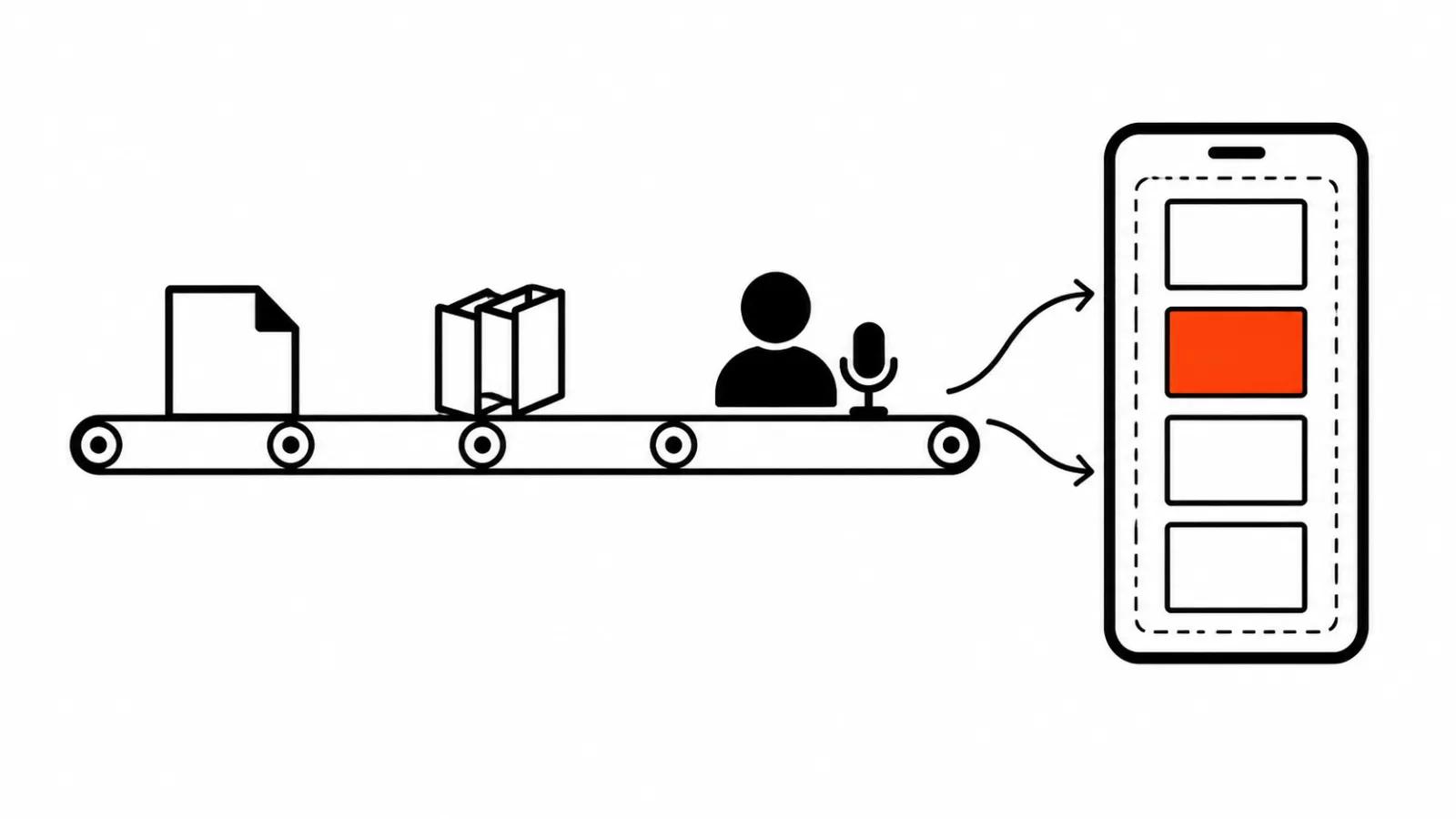
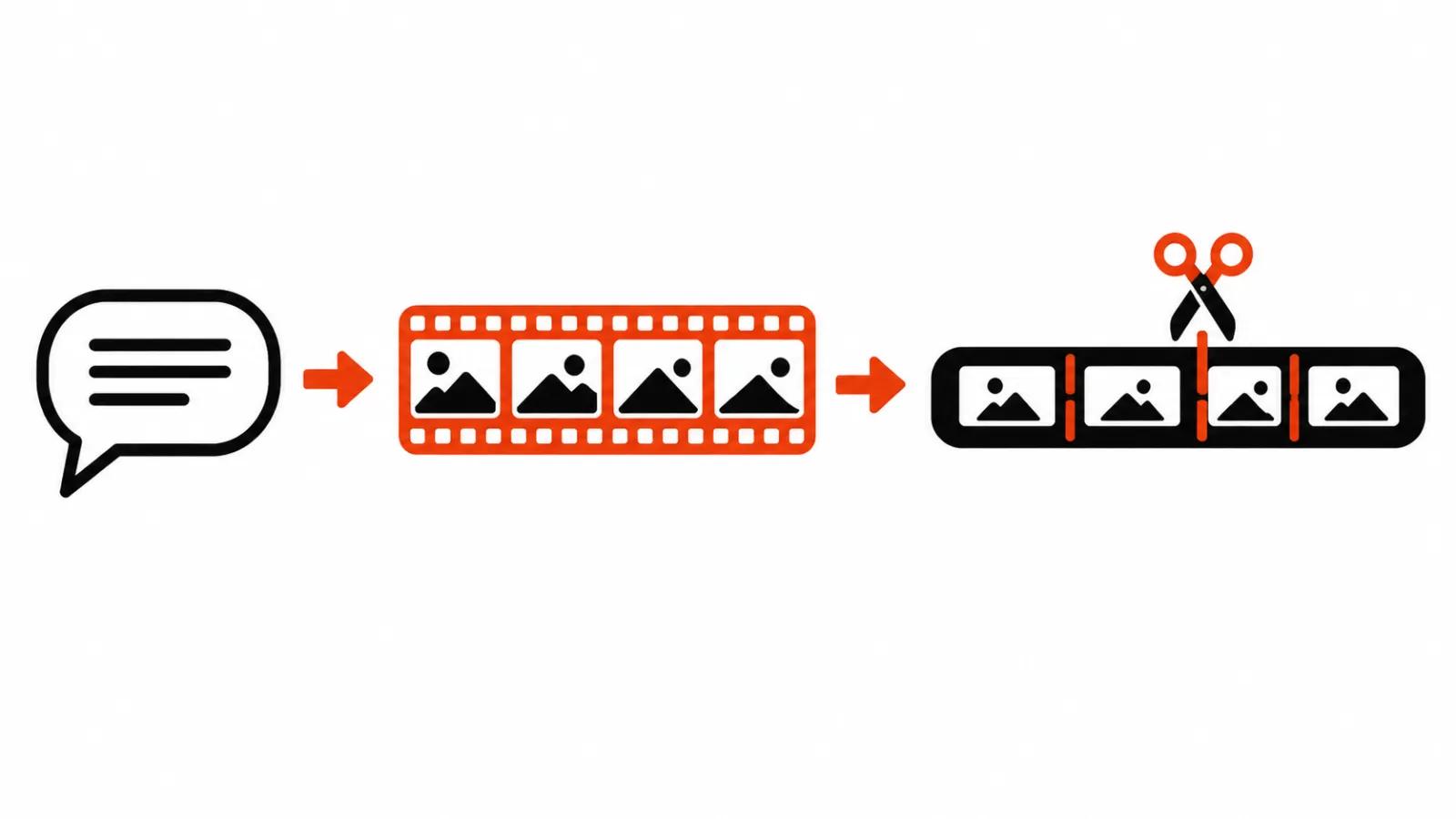
The scenario in the announcement runs in three steps. A person starts with an idea in ChatGPT, brings it to life with the CapCut plugin inside the chat, and gets a draft video. The draft then goes to the CapCut web editor to be refined, published and shared.
The split of duties makes sense. The chat handles the wording and the first assembly, the editor handles precise work on a timeline. That is how people already work: an idea appears in conversation, the final cut happens in an editing program.
The important word is "draft". The announcement does not promise a finished film out of the chat. It promises material that still needs work. That is an honest line, and it matches what any generator shows in practice.
What CapCut brings with it
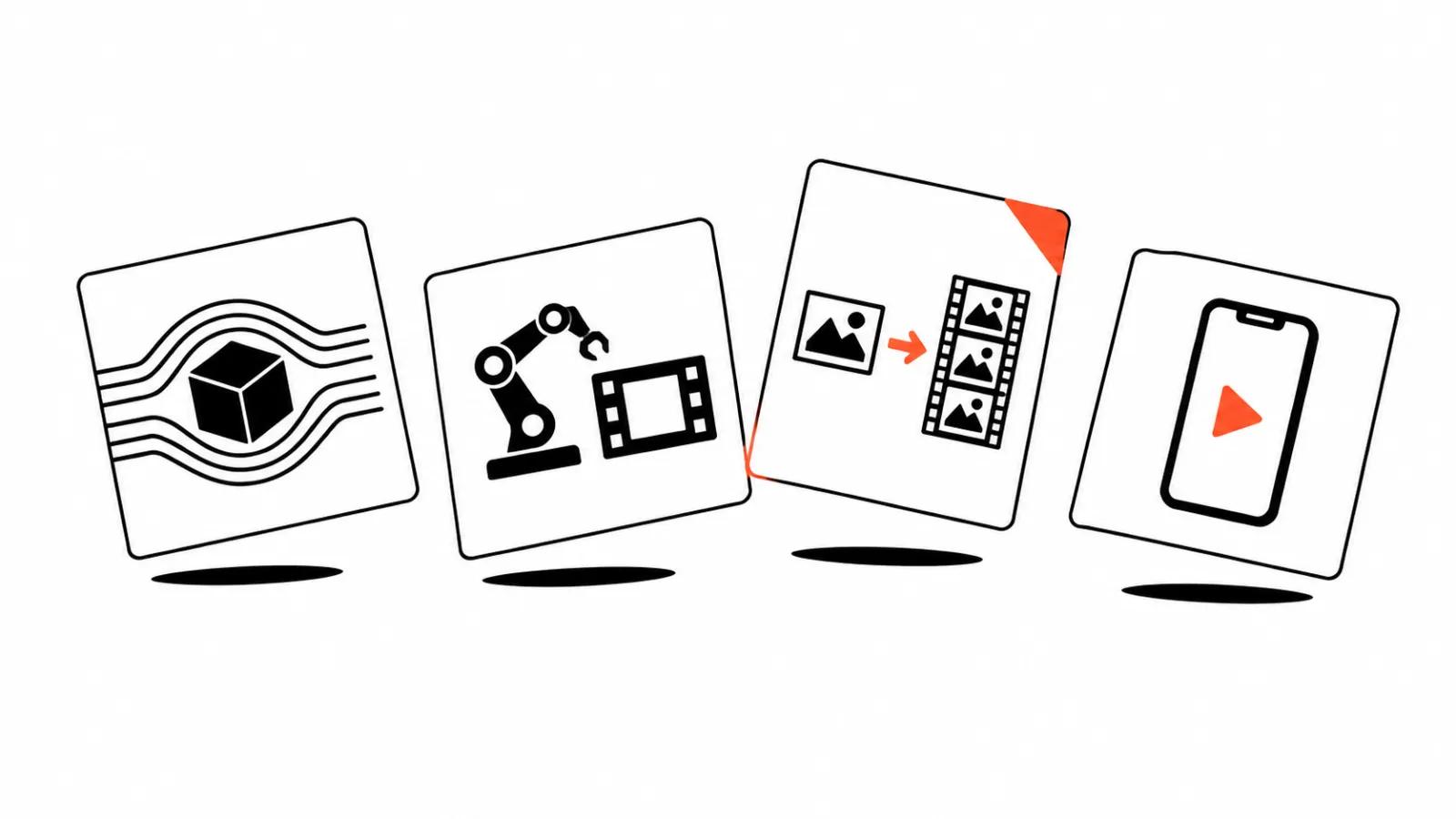
To understand the plugin, look at the editor itself. The CapCut site currently puts three things side by side: Video Studio, where a short conversation with the AI editor builds a video from scratch along with a style and an avatar, a video generator that turns text, images or keyframes into footage, and text to speech for voiceover.
If the phrase about editing and generation tools is accurate, that set is what arrives in the chat. The company promises no new capability. It moves what exists into a window where people type requests in words.
For CapCut this is a way to take the first step. While the idea is fresh, the person is in the chat. The editor gets opened later, once the idea has been described. If the plugin works, the editor receives a ready input and the chat gets a reason to stay open.
Where the draft hits a wall
A draft from a chat solves one task: seeing quickly how an idea looks on screen. After that the work begins that a chat does not do.
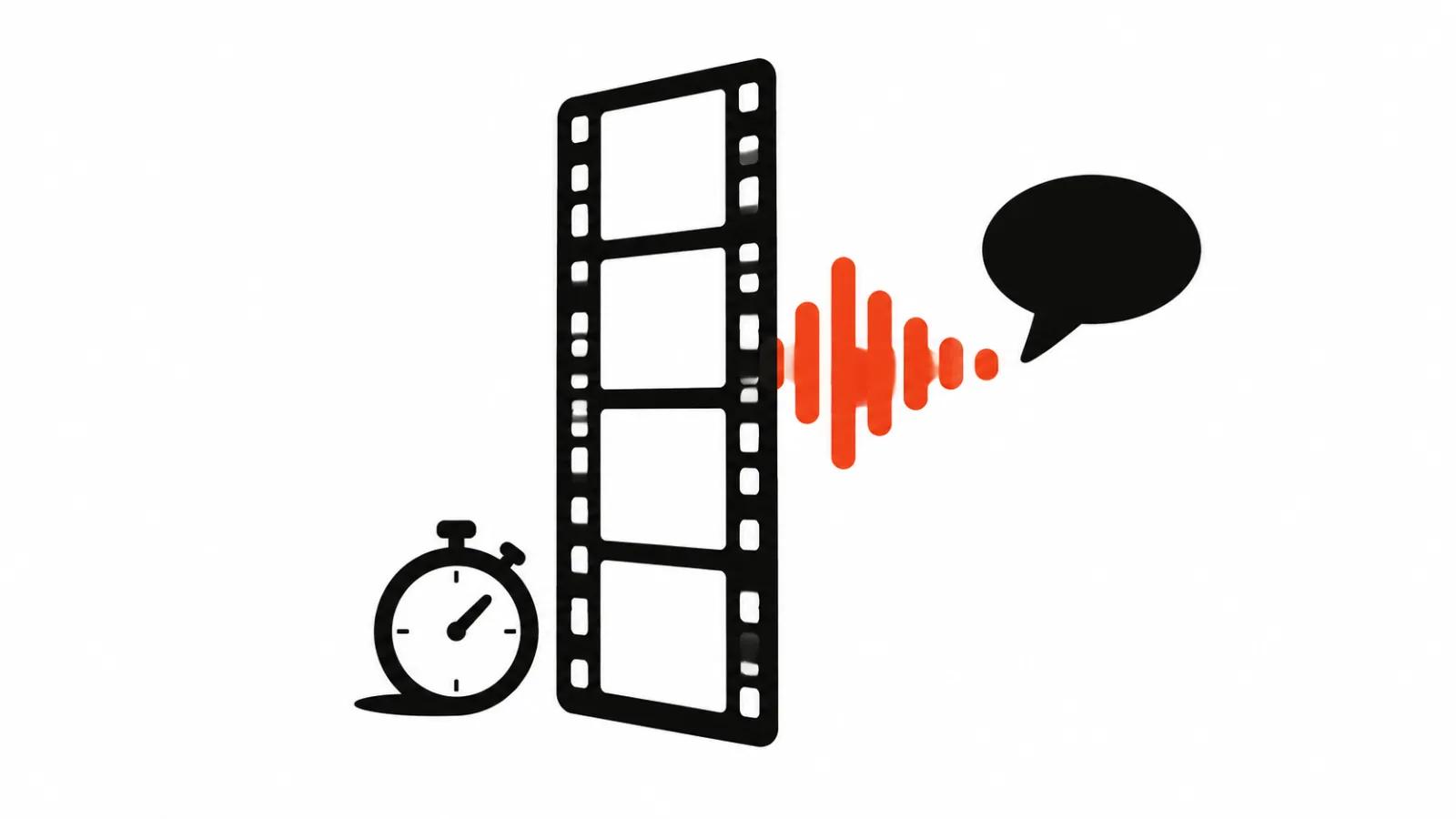
First, rhythm. Editing rests on shot length and on where the cut lands. A model can propose a sequence, and the sense of pace stays with a person, who reads it against the platform.
Second, sound. Voice level, music under speech, a pause and silence at the right moment. Voiceover from a chat sounds even, and that is audible by the third shot.
Third, product detail. Packaging, small print, a logo, hands. In a close up generation gives itself away, and a prompt does not fix it.
Fourth, rights. A face, a voice, music, a trademark in frame. The plugin does not collect consent. Liability stays with whoever publishes.
Why the chat window became the front door
A year ago the argument was about whose model was better. The argument now is about where the work starts. Editors move into the chat because that is where a person states the task. Assistants gained access to tools through plugins and protocols such as MCP, and an editor became one of the functions an assistant can call.
For the market this means competition shifts from picture quality to convenience of entry. People open the window that already sits on the taskbar.
The other side is visible too. The more editors live inside a chat, the fewer reasons to open their own app. CapCut answers that by keeping the final assembly at home. The plugin leads a person into the web editor and makes no attempt to lead them out.
What the announcement leaves out
No launch date, no access terms, no pricing. It does not say which generation models work inside the plugin or whether clip length is capped. It does not say which countries come first.
There is no product yet. Everything the primary source supports is this: the plugin is planned, it links CapCut to ChatGPT, and it assumes the draft is finished in the web editor. The rest has to be checked at launch.
What it changes for a client
Commissioned work rarely starts from a blank page. A client brings an idea and wants to see it on screen before paying for production. That is the task the plugin handles best: a draft in minutes, with no budget and no risk.
What follows is what production is paid for. When a film has to survive a year, it is cut by hand, and AI video production covers volume and testing while the piece shown in a pitch and in advertising is finished in an edit. The gap between a draft and a finished film shows up over distance, and AI video editing has not closed it yet.
At volume the picture matters less: short-form video at scale rests on the number of versions and on how fast a tired one is replaced, and there generation beats any crew. The story of the Pika plugin for ChatGPT suggests more such entry points are coming.
What to do now
Test the plugin when it opens on one measure: how long it takes to go from an idea to a draft worth showing. If the clock reads minutes, the tool earns a place for tests and approvals.
The second step is mandatory: decide in advance who finishes the draft. Without that, the plugin moves the work and leaves it in place.