Why the invoice starts with seconds
Generation has no fixed price per finished video. It has a price per run, and nobody knows in advance how many runs a minute of screen time needs.
A sane quote therefore reads as a list of work with tolerances. A vendor who names an exact figure before a brief either priced a similar project or buried the risk inside the number.
1. The test frame
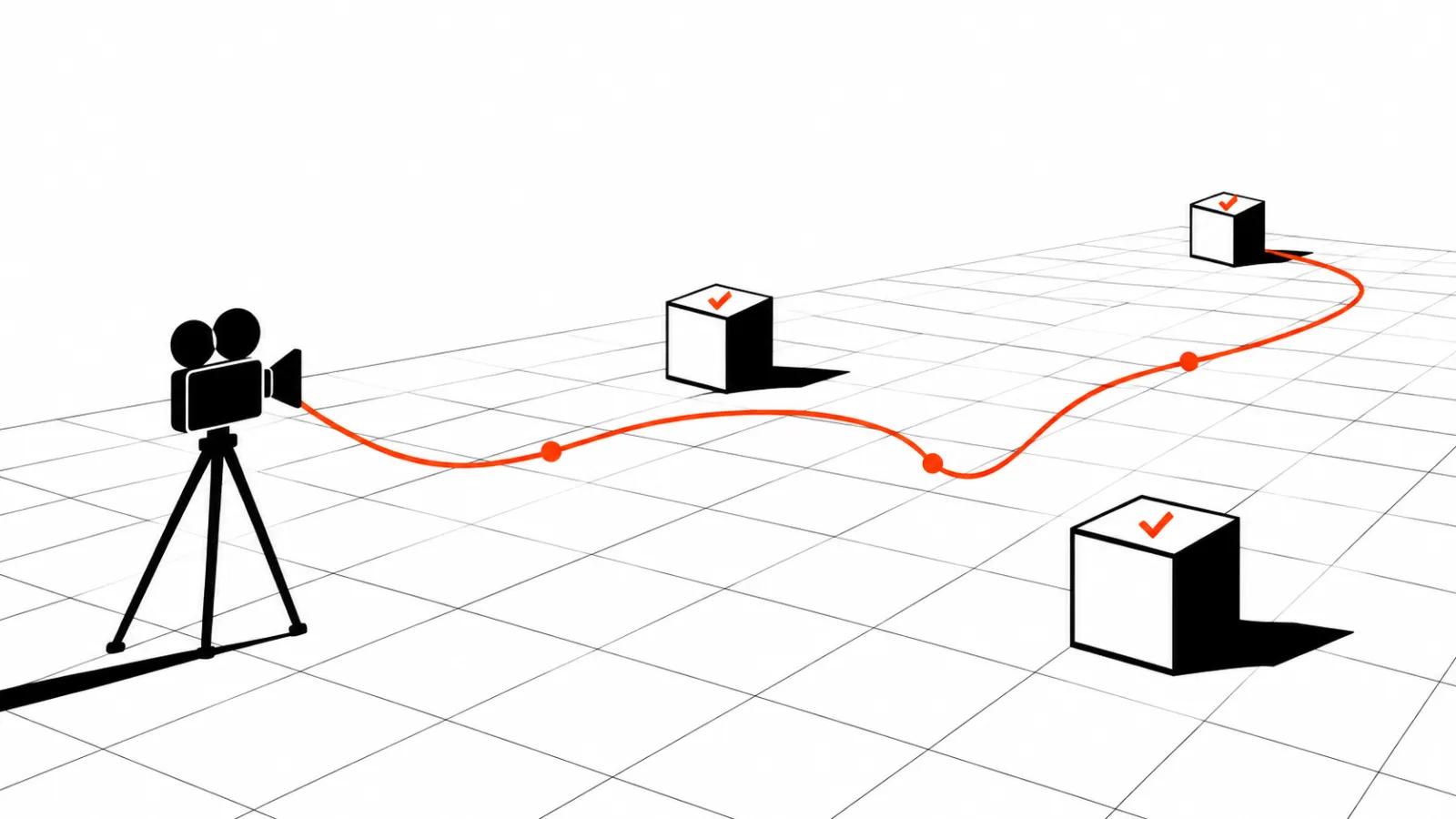
The first payment almost always covers one shot: the frame that shows whether the model can hold a product, a face or a fabric.
A good test answers three questions. Does the object keep its shape, does the face stay stable, does the light match the rest of the scene. If one answer is no, there is nothing to discuss.
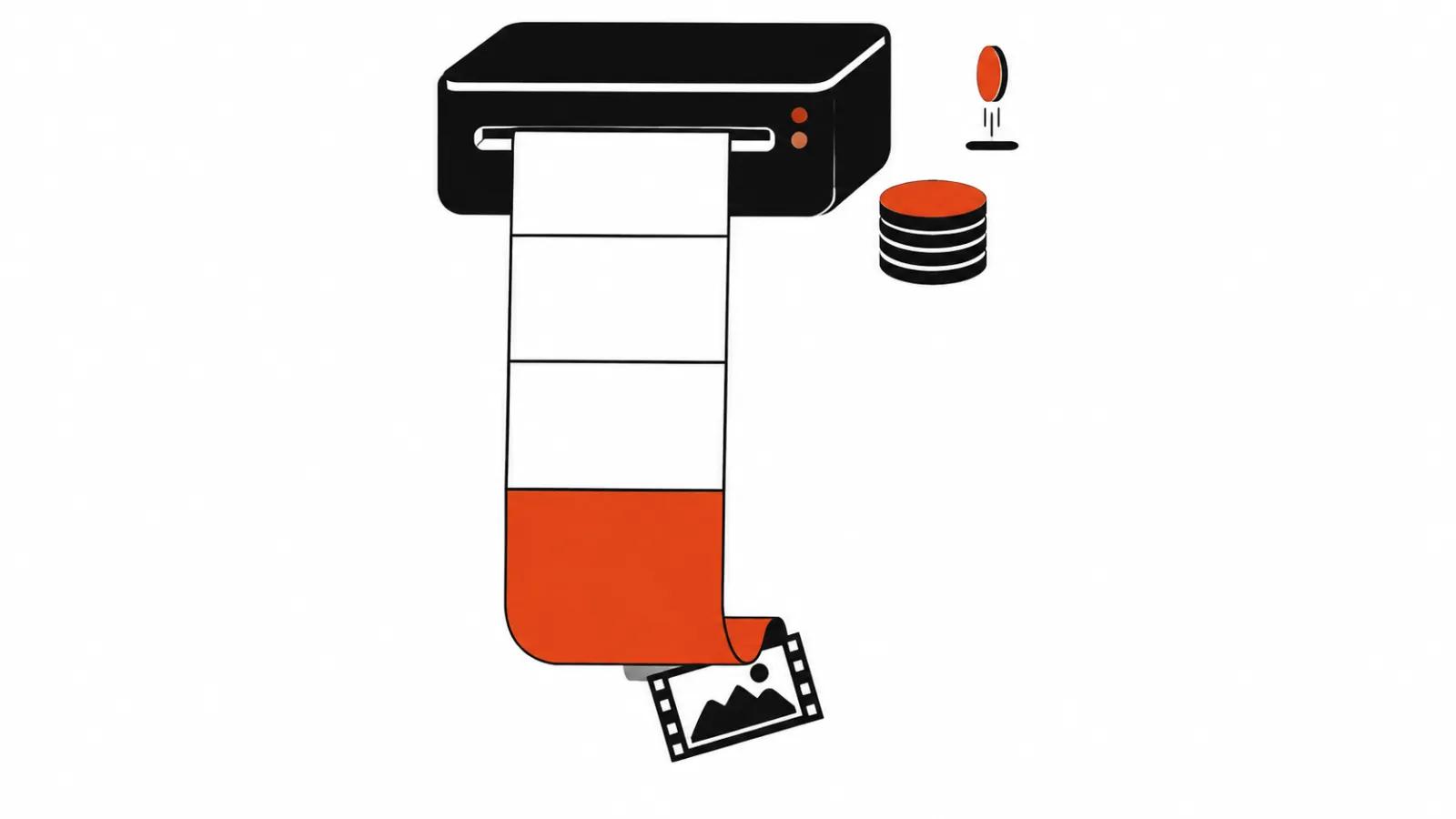
What it costs depends on attempts, and vendors meter attempts in credits. On Runway's Standard plan at fifteen dollars a month, the account gets 625 credits, which the pricing page converts into 52 seconds of Gen-4.5 or 125 seconds of Gen-4 Turbo.
Why it matters: a test frame costs a fraction of reshooting a scene, and skipping it usually gets paid for twice.
2. Retakes and selection
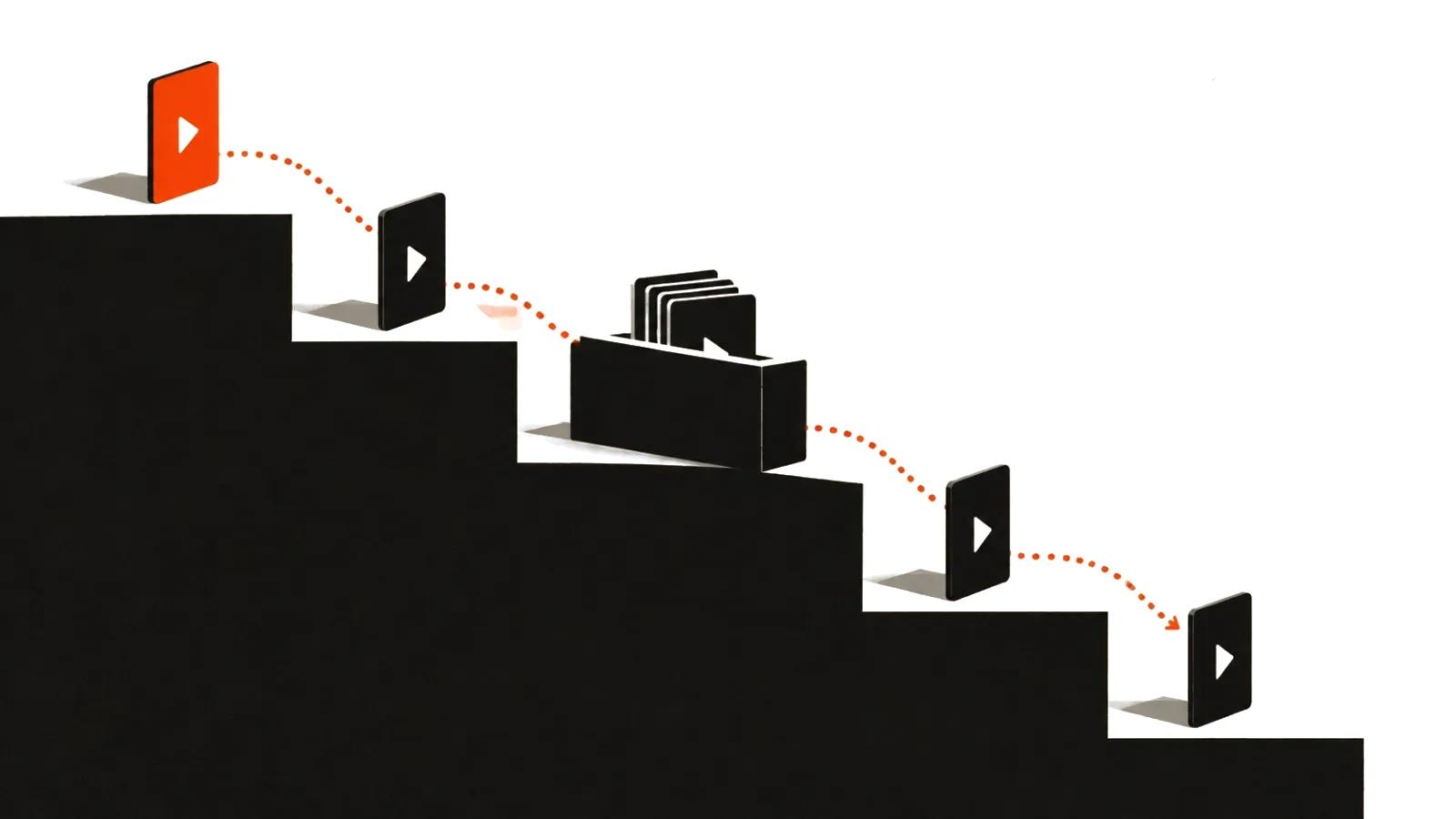
Then comes the part the client never sees. A single usable fragment can take several generations, because the model solves the task from scratch every time.
That turns the quote into a lottery with one known rule: the more motion and the more objects in frame, the more attempts. A product on a table behaves, a person running up stairs does not.
In practice a retake budget belongs per scene. A simple scene eats two or three attempts, a hard one ten and more. If the quote is not split by scene, there is nothing to argue about when the spend grows.
Why it matters: ask who pays for the takes that fail selection, and get the answer in writing.
3. Assembly and sound
Generation ends where editing starts. Cuts, rhythm, titles, music and voice all live outside the model.
Sound gets its own line when the video needs to land on a platform: licensed music, a recorded narrator or a synthesised voice, and a runtime that matches the placement.
Why it matters: assembly often costs more than generation, because hands and eyes do the work.
4. Rights and source files
The question people ask last, and should ask first. Who owns the source files, can the video be recut in six months, and what happens when a model is updated and the old shot cannot be reproduced.
Vendor documentation describes generation as living inside the platform and metered in account credits. That makes the project dependent on a subscription, and the dependency belongs in the conversation before the start.
Music and voice rights are separate from image rights. A track from a library may not permit commercial use, and a synthesised voice may come with its own labelling rules. Check that before anything ships.
Why it matters: without source files, the second video in the same style starts from zero and gets paid for again.
5. Urgency
The last line appears when the deadline is short. Speed in generative video runs into queue time and the number of parallel runs.
Which leads to a simple observation: a deadline moves the budget more than a runtime does. Fifteen seconds needed tomorrow can cost more than a minute needed in two weeks.
Why it matters: planning shifts the price without losing quality, and urgency is usually paid for in rework.
What to check before signing
Look at the unit of measurement. If the quote is priced per video, ask how many seconds, how many scenes and how many versions per placement it includes.
Look at revisions. The number should be finite and the price of an extra iteration should be known up front.
Look at the handover. The clause on source files and project access belongs in the contract.
There is a separate line for series. If a client plans a catalog stream, short-form video at scale is priced per batch, and the unit of measurement changes.
And compare the scope behind the total. Two quotes a third apart usually differ in volume.
The conclusion
Ordering AI video works like ordering a shoot: preparation, tests, delivery. The difference is that tests cost seconds of credits, while a shoot day is billed whole.
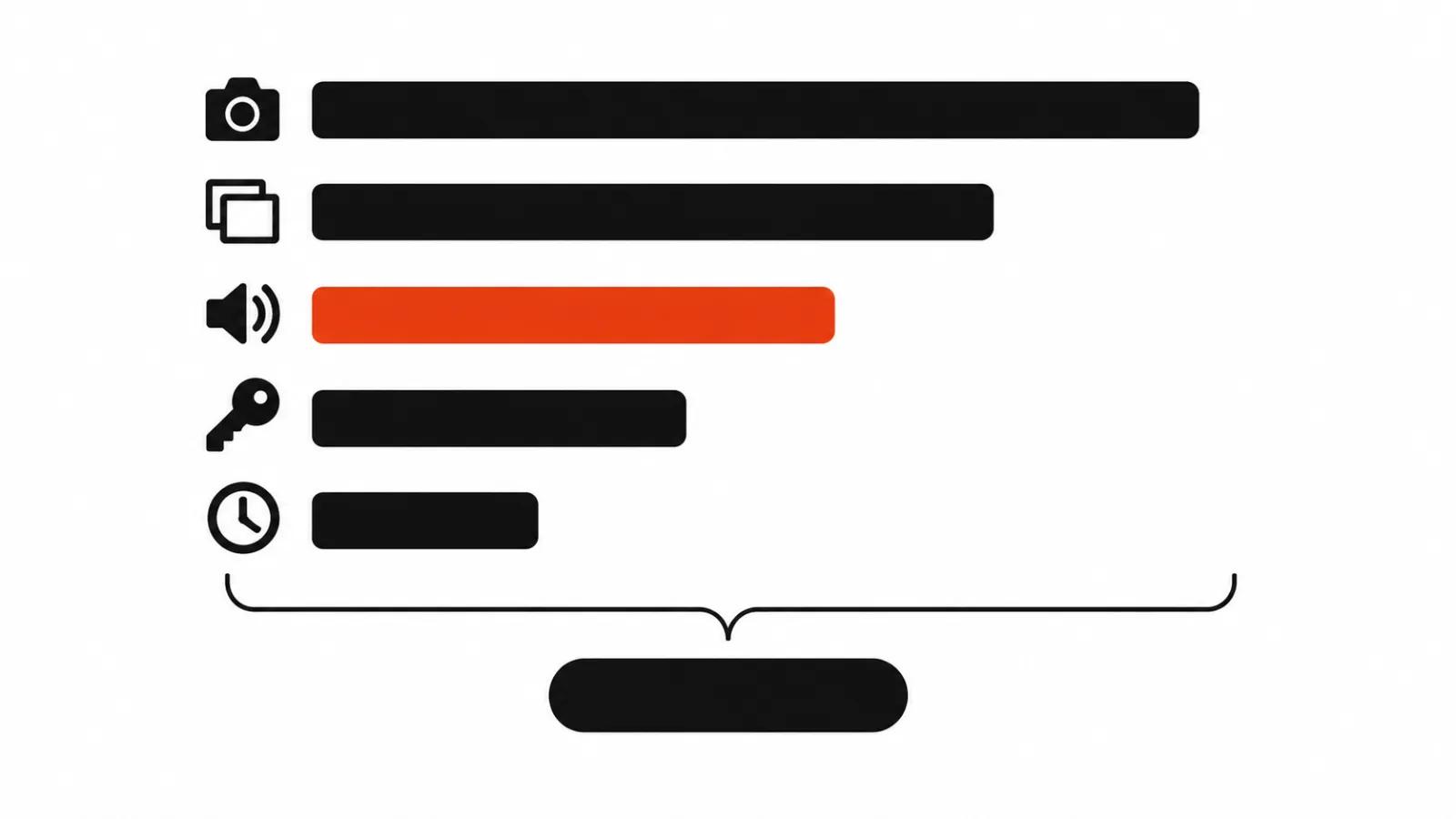
Counted across these five lines, proposals become comparable. Counted as one number, the choice is a guess.
AI video production stays a tool with a known cost per run. Handcrafted videos remain for the shots a button cannot reproduce.