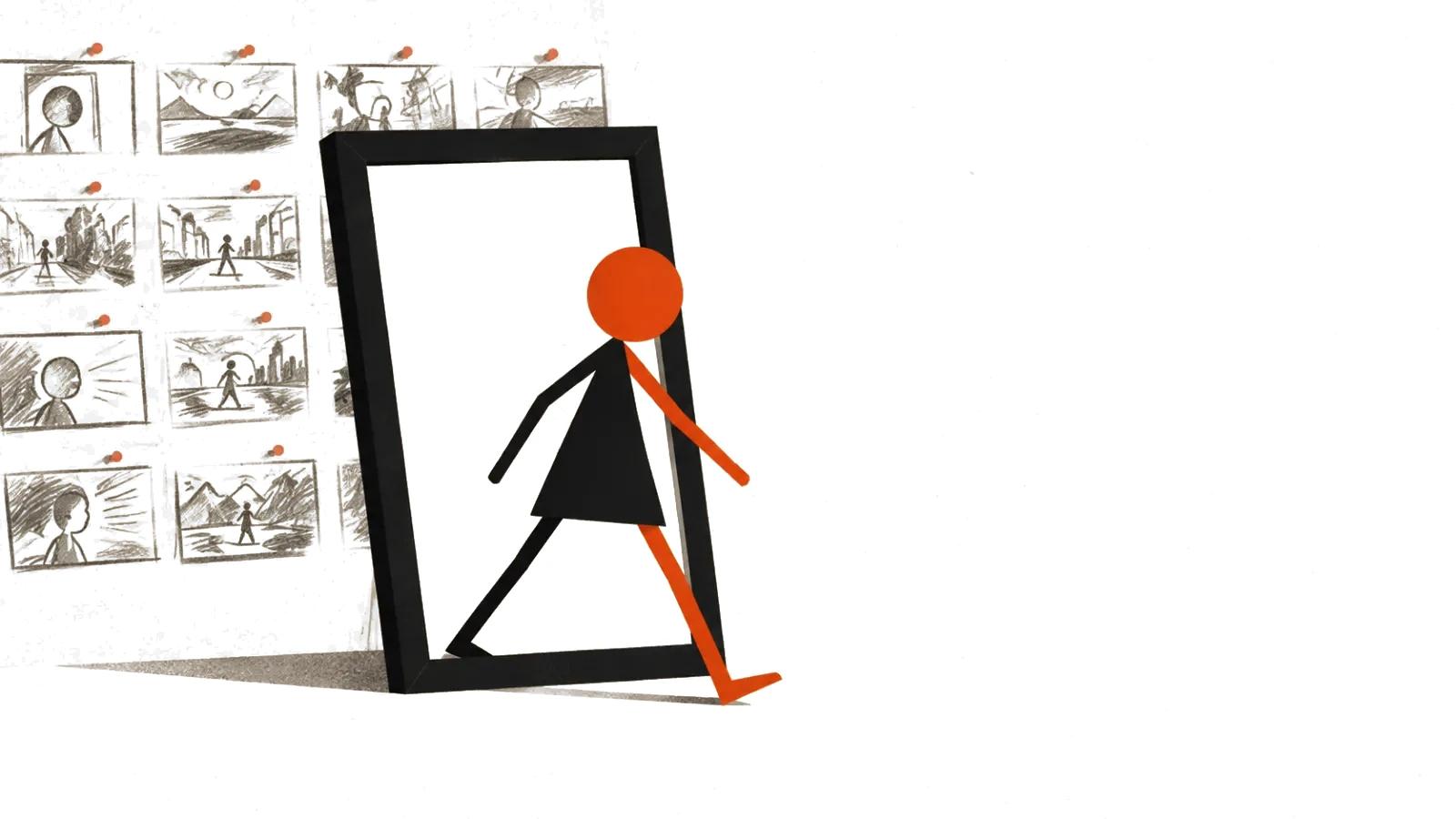
Who orders animated video, and why
A camera does not solve every brief. Detergent in action is easy to shoot in a kitchen; a conversation between two molecules inside a washing machine is not. A course business needs an explaining character that can hold attention for two minutes. A social initiative needs a story without identifiable faces and without a shoot.
Animation covers three cases: showing something that does not exist in the real world, explaining a complex idea through a simple story, and creating a character that can carry a series.
Nobody orders "a cartoon" in the abstract. They order a specific piece of work: a 30-second spot, a two-minute explainer, or a run of episodes with the same hero.
The three formats clients actually ask for
An advertising cartoon. A short story with the product at the centre: a character hits a problem, the product resolves it. Fifteen to sixty seconds, built to hold attention and explain the benefit without on-screen text.
An explainer cartoon. Two to four minutes with a step-by-step argument: how the service works, what a plan includes, what happens next for the customer. Wording matters here, so the script is signed off before storyboarding.
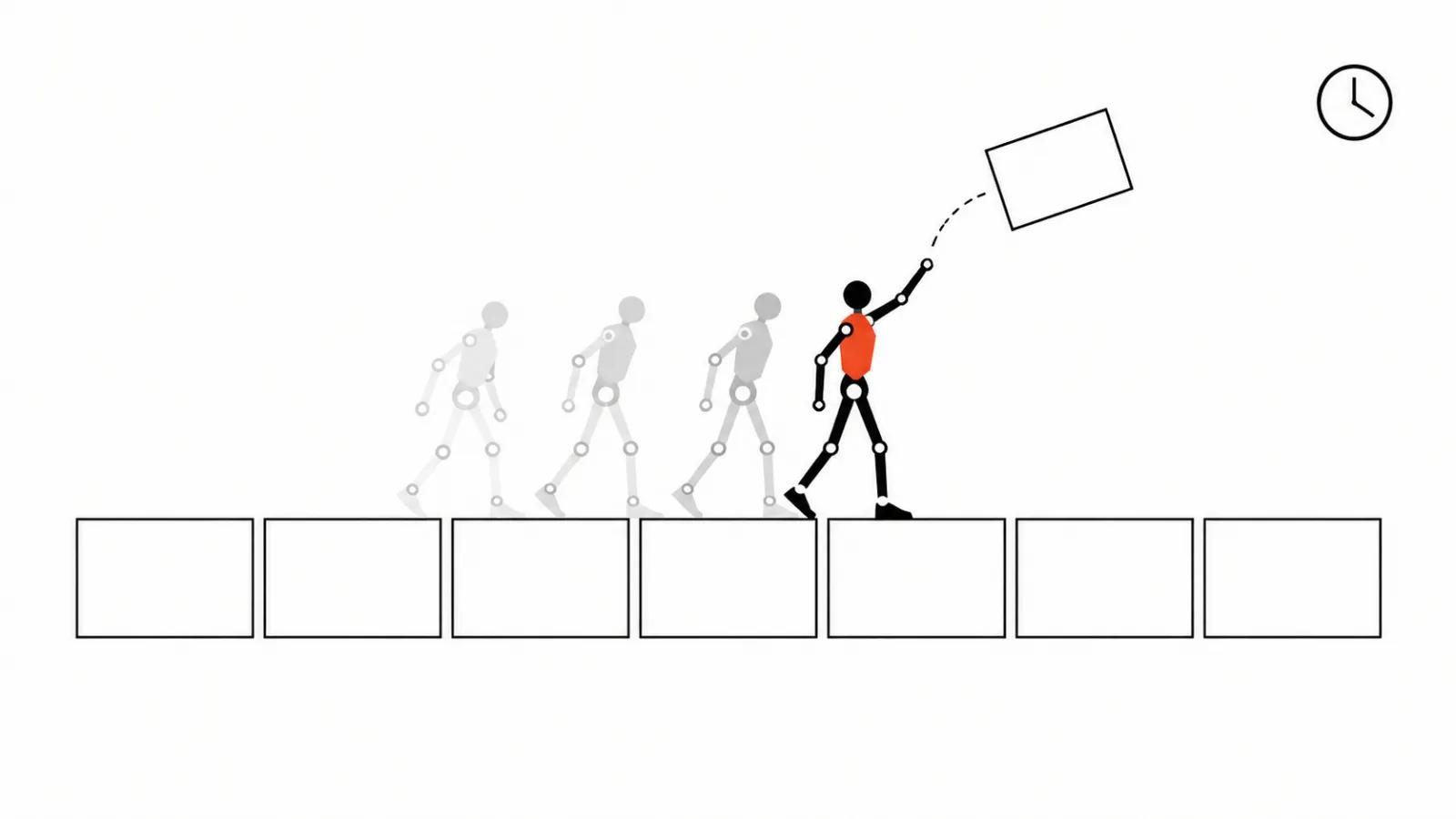
An animated series. Episodes with recurring characters and a fixed look; the audience returns because it already knows the hero. This is the territory of handcrafted videos: every episode is its own production with storyboard, animation and voice work, not the previous episode with swapped text.
A weekly show deserves separate planning. If the character has to appear every week, the format is designed from the start as an AI YouTube channel: consistent titles, consistent intro, consistent pacing.
What AI actually does in a cartoon
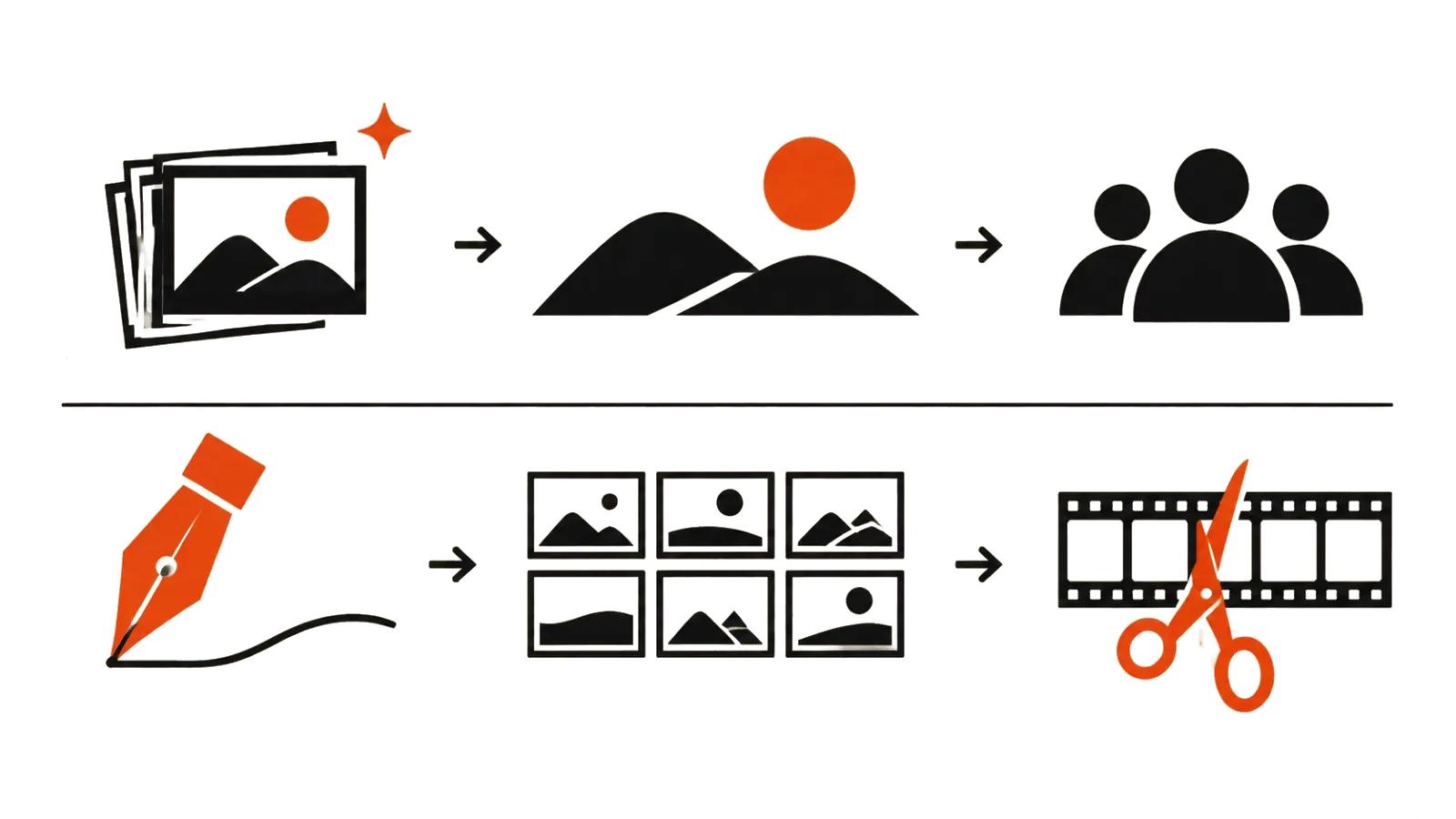
Frame generation. AI video production removes the need for an expensive 3D set: backgrounds, lighting and secondary characters come from prompts plus references.
Style control. The model holds a chosen look — 1990s hand-drawn, anime, clay, watercolour. Style is set with references and description rather than assembled layer by layer by hand.
Rough animatics. A fast pass on movement so the rhythm of a scene is visible before final rendering. Cheaper than animating properly and throwing it away.
Voice and lip sync. Synthesised speech with articulation fitted to the lines. For non-English languages quality depends on the voice: some models hold intonation better, others handle long sentences better.
What AI does not do: invent the story, check claims about the product, or guarantee that a character keeps the same jacket from one scene to the next.
What people still do
The script. Structure, conflict, lines, the final call to action. A model can offer options; the decision about what the character actually says stays with a writer.
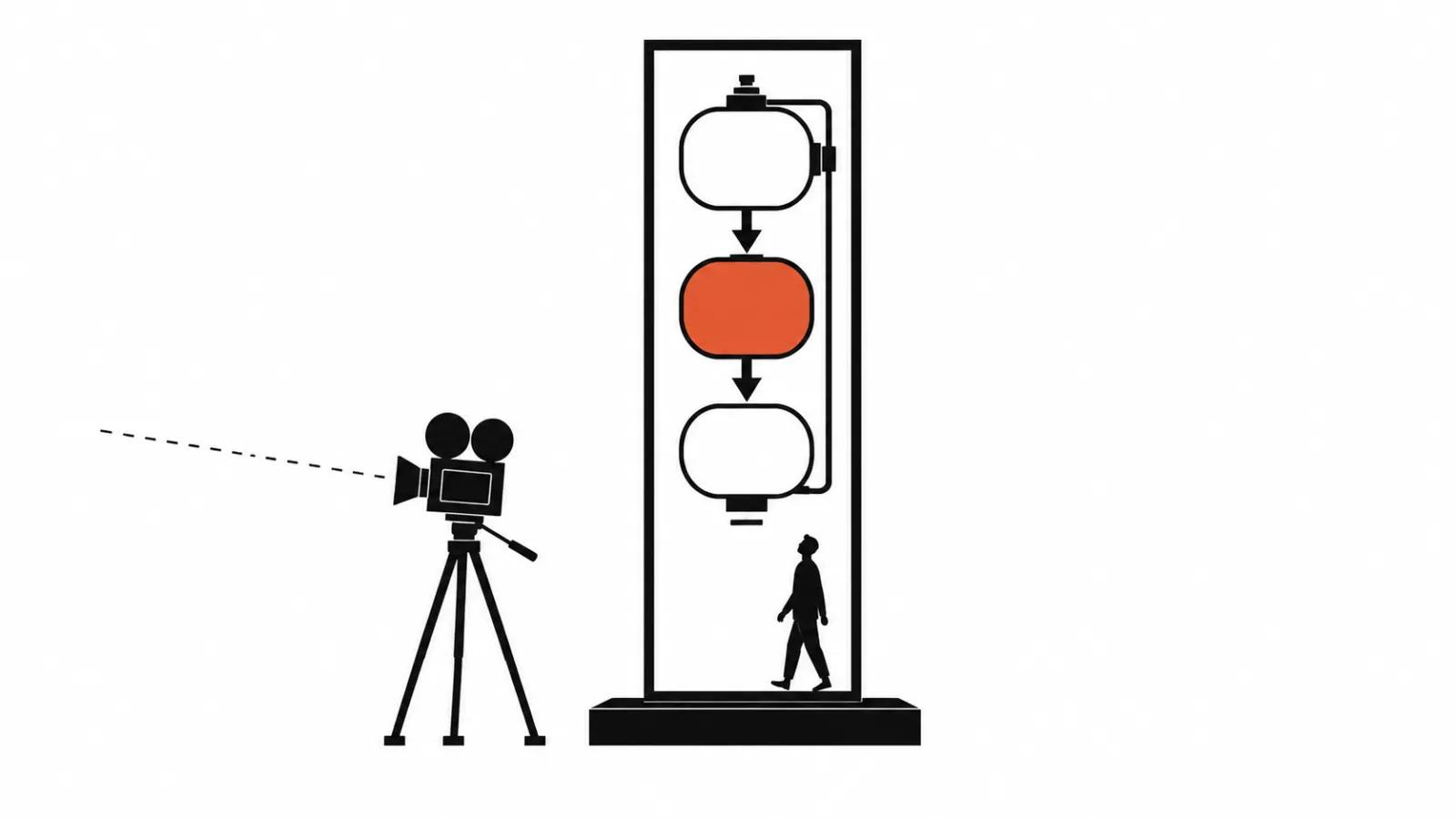
The storyboard. Shot by shot: framing, camera movement, what is in focus, where the pause sits. Without it, generation becomes a lottery and revisions become brute force.
The character reference sheet. Separate sheets for face, wardrobe and details. The steadier the references, the fewer mismatches between scenes — faces and accessories drift first.
Selection and editing. Up to a hundred generations per movement, review, picking the usable take, cutting, music, titles.
Acceptance. Frame-by-frame checks: lip sync, hands, the text on packaging, brand compliance.
How an order runs
First comes the brief: the task, the audience, the length, where it will run, whether a character and brand colours already exist, and what must never appear.
Second, script and quote. This is where scope becomes visible: one scene with one character and ten scenes with a crowd do not cost the same.
Third, storyboard and a style test. The client sees a few frames in the chosen look and signs off the character's appearance before the main generation starts.
Fourth, production: generation, animation, voice, assembly. Revisions are cheaper here than after the final render, so intermediate reviews go scene by scene.
Fifth, delivery. Files in the formats needed — 16:9 for a site, 9:16 for vertical placements, plus silent and subtitled versions where required.
Cost and timing
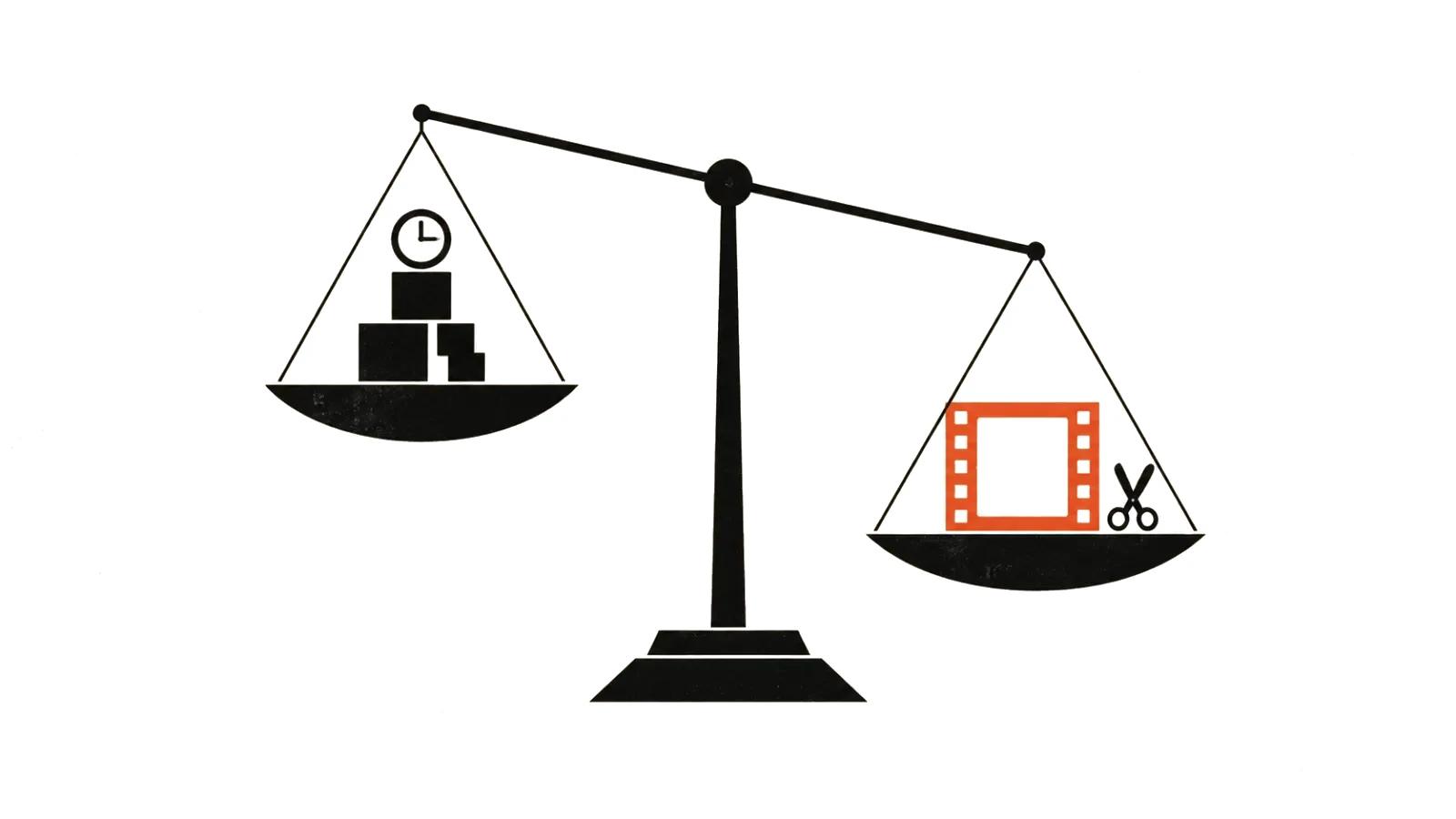
A handcrafted video up to 90 seconds starts at $394, with about a week of turnaround. That covers script work, storyboard, generation, editing and voice within the agreed scope.
A series is priced per episode on the same basis. Eight episodes means eight videos, not one video with new text, so the schedule stretches accordingly.
If the need is volume — many short cuts for ad tests — mass vertical videos are cheaper per unit: the template is built once and the variables are swapped afterwards.
Timing depends on more than duration. A scene with a crowd, water, fur or transparent materials needs more generations than two characters talking in a room.
| Format | Length | Timing | Price |
|---|---|---|---|
| Single video | up to 90 seconds | about a week | from $394 |
| Series, 6 episodes | up to 90 seconds each | per episode | from $2,364 |
| Mass formats | short versions for testing | continuous | from $2.47 CPM |
What to prepare before the brief
Product material: what it is, who it is for, how it differs, which claims are mandatory and which are off limits.
Brand assets: logo, colours, typefaces, examples of previous videos. If the character already exists, images from several angles.
Style references: two or three examples you like and one or two that are definitely wrong. This saves a round of revisions.
Constraints: what cannot be shown, words to avoid, platform rules on length and titles.
How to accept the finished cartoon
Watch frame by frame rather than straight through. Lip sync and hand errors show up on pause.
Check the character in every scene: wardrobe colour, hair, details. If the hero changes between shots, that is a defect, not a creative choice.
Compare against the storyboard: all scenes present, order intact, the closing call to action still there.
Inspect small on-screen text and titles separately: generation likes to reshuffle letters in packaging copy.