What changed in ad production
Two years ago a fifteen-second cut built for a test meant a shoot day, a cast, a studio and an editor. Today the first version takes an hour, and the second and third add almost nothing to the budget. The clip did not change as much as the economics of hypotheses: cheap versions let you test ten offers where you used to test one.
That shift has a second effect. Ad creative stopped being a one-off artefact and became a consumable. Platforms rotate placements in short cycles, audiences burn out in weeks, and the team with a replacement ready on Monday wins. Vertical video ads in 9:16 obey the same rule: a strong frame dies faster than it gets approved.
Cheap generation does not make advertising honest. It makes it fast, and speed starts to outrun verification. That gap is where most AI video ads fail.
Where the model actually saves money
It works best where the output is visible immediately and a mistake costs almost nothing. Storyboards and moodboards built from a brief. Rough frames that show a client the direction before anyone books a camera. Several readings of the same line with different pacing. Translation and re-recording for another market. Background swaps and reframing a horizontal master into a vertical one.
The bigger saving is volume: short-form video at scale means one idea expressed dozens of ways, a different opening frame, a different on-screen line, a different track. No crew can do that, and here the model beats people without caveats.
How to make an AI video ad, in order
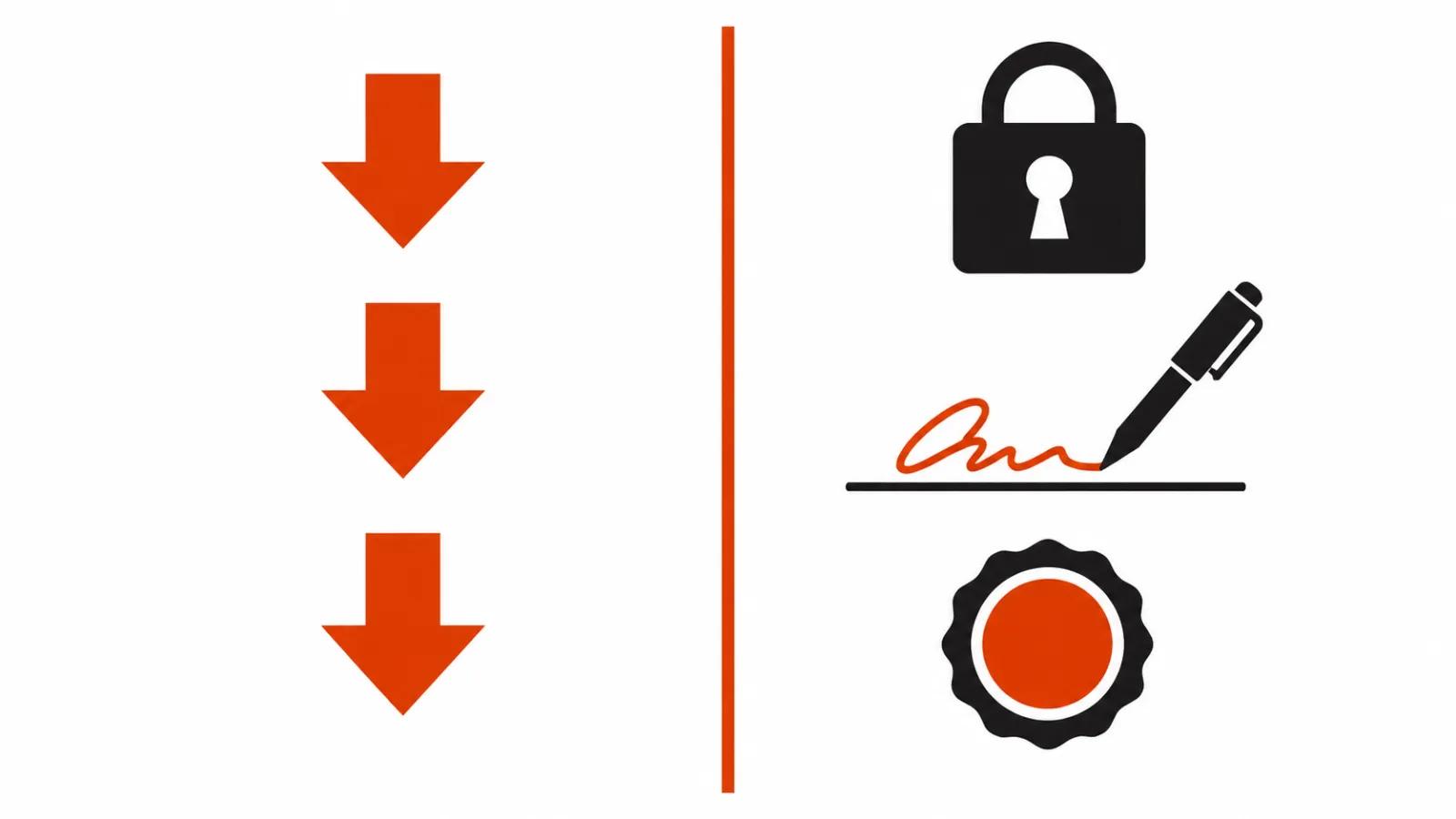
Sequence matters more than the tool. First the hypothesis and the offer: who, why, and what exactly is promised. Without that, any generation produces a beautiful nothing. Second, references and a moodboard that fix light, framing, pace and tone.
Third, generate frames for a specific placement: aspect ratio, length, and the first seconds that decide whether anyone stays. Fourth, assemble: rhythm, captions, sound, loudness, and whether the text is readable on a phone. Fifth, check before launch: faces, voices, music, logos, and every claim in the picture or in the copy.
The weak links are steps four and five: teams fall in love with a frame and upload a clip before it is finished.
Where AI video ads break
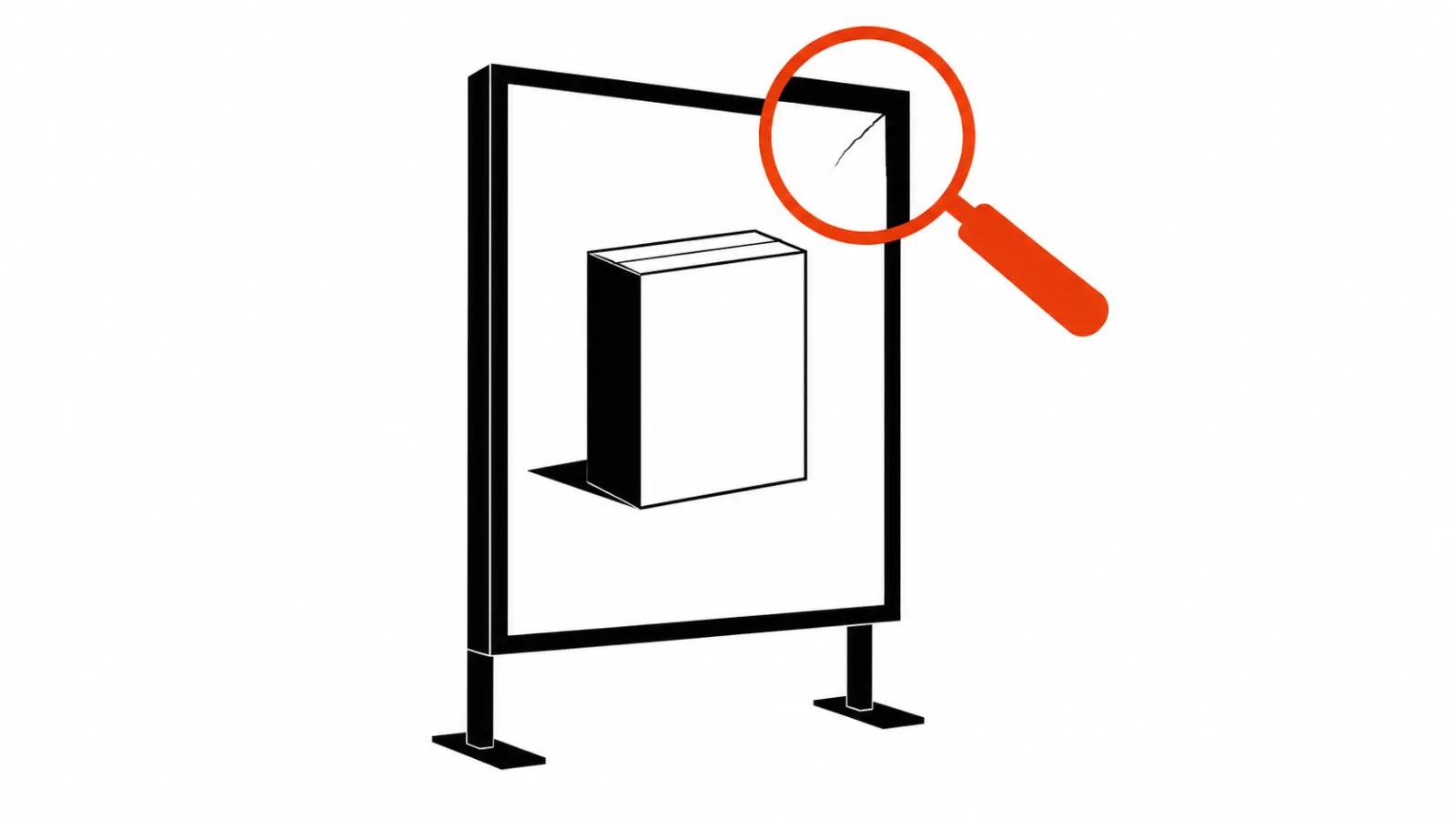
Product first. Fine texture, packaging with small print, a logo, the exact shade of a material. The model invents a detail that does not exist, and a close-up makes it obvious.
People second. Hands, teeth, gaze, lip sync. Even good generation gives itself away when a character has to say a brand name.
Meaning third. Humour, cultural references, local irony, anything that depends on shared context gets assembled from a template. In tests those clips earn clicks and leave no memory.
Legal exposure fourth. A generated customer with a testimonial that never happened, a competitor's product in frame, a result you cannot substantiate. Advertising rules apply to a generated clip exactly as they apply to a filmed one, and the penalty arrives after publication.
The table sets the boundary between acceleration and risk.
| Stage | What the model covers | What stays with people |
|---|---|---|
| Idea and offer | alternative phrasings | choosing the promise and proving it |
| Footage | drafts, backgrounds, cutaways | product detail, talent, hands, packaging |
| Sound | scratch voice, pacing options | music and voice rights, emphasis, diction |
| Assembly | automatic cuts for each format | rhythm, captions, legibility on a phone |
| Launch | dozens of variants | consent, approvals, labelling, reporting |
Faces, voices and music before you generate
A recognisable person needs documented consent for commercial use, and a synthetic face that reads as a real individual does not dodge it, because the test is recognition. Voice follows the same logic, handled by a contract naming permitted uses and term.
Music has three separate regimes: a licensed library track, a track produced by a generative service under its own terms, and a track made to imitate a known artist. The first is covered by the platform licence, the second depends on the service agreement, the third invites a claim from the rights holder.
The practical rule is to build a rights folder before generation. Consent for faces, a voice agreement, a music licence, and clearance for any trademark that appears on screen.
Labelling is still a human step
Paid placements carry obligations no model can discharge: the disclosure that a post is an ad, the identity of the advertiser, and reporting to the platform or regulator. Those duties attach to a contract and a person.
Generation runs faster than approval, so some clips never run. That is the normal price of speed.
What it does to the budget
The model removes spending on drafts, intermediate versions and reformatting. A shoot day, rights, talent and a final sound mix stay in the budget whenever the campaign needs a real product and real people.
When a film has to survive a year, hand it to production. An AI commercial with live footage and a human edit costs more than generation and holds up in a close-up. Our handcrafted videos start at $394 per video, and below that line compromises begin.
What this means in practice
AI video ads win where you need many variants quickly. They lose where you need precision: product, person, promise, rights, reporting. Split the work along that line, generation for speed and people for accountability.
For a test, start with three hypotheses and ten vertical versions, watch retention at second three, and only then pay for production. For a film that runs all year, spend on the shoot and skip unnecessary iterations.