What a business actually buys
People order video testimonials for trust. A person speaks in their own voice, shows their face and the product in use, and the viewer reads that faster than any block of text on a product page.
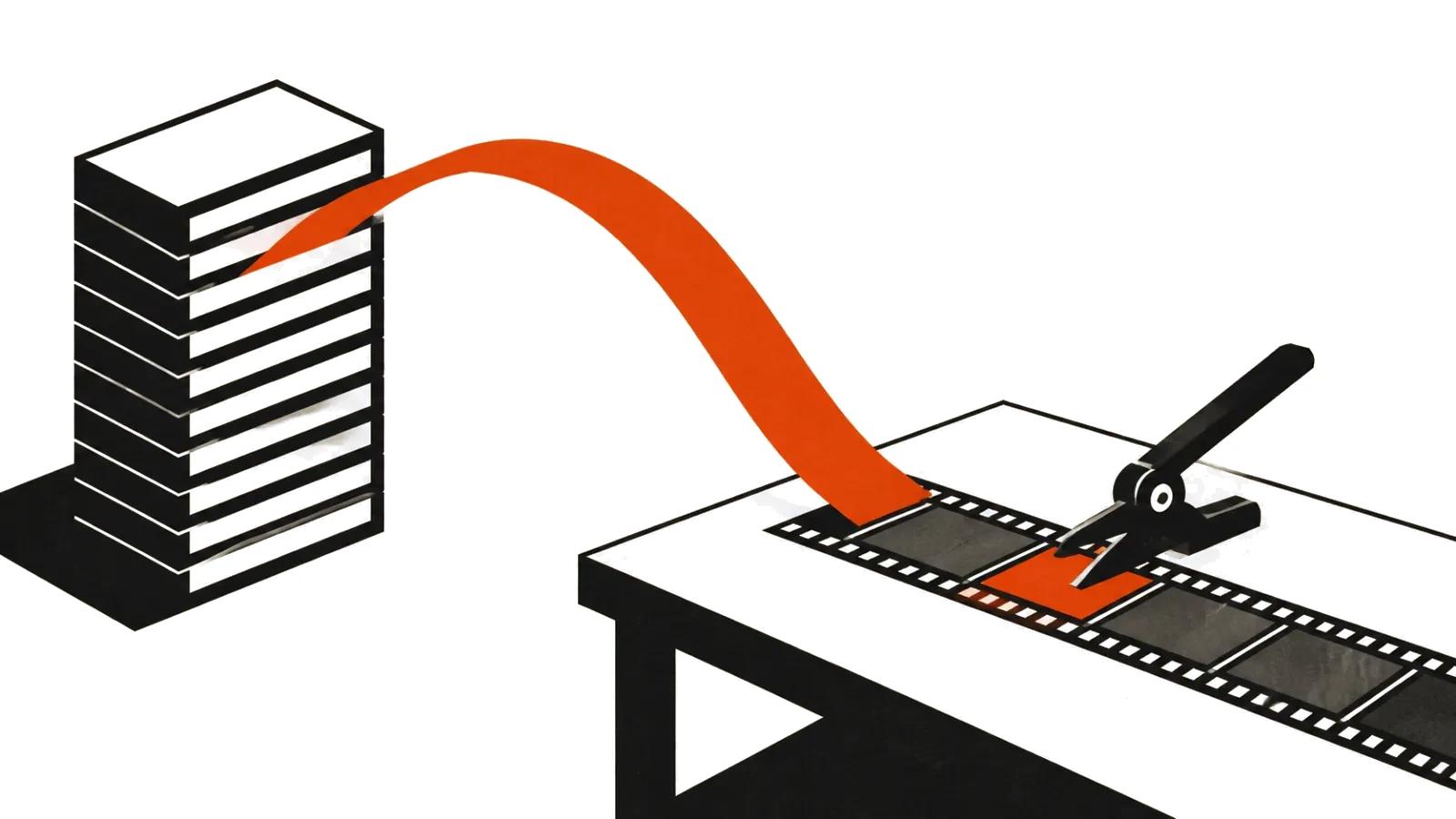
So the service has two halves. The first is making the shoot easy enough that a customer agrees to it. The second is not ruining the meaning in the edit. If the final cut sounds like a TV commercial, the trust is gone.
Three signs of an honest testimonial
First, the person says who they are and what they use. Without that, the clip feels staged.
Second, there is detail. Deadlines, small frustrations, a comparison with what they used before. Detail is hard to script and impossible to invent on someone else's behalf.
Third, there are limits. A customer may mention slow delivery, a confusing manual, a price higher than a competitor's. That version persuades better than the polished one.
When a client asks for a testimonial around a promotion, I suggest shooting two people: one happy, one skeptical. The second clip usually gets more response because it sounds like life.
Where the fake starts
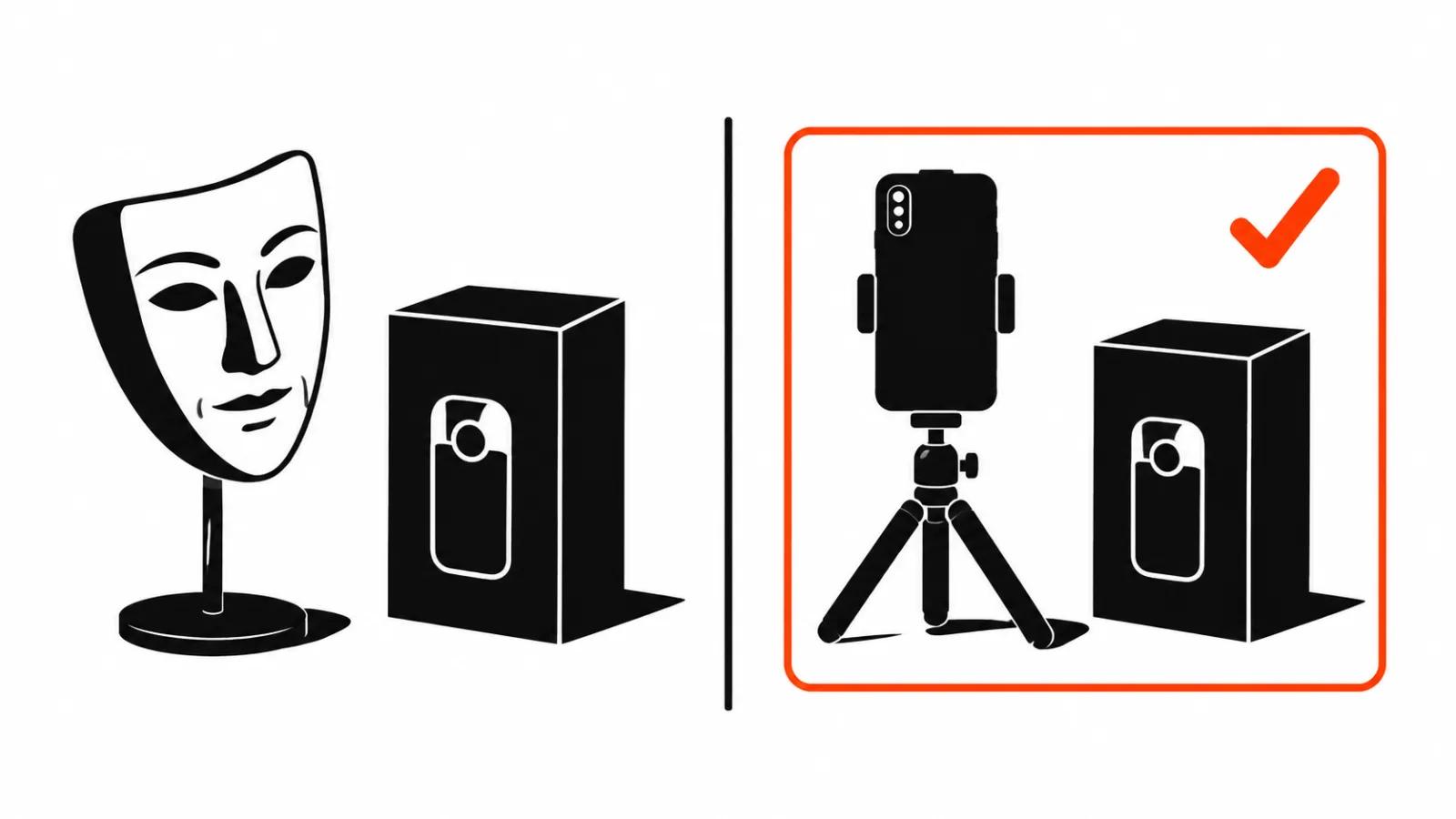
The fake starts where the viewer is misled about who is speaking. Three common patterns.
An actor playing a customer. He gets a script, performs enthusiasm and stays silent about not being a customer. On paper it is advertising. In practice it is a forged recommendation.
An AI stand-in. A synthetic face and a synthetic voice explain how much they loved the product. The tech makes this a matter of minutes, and the temptation is obvious. The problem is that the viewer believes this character is a real person.
A review of a product nobody touched. The clip is shot from a description sent by the seller, and the person never used the item. Even when the speaker is real, the words are worth nothing.
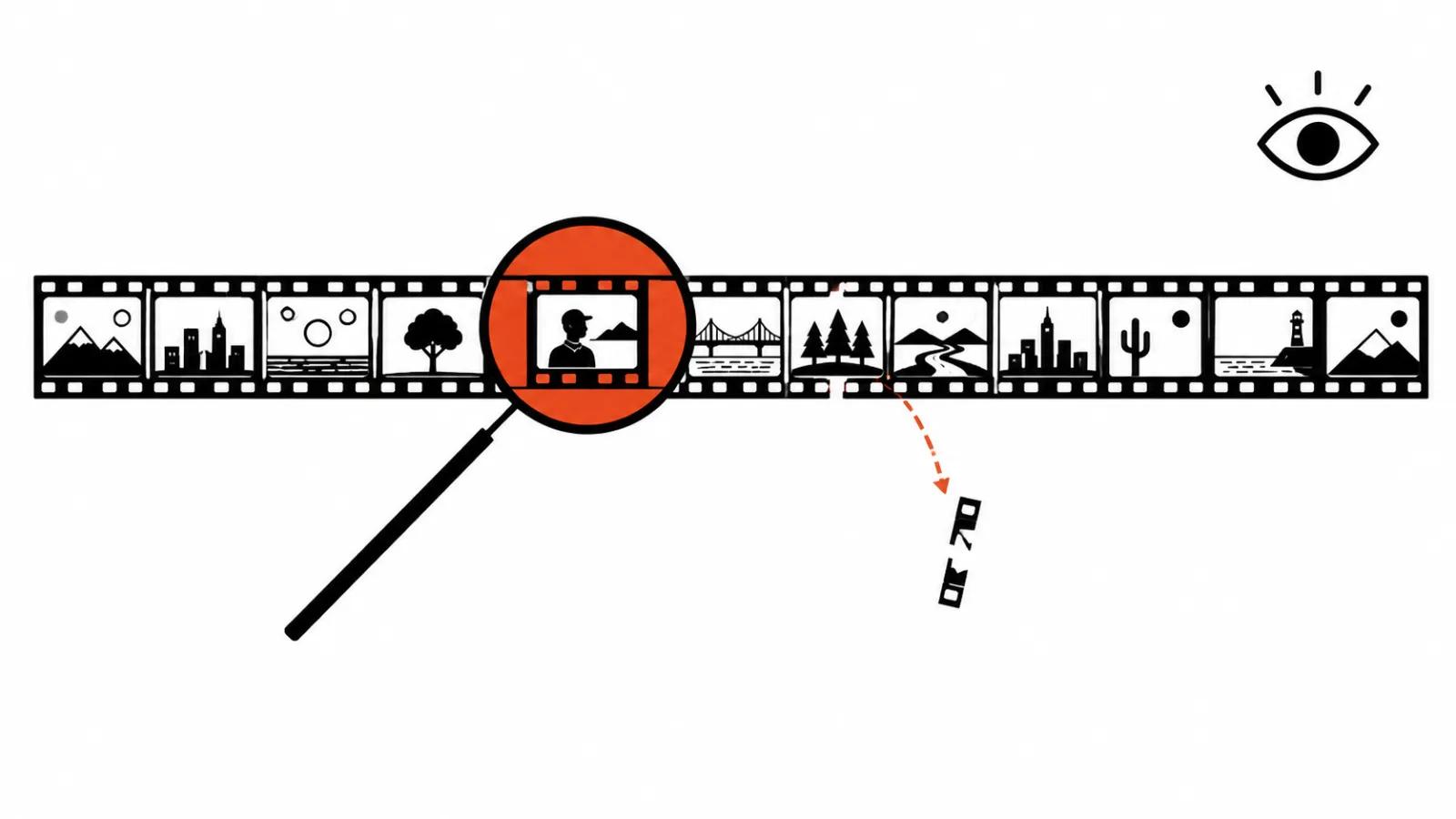
There is a fourth pattern, the most common one: a real testimonial with every caveat cut out in the edit. The customer said "good overall, but the battery is weak", and the clip keeps "good overall". That is already a distortion.
What the rules say
Advertising rules in most markets treat claims that do not match reality as misleading. A separate clause usually covers statements about personal recommendations and endorsement, and another covers product characteristics.
The logic follows. If a clip presents an actor as a buyer, or a synthetic character as a real customer, the statement about the recommendation does not match reality. The advertiser carries the liability, and the platform will not shield you.
There is a second layer: image rights. Publishing and commercially using a person's image requires their consent in most jurisdictions. After a person's death, consent normally comes from close family. For testimonials this means a written release before the shoot, even when the customer offers to record the clip himself.
UGC and the label
The phone-shot format works well, with one condition. If the brand paid for the clip or gave the product for free, the viewer has to know.
In practice one line at the start and a note in the description are enough: filmed for the brand, product provided. The label does not kill conversion. It removes the "I was lied to" complaint, which costs more.
UGC content is honest in this sense: it looks like ordinary life. But the moment you write the customer's lines, the format breaks. Give a list of questions and let the person answer in their own words.
Shooting: script, light, sound
The script is short. Three questions: what was life like before the purchase, what changed, who would you recommend it to. Then the person talks and you listen.
Light matters more than the camera. A window and a white wall already give a decent image. A lamp behind the head puts a shadow on the face, and the clip looks cheap even on a flagship phone.
Sound matters more than the picture. A clip-on mic saves a recording in a noisy office. A built-in mic three meters away ruins a good frame.
Edit: remove pauses, keep the hesitations if they do not get in the way, add captions with the name and the city. Job titles and company names need written permission.
When a testimonial is not worth it
Some niches do not need a production at all. With ten sales a month and a cheap product, the buyer will film on a phone and the money is better spent on traffic. A studio makes sense when the clip goes into paid ads, onto the site, or onto a high-ticket product page.
Handcrafted videos start at $394 per video, a level that only pays off when the testimonial carries real weight in the sale. For a low-ticket item the math rarely works.
AI video production belongs here in a different role: animating a logo, cutting a montage from several testimonials, adding captions, adapting versions for short-form video at scale. A synthetic "customer" is not part of that work.
A checklist before you order
Check five things. Is there written consent to film and publish. Has the person used the product. Are their real words still in the clip. Is there a label if the clip was paid for. Does the viewer understand within three seconds that a real person is speaking.
If all five are yes, the clip can go on the product page and into ads. If one of them is shaky, reshoot. Deleting a clip later costs more than a second afternoon with a phone.