What UGC content means in plain English
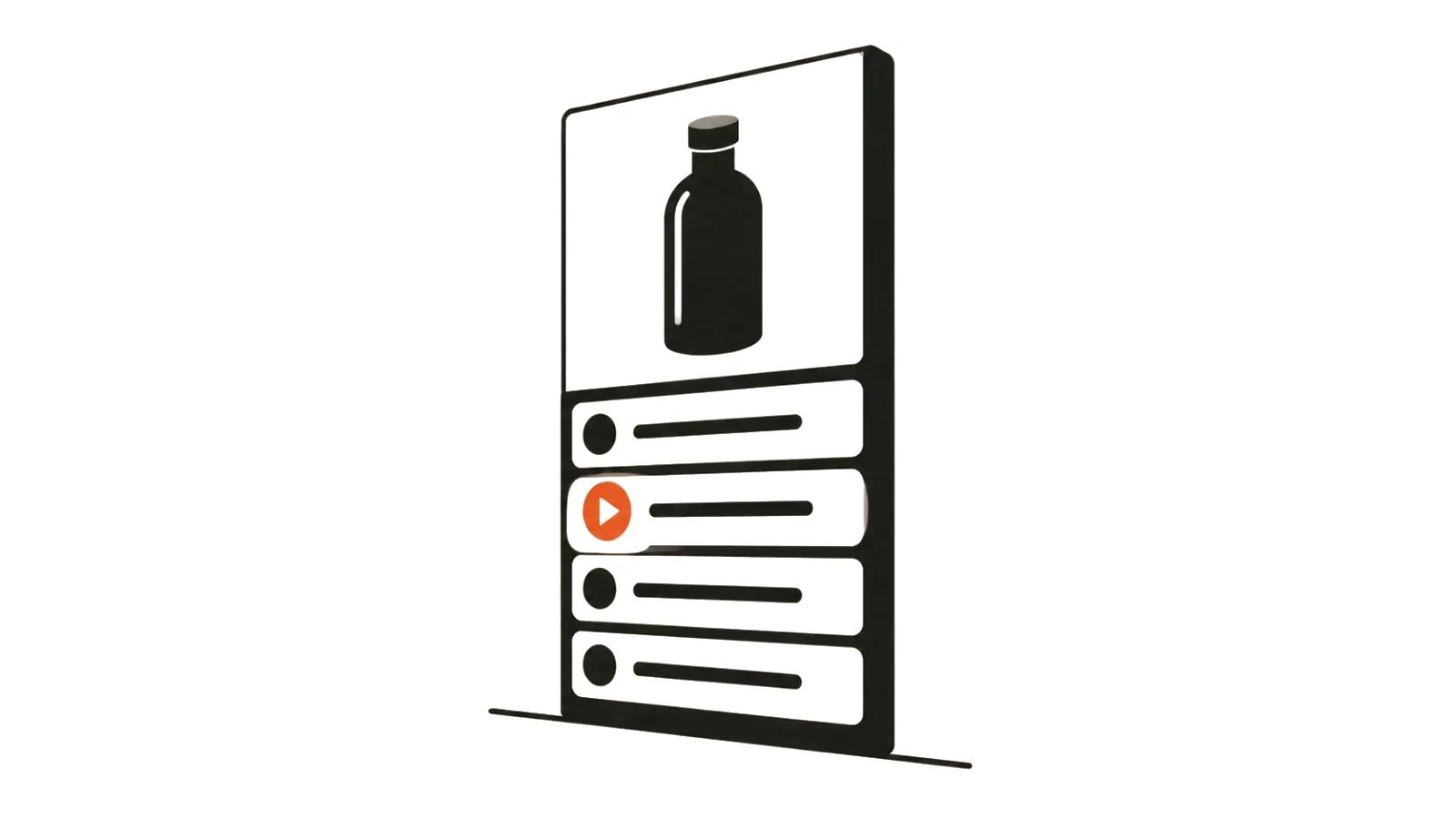
UGC stands for user-generated content: everything people create about a product themselves — reviews, unboxings, comparisons, before-and-after clips, changing-room Stories.
If a video was shot by someone with real experience of the product rather than by the brand's studio, it is UGC. The author speaks for themselves, shows their own hands, their own kitchen, their own phone. Production polish is secondary; the feeling that this is not an ad is the whole point.
There is a second term worth knowing: briefed UGC. A brand pays a creator to shoot in their own style. Formally that is commissioned work, but it reads like user content, so media plans file it under UGC.
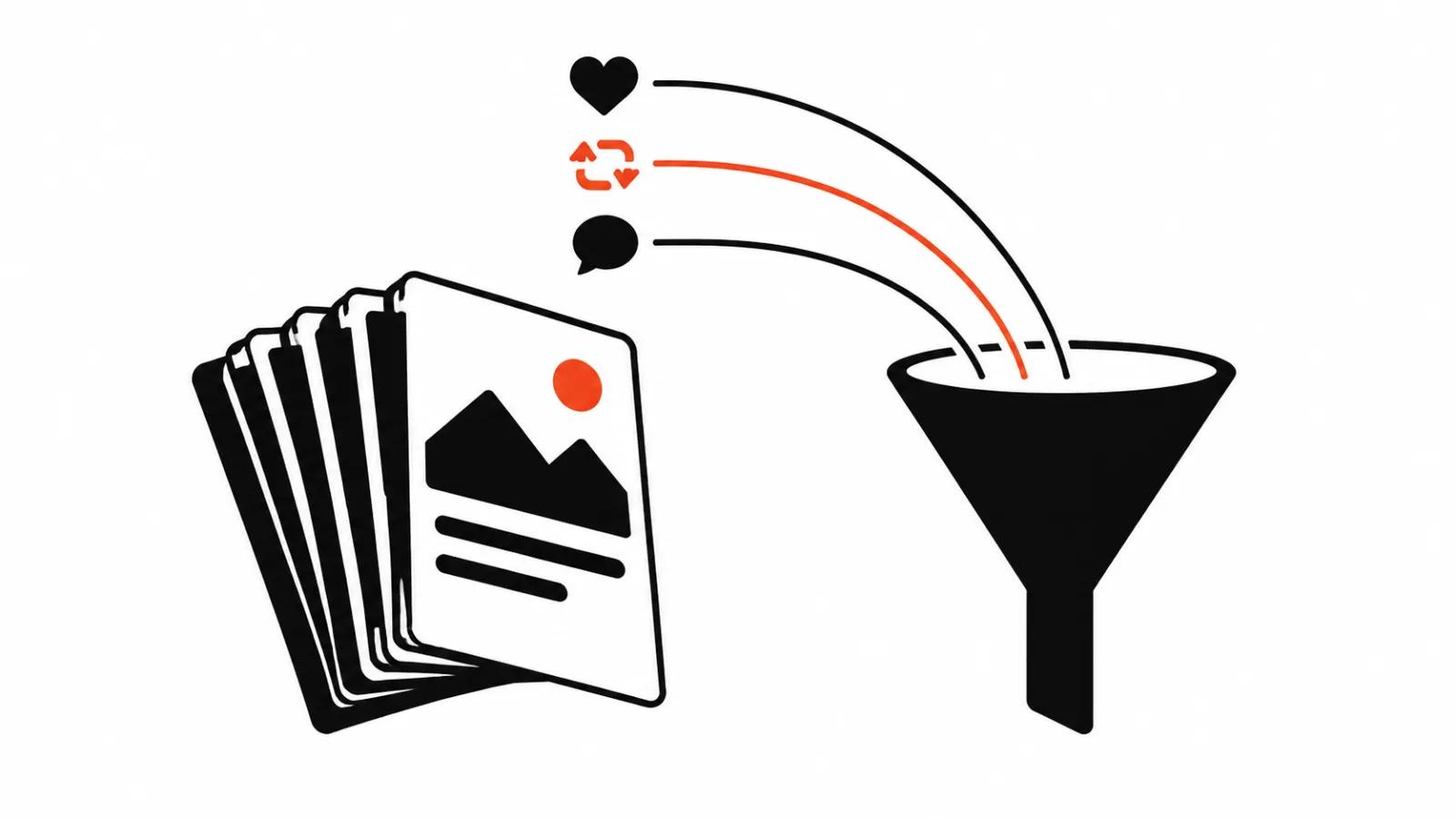
The main formats of UGC video
Each format does a different job. A testimonial removes suspicion, an unboxing shows what is in the box, a before-and-after answers the buyer's main question, a comparison helps someone choose inside a category.
Most of these stopped being shot one at a time: mass vertical videos are produced in batches so hooks can be tested, mass posting spreads the variants across accounts and regions without them reading as duplicates, and AI video production covers much of what used to require a shoot day.
- Testimonial: someone explains what they bought and how they use it.
- Unboxing: hands, box, the first contact with the product.
- Before and after: the result on screen, no motion graphics.
- Comparison: two products side by side and an honest pick.
- Story format: vertical, shot on the move, with captions.
- Reply to a question: the clip answers one specific objection.
- Usage diary: several days with the product, cut down.
How UGC differs from brand advertising
Brand advertising has one voice — the company's. It promises, it shows the product in perfect light, and it speaks the language of positioning. UGC speaks in the voice of someone who already paid and can afford to say "it's fine, but the packaging is awkward."
That changes production. An ad needs a script, staging, lighting, editing and sign-offs — its own budget and its own timeline. UGC is shot on a phone, cut in an app, and sits in the feed next to other people's everyday videos. That is exactly why it does not read as advertising even when it is.
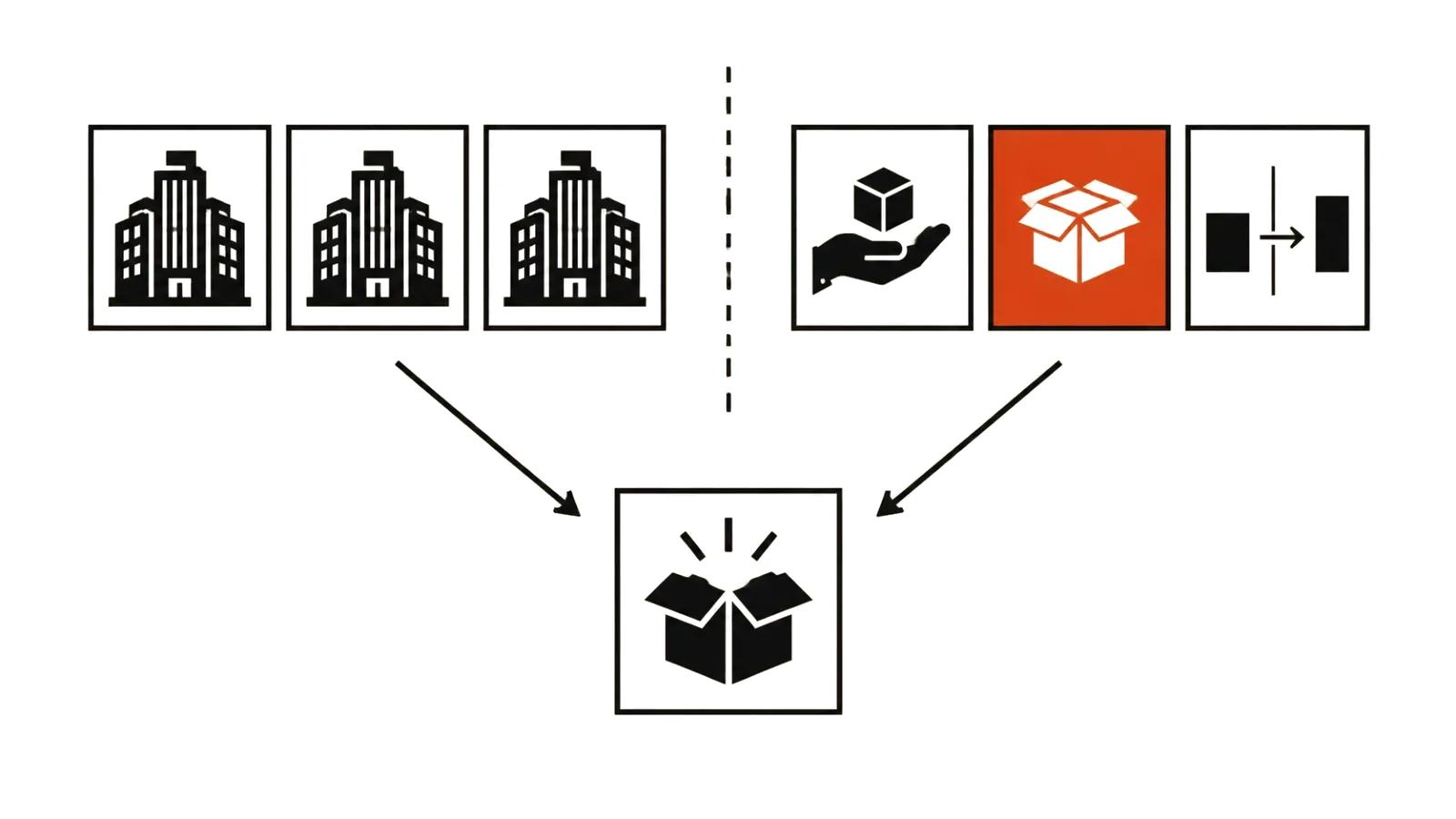
For a client the implication is that the two do not replace each other. Advertising sells the product; UGC removes the objection before purchase.
How UGC differs from influencer marketing
Influencer marketing is about reach and the author's reputation: a creator has an audience, and the brand buys access to it. UGC is about the asset itself. The author's audience may be small or nonexistent, because the clip goes into an ad account or a product page rather than a follower feed.
In practice the three work as a chain: influencer work brings people in, UGC convinces them on the product page, paid media catches whoever hesitated.
| Brand ad | Influencer | UGC | |
|---|---|---|---|
| On camera | actors or the product | a creator with an audience | a customer, or a creator playing one |
| Job | announce the product | borrow trust at scale | remove an objection |
| Where it lives | TV, pre-roll, display | the creator's feed | feed, product page, vertical ads |
| Production | a crew | a shoot at the creator's place | a phone and an editing app |
Where UGC video earns its money
Three placements pay back fastest.
Product pages on marketplaces: short unboxing and before-and-after clips answer questions people would otherwise type into chat. Feed and Reels: vertical framing where the first two seconds decide whether someone stays. Paid social: a UGC asset in an ad account often beats a studio spot precisely because it does not look like an ad — that is why vertical video ads perform.
Then volume starts to matter. One good UGC clip proves nothing: teams test in batches, ten to twenty hook variations per product, and keep whatever holds attention. That volume does not come from more shoot days. It comes from production: batching, versioning, and publishing discipline instead of one more camera.
How to shoot UGC that works
Shooting is the expensive part when it is done by hand, one clip at a time. That is where AI enters.
- A skeleton script, not a teleprompter. Three or four beats the person says in their own words: what it was like before, what they tried, what changed.
- The first two seconds. Open on the result or the conflict, not on "hey guys."
- Window light. Phone at eye level, no zoom, no gimbal arm in shot.
- First person, no ad adjectives. "Picked it up to try" beats "innovative formula."
- Captions. Most feed videos are watched with the sound off.
- One idea per clip. The second idea gets its own clip and becomes the next variant.
AI UGC: what it can do, and where the line sits
In AI video production, the model replaces most of what used to require a shoot day:
The line is about meaning, not image quality.
A generated person must not be passed off as a real customer who used the product — that is a forged testimonial, not a creative. Inventing a before-and-after that never happened, presenting someone else's result as your own, or writing reviews on customers' behalf crosses the same line. Where a platform or a brand agreement requires a disclosure that the clip is generated, it goes on the clip.
The workable setup is different: the brand supplies the product and truthful claims, the model supplies the storyteller and dozens of delivery variants, and every promise on screen stays identical to the product description.
- characters: different people for different audiences, without casting creators for every test;
- hook variants: one script becomes ten different opening two seconds;
- voice: a tone that fits the niche, with several timbres to test;
- versions for formats and languages without reshooting.
Ordering UGC work
Two routes, and the choice depends on the job.
Volume: UGC-format clips in batches, across products and audiences, with hook variations. Priced per view, from $2.47 CPM (per 1,000 views). Craft: the key creatives that set the tone for a campaign — handcrafted videos from $394 per video up to 90 seconds, about a week of turnaround.
A brief checklist that saves a round of revisions:
- the product and its real properties, without marketing rounding;
- who the character is: age, manner of speech, situation;
- the objection the clip has to remove;
- three options for the opening frame;
- where the clip will live: product page, feed, ad account;
- what must not be shown or promised.