1. Images right inside Copilot
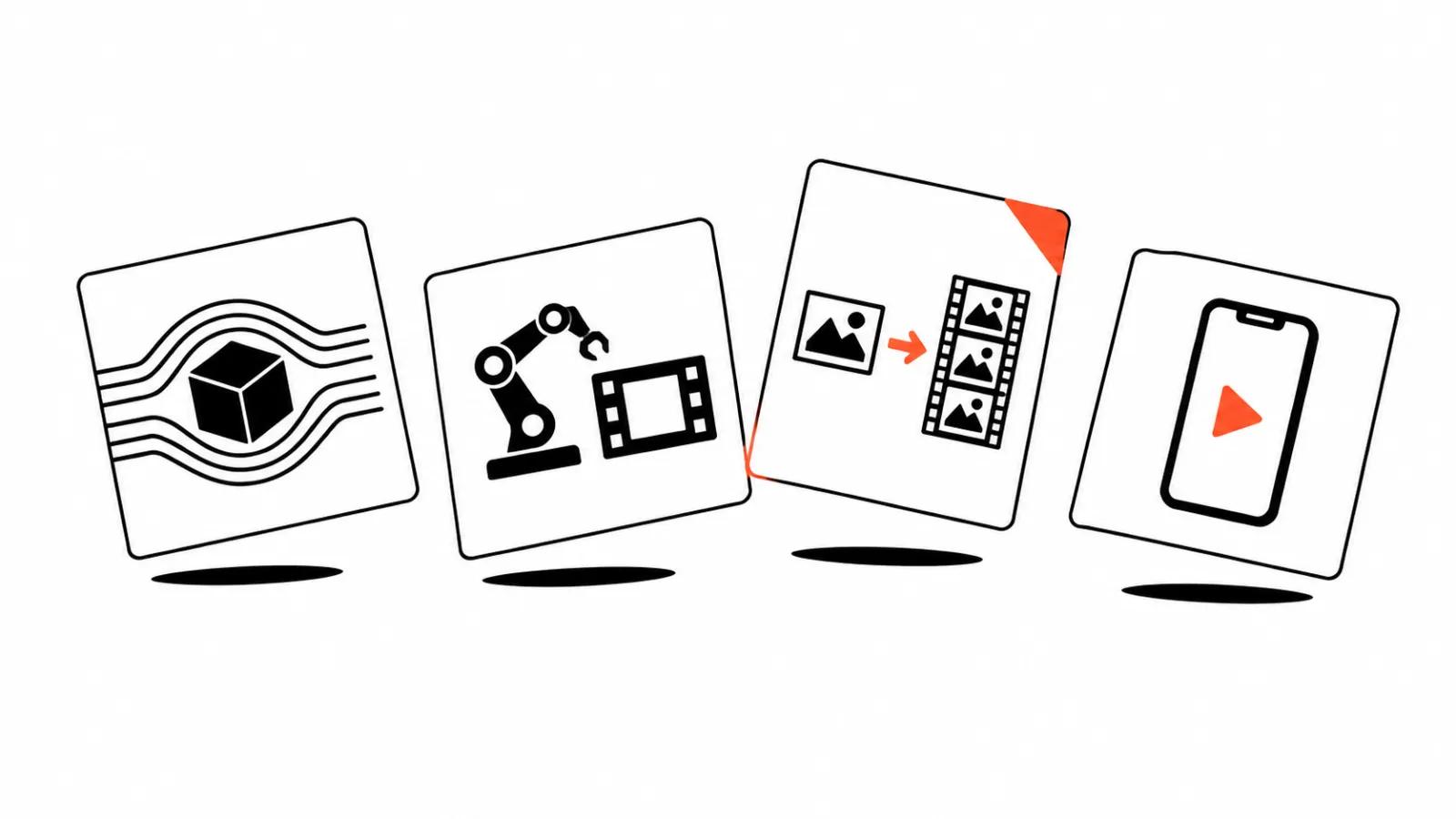
GitHub shipped an update to Copilot: you can generate and edit an image with plain language in the chat, without switching to a separate tool. According to the changelog dated October 28, 2026, the selected reasoning model calls a dedicated image generation tool powered by GPT Image 2.5 Flare, previews the result inline and saves it to your project.
The public preview is open to Copilot Pro, Pro+, Business and Enterprise. It is billed separately from chat, counted in image tokens that draw on the plan's AI credits. An optional Made with AI watermark can be switched on and is off by default. Organisation owners can turn image generation off in the model settings.
Why it matters: the image stops being a task for a separate person with a separate subscription. A developer gets an illustration, an icon or a placeholder inside the same window where the code lives, and the draft arrives faster.
For video work there is a signal too: covers and thumbnails can start in the working tool and go to a designer for the final pass.
2. A voice that stays yours
ElevenLabs announced a partnership with adELA, Spain's leading association for people living with ALS. By the company's description this is the first Spanish initiative under its Impact programme, and Spain is the first country where the technology is available through a national patient association.
The mechanics are simple. A person diagnosed with ALS can record new voice samples while speech is still close to normal, or upload older recordings if the changes have already started. Those samples become a digital version of the voice that can be used with family, friends and at work.
The post cites an estimate that around 4 000 to 4 500 people in Spain live with ALS, and for many of them speech will be lost. The association has worked with these patients for more than 30 years.
Why it matters: this is a case where a generative voice solves something that has nothing to do with marketing. The person keeps the ability to teach, to talk and to sound like themselves on a recording.
For the content market there is a second read. Speech synthesis stops being a novelty with someone else's voice and becomes a medical instrument, which brings a different standard for consent and for storing samples.
3. An ad in 45 seconds
ElevenLabs published a case study from a fintech platform for solo businesses. Its growth team connected Ads Engine in ElevenCreative to the ad account and now produces new versions of an ad from a prompt in about 45 seconds. Before that the cycle was a brief, a creative director, revisions and a finished spot. The head of performance marketing says it took him over a week, and at larger companies he has seen a month.
The company states its own numbers: creative costs about 75% lower, cost per lead 40% to 60% lower compared with other creative running in similar periods. These are the client's estimates, with no independent measurement behind them.
Two more details from the case. The best performing ad came from somewhere between the 15th and 20th iteration of the original asset. And sign-off by the creative director and a performance marketer remains the only step between an idea and a live ad.
Why it matters: the unit of work changes. Teams used to plan in campaigns and weeks, and now they plan in versions and minutes, which is closer to how AI video ads actually run in feeds.
For a client the conclusion is practical. If you already have a working spot, the next step is a dozen variants of the opening frame and the caption. A new shoot can wait for the test results.
What the three have in common
In all three stories the model sits inside someone else's tool. In Copilot it is behind the chat, at the association it is behind an application form, in the fintech team it is wired to the ad account. Nobody learns a new interface.
The second shared point is the price of a step. An image costs tokens, a variant costs 45 seconds, a voice recording costs one conversation with a clinician. The cheaper the step, the more attempts a team allows itself.
The third is that a human signature stays in place. A creative director approves the ad, the organisation approves the application, the developer looks at the image before committing.
Where the risk sits
The first risk is provenance. In Copilot the watermark is off by default, convenient for a draft and risky for paid media, so advertising needs it handled in process.
The second risk is numbers. The ad case rests on the client's estimates, with no independent measurement. Moving a 75% saving onto your own budget only works after your own test.
The third risk is context. Medical programmes carry their own consent standard, and that experience does not transfer to a corporate project.
What to take from it
First, keep image generation next to production. Covers, thumbnails and storyboards get cheaper when the tool sits in the window you already use.
Second, move from campaigns to versions. When one iteration costs a minute, a weekly plan changes: a hundred variants stop being a fantasy, while handcrafted videos stay for what cannot be assembled from parts.
Third, check how provenance is handled in your stack. Advertising and social channels have different requirements, and the default setting is almost always the loosest.
Fourth, keep voice technology in mind beyond voiceover. Restoration and synthesis already work in medicine, and that experience will reach corporate projects sooner or later.
Video versioning fits the same logic. Covers and thumbnails stop being the bottleneck, and the time goes into the script and into choosing which ideas deserve a test.
The bottom line
Three stories from different fields add up to one picture. Tools move closer to the workspace, the cost of a version falls, and the technology leaves marketing behind.
My advice for this week: count how many versions your current setup ships per day, then check which of these three stories removes a step. Usually one is worth deleting first.