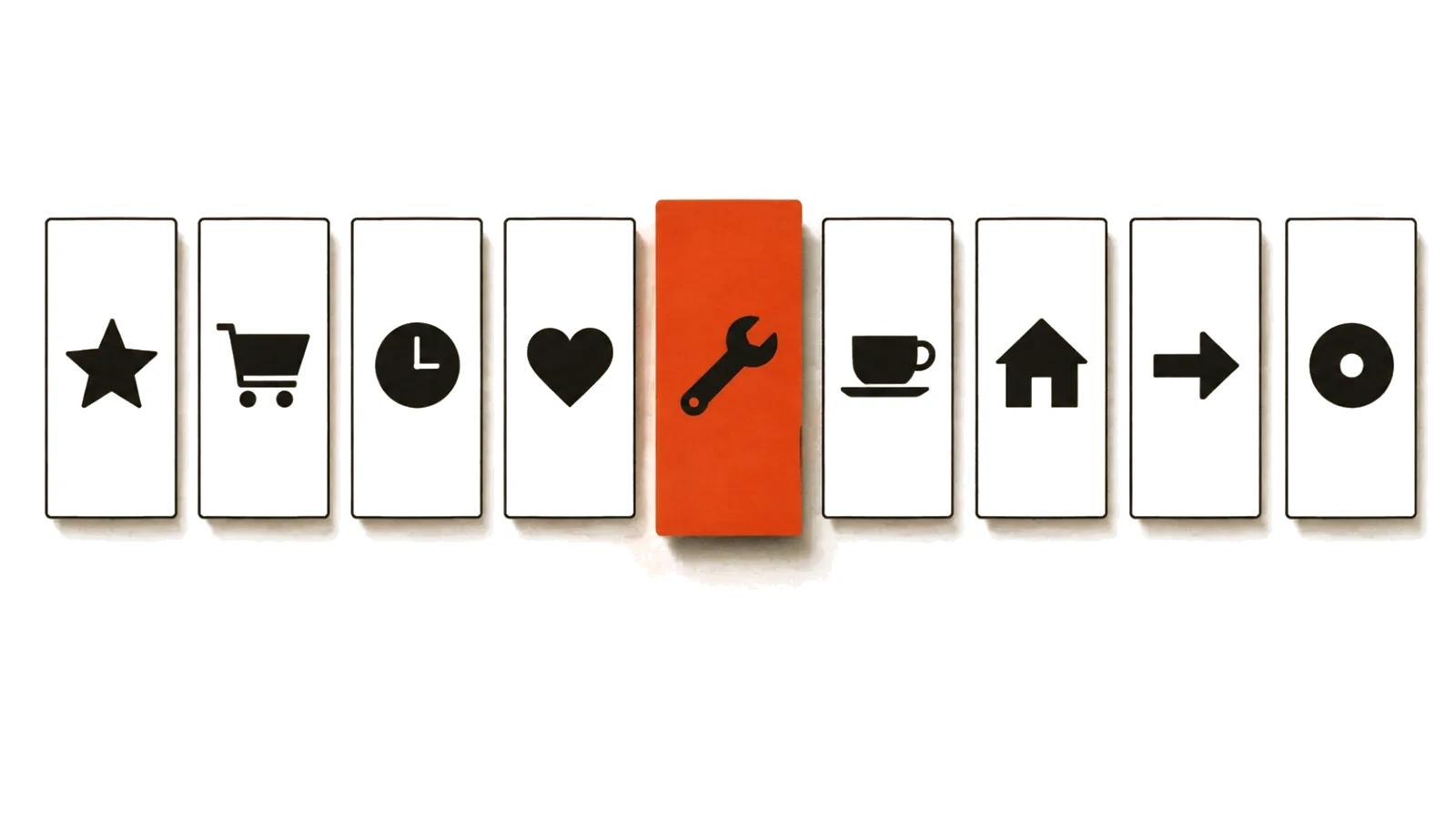
Why ideas run out at clip three
The first clips are almost always about the company: we opened, we bought new equipment, our founder says hello. That is an announcement.
Nobody in the feed is looking for a company. They are solving their own problem: choosing, comparing, afraid of getting it wrong, looking for proof that they will not be oversold.
Ideas run out when the list is built from facts about the business. They do not run out when the list is built from customer questions. Here are nine scripts in that second logic.
Nine scripts by niche
Each one fits 15 to 40 seconds and shoots on a phone.
The rule behind all nine: one clip answers one question. The moment a script holds a second question, the clip falls apart.
- Salon: "what I say to my stylist when I do not know what I want." One request shown on three hair types. The viewer recognises themselves in the first second.
- Dental clinic: "why it does not hurt, explained simply." The frame holds the steps: what happens, how long it takes, what you feel. The patient stays off camera.
- Renovation: "three bathroom mistakes you only see a year later." Show the defect, explain the cause in one line.
- Cafe: "what I eat in the kitchen when the shift ends." Not a dish ad, an honest staff choice.
- Auto shop: "how to spot an upsell." A list of signals, without accusing competitors.
- Legal services: "one document to check before you sign." One thought, one example, no free advice on camera.
- Fitness: "the exercise I never give beginners." Show the mistake and the safe alternative.
- Furniture: "how to measure a room so you do not return the sofa." A tape measure in frame, real numbers.
- B2B services: "what I check about a contractor before paying." A checklist people save.
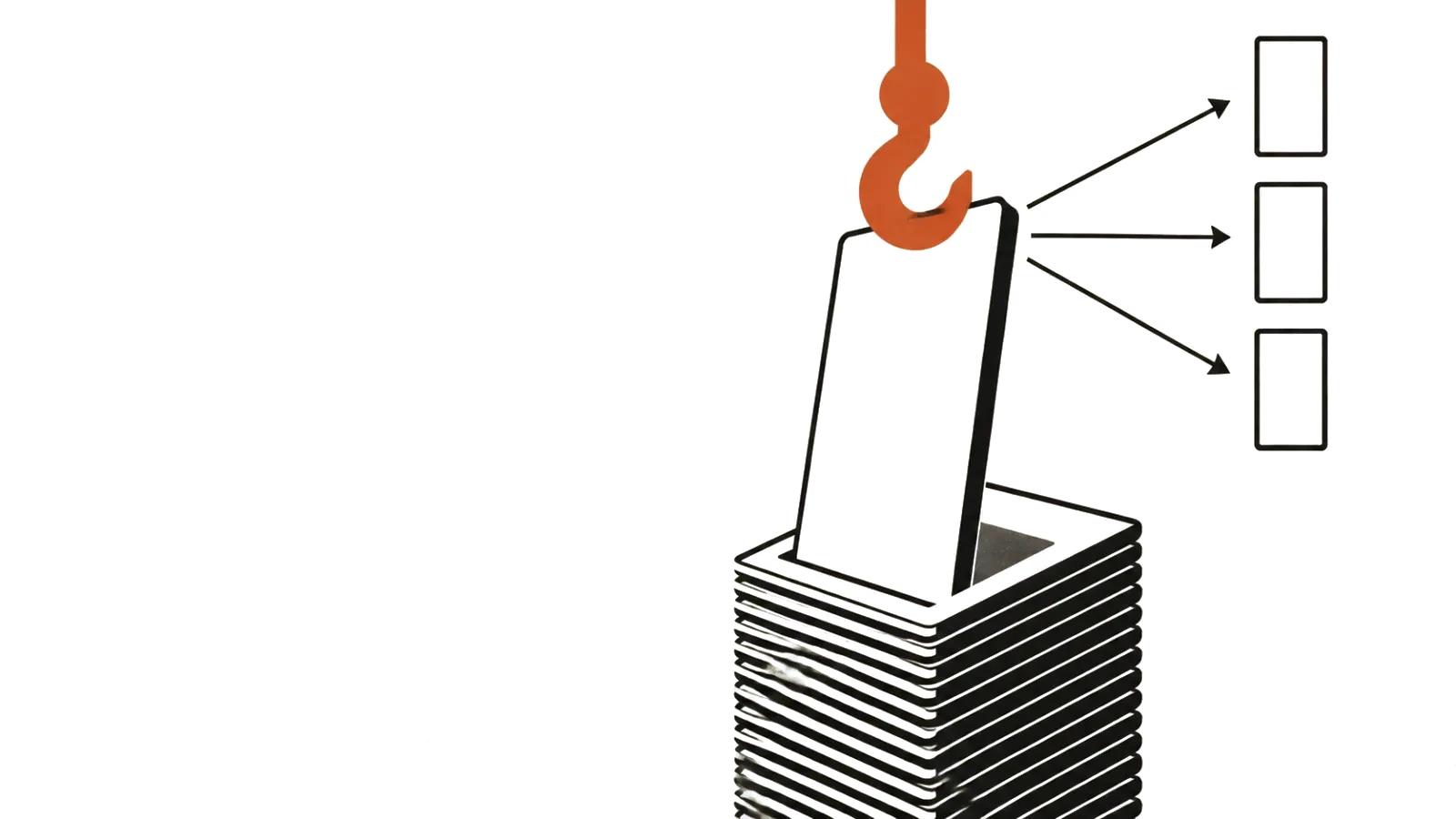
Test an idea before you shoot
The check takes five minutes and saves a day.
Say the idea out loud as: "this clip is for someone who right now is..." If the sentence ends with "doing nothing, just scrolling", the idea is weak.
Then three questions.
If any answer is no, it is too early to shoot. An idea is not yet a script.
- Is there a conflict or a promise in the first three seconds.
- Is there proof: a shot, a number, a document, a result.
- Is it clear what to do next: come in, message, save.
Formats that need no camera
Some ideas skip filming entirely, and that saves the schedule.
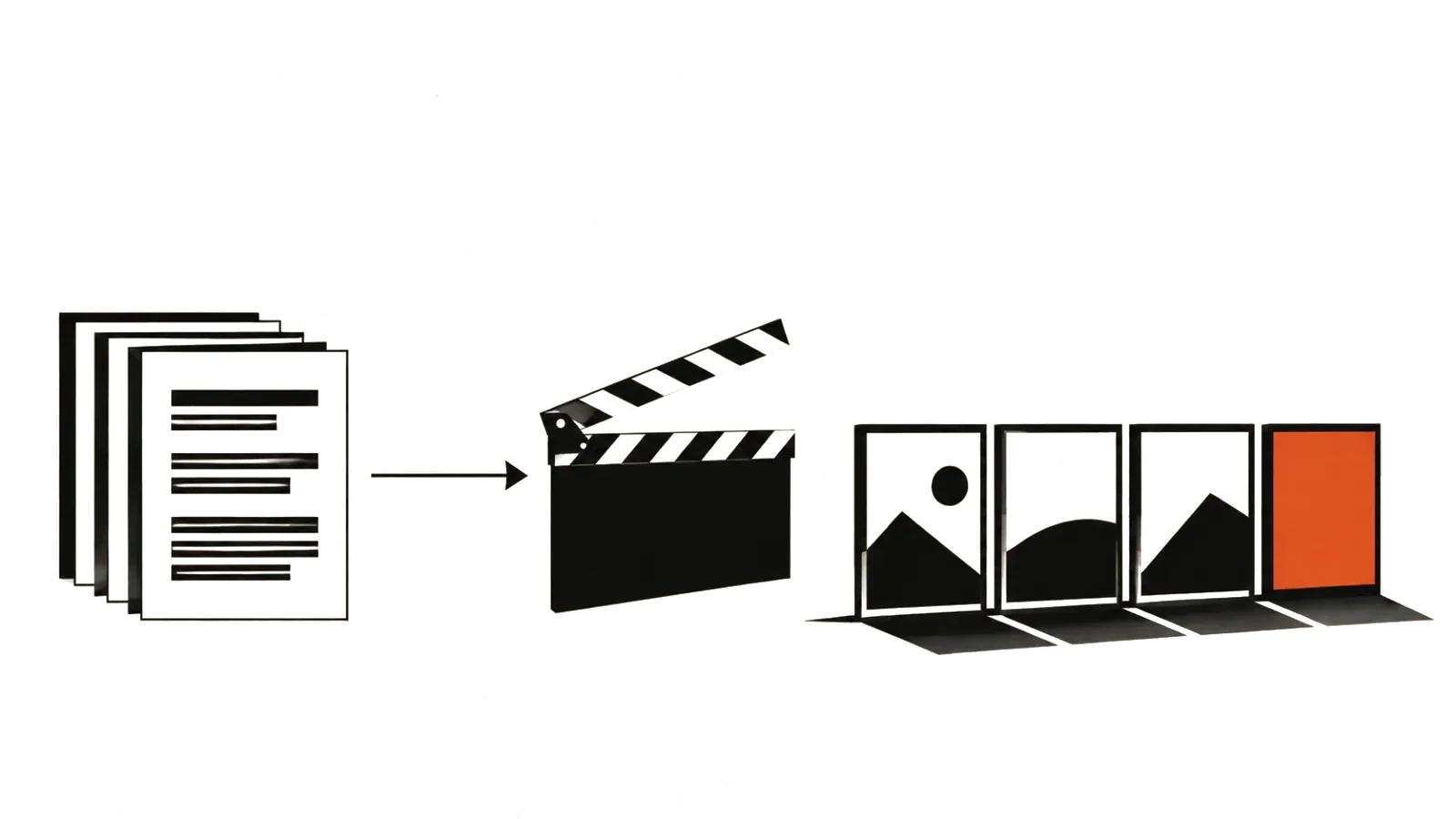
Screen recording: walking through an account, a document, an app. Before and after: photos of the result, no face. Text on a background: one line and silence, if the line is strong. A screenshot of a review with your reply: a breakdown of feedback.
These are easier to scale, since they can be rebuilt for another city, another service, another audience.
How many clips before you know an idea works
Here I am against magic numbers. There is no universal figure, and anyone who gives you one is selling a course.
A sane approach: test one idea with a series of clips that differ in the opening frame. If retention drops at second two every time, the hook is the problem. If it drops in the middle, pacing is. If people watch but nobody messages, the closing action is.
You end up with a specific fault instead of a verdict.
When ideas are plenty and hands are few
This is where production takes over, and a different view of content helps.
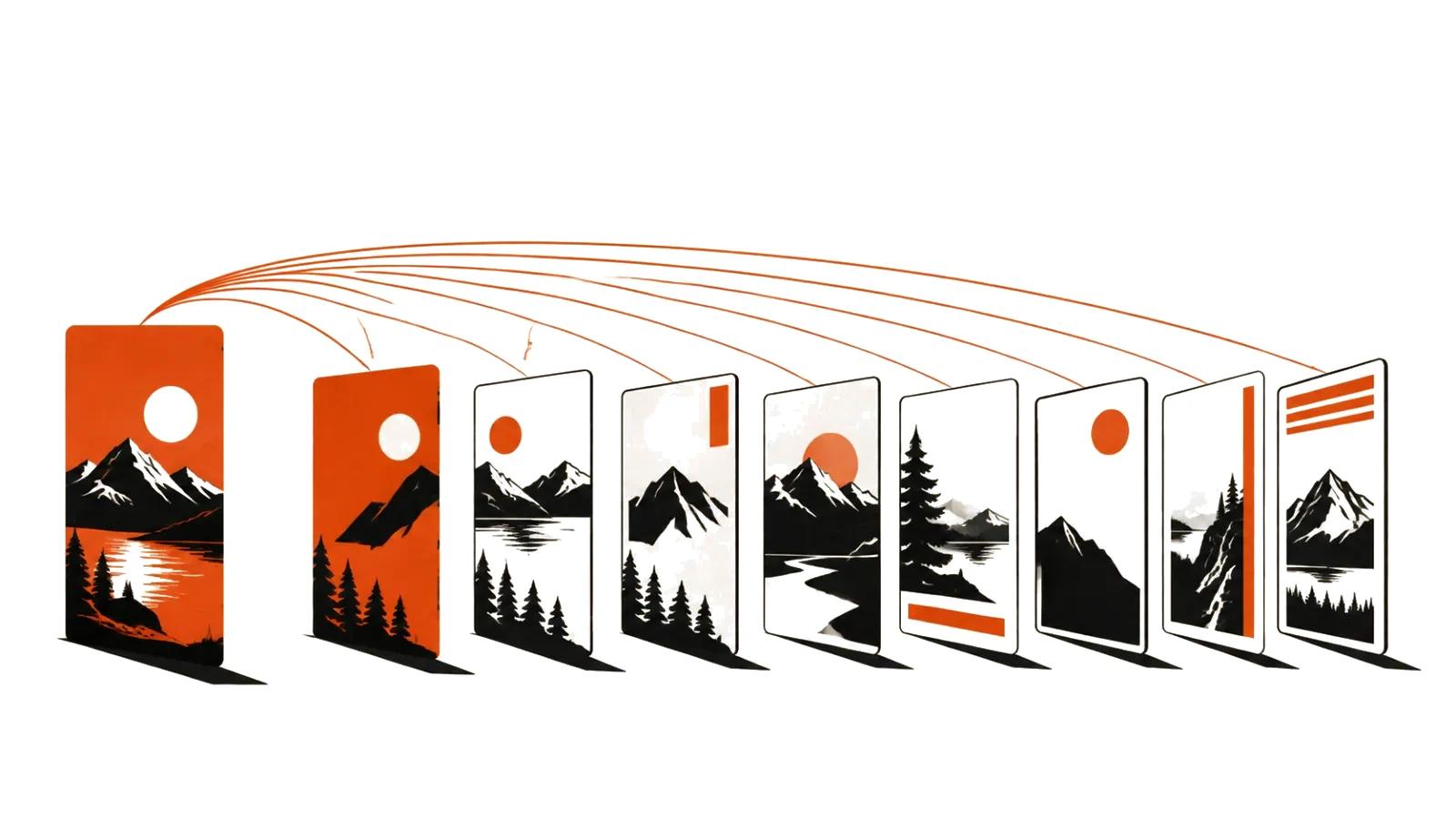
First, keep the ideas that do not demand a unique shoot every time, and turn them into mass vertical videos: one structure, different products, different cities. That buys the consistency a feed needs.
Then add mass posting: one idea travels across several accounts and platforms in different versions. The trap is publishing identical files, which flattens reach.
Third, video uniquification: rebuilding one source into platform-specific versions that differ in framing, scene order and captions. Without it, volume turns into duplicates fast.
A separate case is vertical video ads. The same ideas work there, with a different opening frame and a different ending. An ad is almost always simpler than a content clip.